For the longest time, I avoided sunscreen. Not because I didn’t know better, but because every formula I tried left my already oily, breakout-prone skin looking like I had been sitting in a sauna. Heavy, greasy, and by midday? A guaranteed new breakout somewhere along my jawline.
Finding the best sunscreen for hormonal acne that works on oily skin without causing new breakouts is genuinely not easy. I tested a lot of sunscreens. A lot. And I finally narrowed it down to three that do exactly that, without the grease, without the breakouts, and without the midday shine that makes you want to wash your face by noon. These are the ones I would actually recommend to a friend standing in front of the skincare aisle looking completely overwhelmed.
Why Some Sunscreens Make Hormonal Acne Worse
If sunscreen has ever broken you out, it probably was not just bad luck. Certain ingredients in conventional sunscreens are genuinely problematic for hormonally reactive skin, and once you know what to look for, the whole thing makes a lot more sense.
The biggest issue is that some chemical sunscreen filters, particularly oxybenzone and octinoxate, are absorbed into the skin and have been shown in research to interfere with hormone levels. For skin that is already dealing with hormonal fluctuations, that is the last thing you need sitting on your face all day.
Then there is the texture problem. Many sunscreens contain heavy emollients, coconut oil, or thick silicones that sit in your pores like a traffic jam. Add a little heat and oiliness to the mix, and you have the perfect environment for a breakout to form.
Fragrance is another common culprit. It triggers inflammation in reactive skin, and inflammation is exactly what turns a hormonal fluctuation into a full breakout.
The good news? None of this means sunscreen is off the table. It just means the formula matters far more than most people realise.
👁️ Skin Insight
Research has shown that oxybenzone, one of the most commonly used chemical sunscreen filters, can act as an endocrine disruptor, meaning it may interfere with the same hormonal pathways that are already driving your breakouts. If you have hormonal acne and your sunscreen contains oxybenzone, that is worth paying attention to.
What to Avoid on the Label
Knowing what to skip is half the battle. When you are shopping for a sunscreen for hormonal acne, put it back if you see any of these:
Oxybenzone and octinoxate
The two chemical filters most associated with hormone disruption. Oxybenzone-free is now something worth actively looking for on the label.
Coconut oil
Deeply comedogenic, meaning it is highly likely to block pores. It shows up in a surprising number of so-called natural sunscreens.
Heavy silicones
Dimethicone in small amounts is fine, but thick silicone-heavy formulas can trap oil and debris under the skin.
Fragrance and essential oils
Both can cause inflammation in sensitive, reactive skin. Fragrance-free is non-negotiable for this skin type.
Thick, cream-based textures
If a sunscreen feels like a rich moisturiser, it is probably too occlusive for oily or acne-prone skin.
What to Look for Instead
The right sunscreen for hormonal acne does not just avoid the bad stuff. It actively supports your skin.
Zinc oxide
A mineral filter that sits on top of the skin rather than being absorbed. It is also naturally anti-inflammatory, which is a genuine bonus for acne-prone skin.
Niacinamide
Calms redness, controls oil production, and helps fade the post-acne marks that hormonal breakouts leave behind.
Azelaic acid
Rare in sunscreens, but when you find it, it is doing double duty: protecting your skin while actively reducing breakouts and redness at the same time.
Non-comedogenic, oil-free, fragrance-free
These three labels together are your baseline. Start there and work outward.
🧠 WORTH KNOWING
SPF 50 blocks around 98% of UVB rays. SPF 30 blocks around 97%. That one percent difference sounds small, but over months of daily use on skin that is already dealing with post-inflammatory hyperpigmentation from breakouts, it genuinely adds up. Go for SPF 50 whenever you can.
This section contains affiliate links. As an Amazon Associate, I earn from qualifying purchases. If you purchase through one of these links, I may earn a commission at no additional cost to you. Learn more in Affiliate Disclosure.
Top 3 Sunscreens for Hormonal Acne
These are the three I tested, researched, and kept coming back to as the best sunscreen picks for hormonal acne. All three are oxybenzone-free, non-comedogenic, and fragrance-free. None of them will leave your face looking like you have been deep-fried.
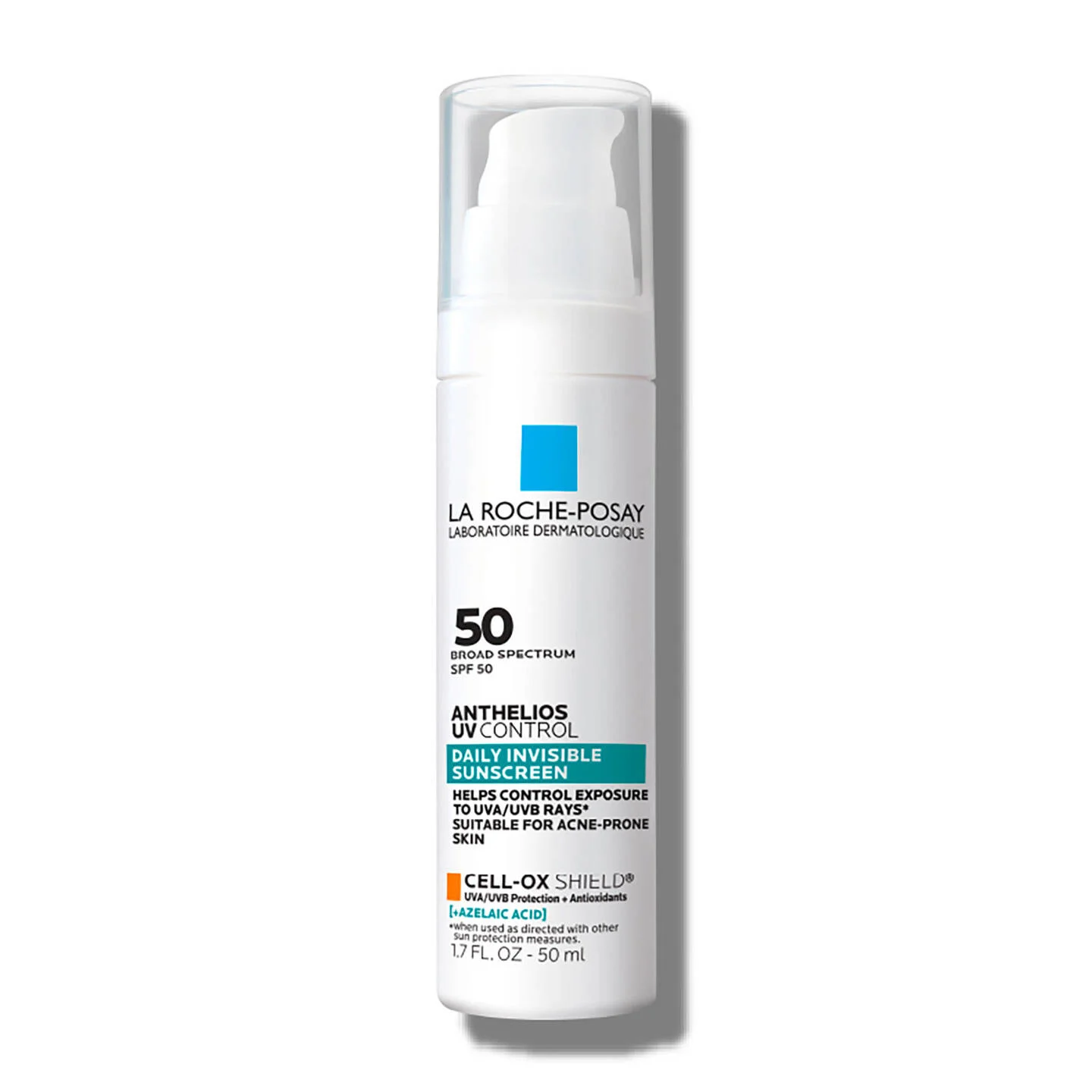
La Roche-Posay Anthelios UV Clear SPF 50
Best for
Key Ingredients
La Roche-Posay didn’t just make this safe for acne-prone skin. They built it around it. It settles to a satin-matte finish in under 90 seconds, disappears completely under makeup, and the azelaic acid quietly gets to work calming redness and reducing breakouts while you go about your day. Reviewers describe it as feeling more like a hydrating serum than a sunscreen, the kind you actually want to put on in the morning.
What I love:
Completely free of oxybenzone and octinoxate, the two filters most likely to interfere with hormones. For skin that is already hormonally reactive, that matters more than most people realise.
Worth knowing:
Chemical rather than mineral filters. Fragrance-free, non-comedogenic, and extensively dermatologist tested.
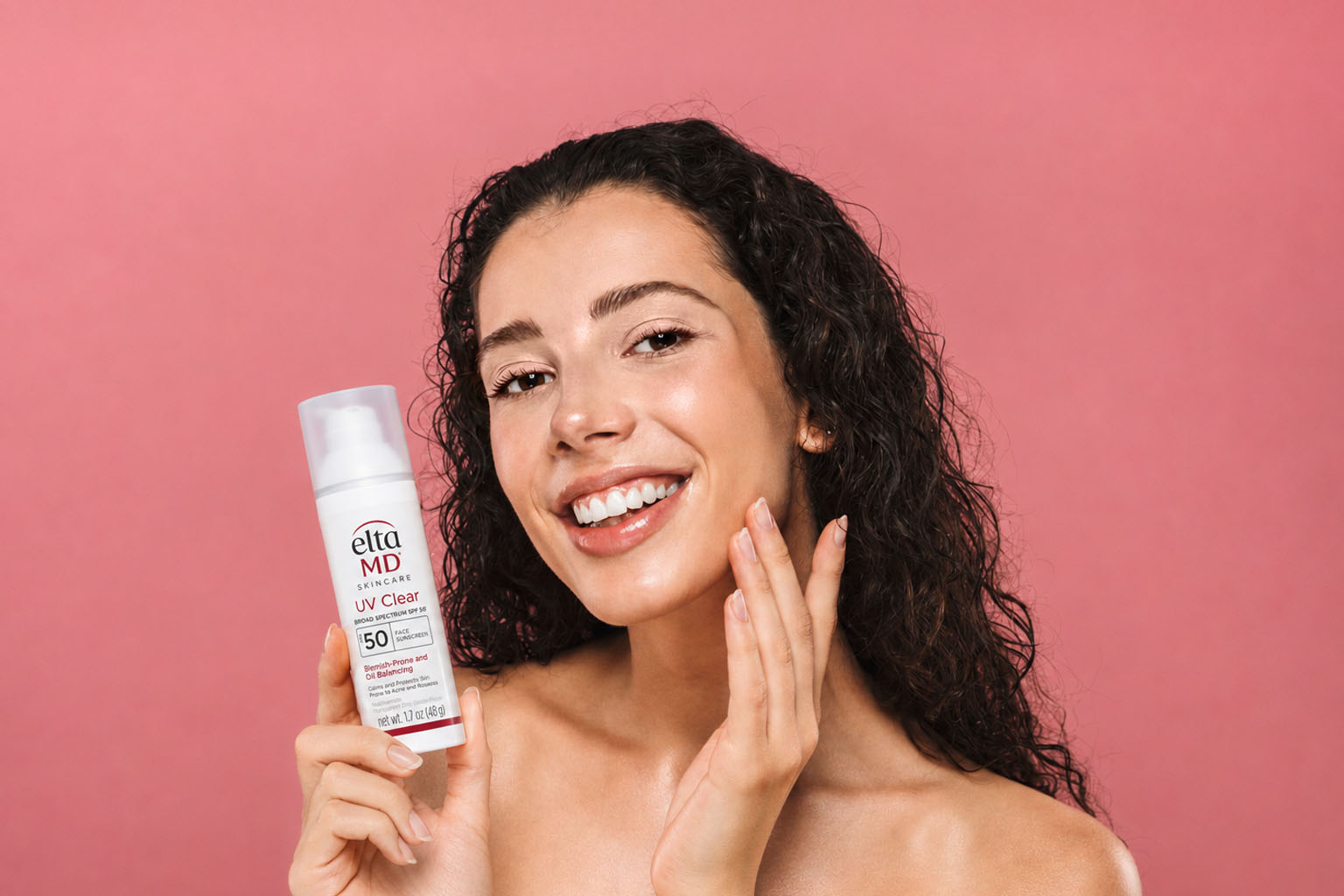
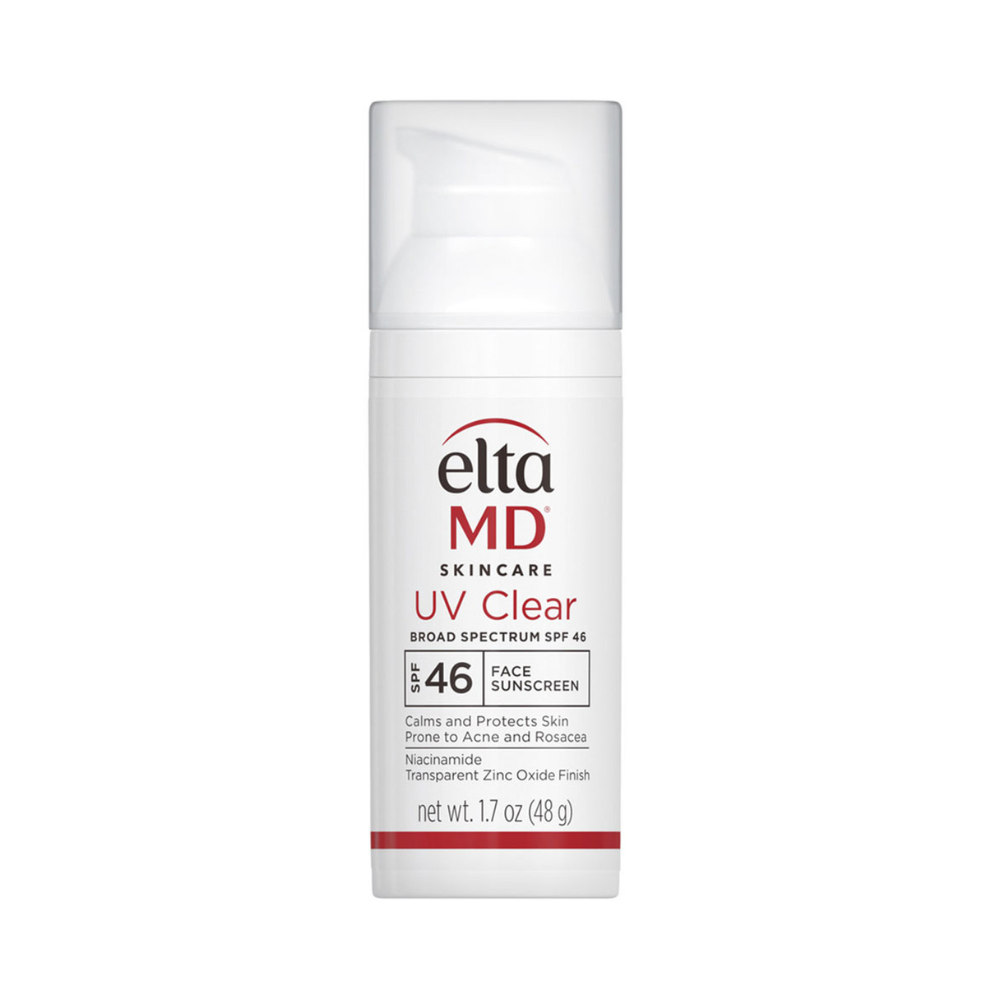
EltaMD UV Clear Blemish-Prone and Oil Balancing SPF 50
Best for
Key Ingredients
EltaMD is already the number one dermatologist-recommended sunscreen brand in the US, and this newest addition to the UV Clear family might be their best formula yet for hormonal acne specifically. It goes beyond protection: the niacinamide and zinc oxide actively work to balance oil, reduce the appearance of pores, and calm the persistent redness that follows a hormonal breakout. It absorbs with a completely transparent finish, no white cast, no residue, and sits under makeup as if it was never there. For oily, acne-prone skin that has been burned by sunscreen before, this is the one to try.
What I love:
It does not just protect your skin from the sun. It is working on your breakouts at the same time. That combination is rare and genuinely useful for skin that is managing a lot at once.
Worth knowing:
New to market in 2026, so fewer long-term reviews than the original UV Clear. But early responses from dermatologists and beauty editors have been exceptional, and EltaMD’s track record speaks for itself.
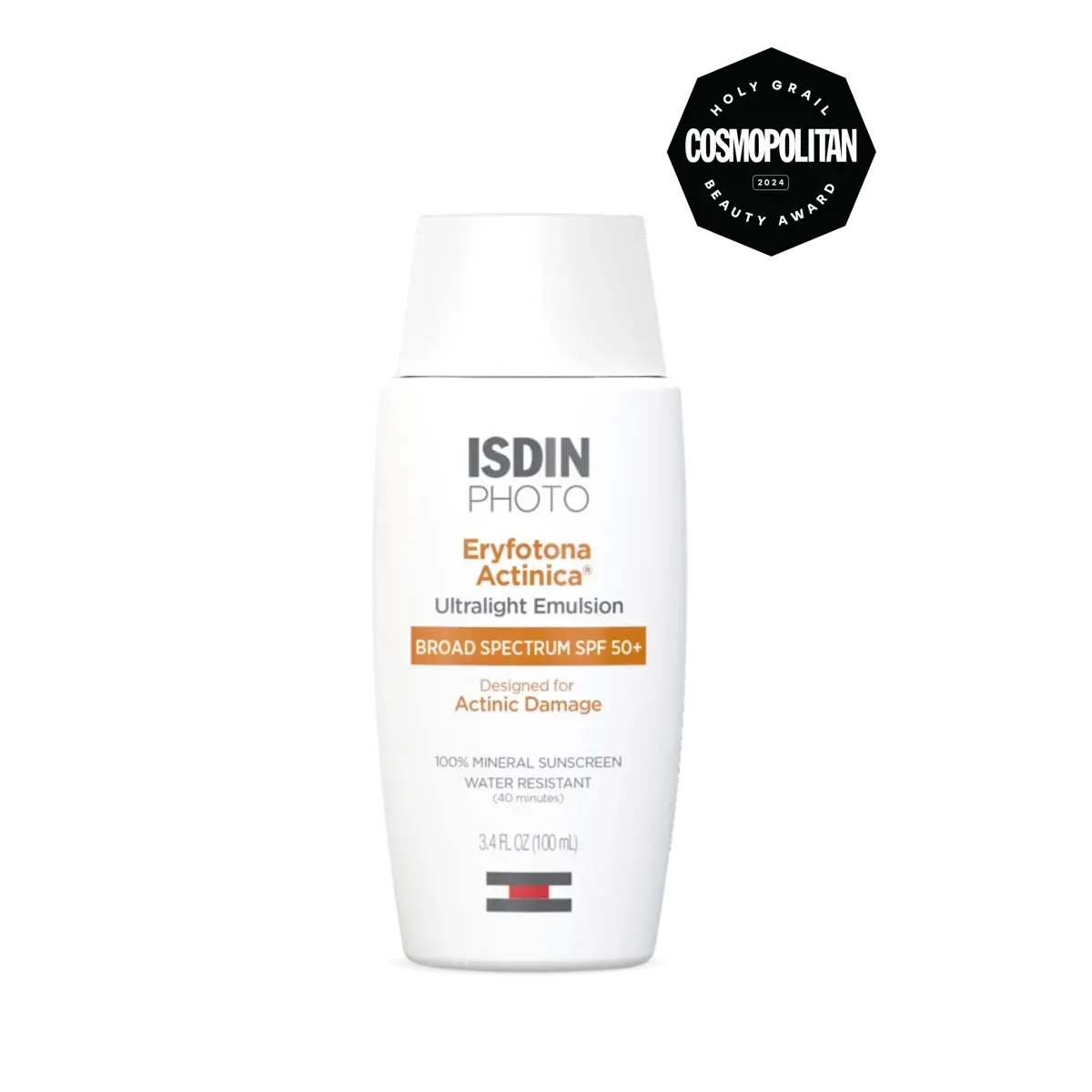
ISDIN Eryfotona Actinica SPF 50+
Best for
Key Ingredients
Most mineral sunscreens feel like you have applied wet chalk to your face. This one lands like water. The texture is genuinely unlike anything else in the mineral SPF category: featherweight, almost fluid, and invisible within seconds of applying. Dermatologists keep recommending it not just for what it protects against, but for what it actively does, including DNA repair enzymes that help address existing sun damage. Reviewers who describe themselves as having given up on mineral SPF entirely find themselves reaching for this one every morning.
What I love:
100% mineral filters, zero oxybenzone, zero octinoxate, zero fragrance. For hormonally sensitive skin that wants mineral protection without the white cast or the weight, this is the one.
Worth knowing:
On the premium end of the price range, but a little goes a long way. One bottle typically lasts around two months with daily use.
How to Use Sunscreen When You Have Hormonal Acne
Finding the right sunscreen is only half of it. How you use it matters just as much.
Apply it last
Sunscreen goes on as the final step of your morning skincare routine, after your moisturiser and before makeup. Layering it underneath other products reduces its effectiveness.
Use enough
Most people use far less sunscreen than they actually need. For your face and neck, you want around a teaspoon, which is more than it sounds. A thin layer is not doing the job you think it is.
Reapply
If you are spending time outdoors, reapply every two hours. If you are mostly indoors, a morning application is usually enough, but a midday refresh is still a smart habit.
Give it time to activate
Chemical sunscreens like La Roche-Posay UV Clear need around 15 minutes to activate before sun exposure. Apply before you leave the house, not as you are walking out the door.
Do not skip it on treatment days
If you are using retinol, azelaic acid, or any exfoliating acids, your skin is more sensitive to UV than usual. SPF is not optional on those days. It is more important than ever.
The Right SPF Changes Everything
Finding the best sunscreen for hormonal acne that your skin actually tolerates can feel like it takes forever. But once you have it, it becomes the step that holds everything else together. Your treatments work better. Your dark spots fade faster. Your skin stops fighting itself every morning.
If you have been using sunscreen for hormonal acne and still breaking out, the formula is almost certainly the problem, not SPF itself. These three are genuinely worth trying.
And if you are ready to go deeper, the guide to tinted sunscreens for hormonal acne covers everything you need if you want a little coverage alongside your protection. Or if dark spots from past breakouts are your main concern, the best SPF for dark spots guide has you covered there too.
Your skin is doing its best. Give it an SPF that does the same.