Here is a question I kept asking myself before I actually looked into it: do I really need hyaluronic acid? It is in every serum, every moisturizer, every ad, and suddenly everyone is talking about it like it is the one thing standing between you and good skin. So is it genuinely worth adding to your routine, or is it just very good marketing?
The honest answer turned out to be more interesting than I expected. Hyaluronic acid is worth it for most people, but probably not in the way you think, and there is a real chance you are already using it without realising. Let’s get into it.
Best Hyaluronic Acid Products (Quick View)
Best Serum
Best Moisturiser
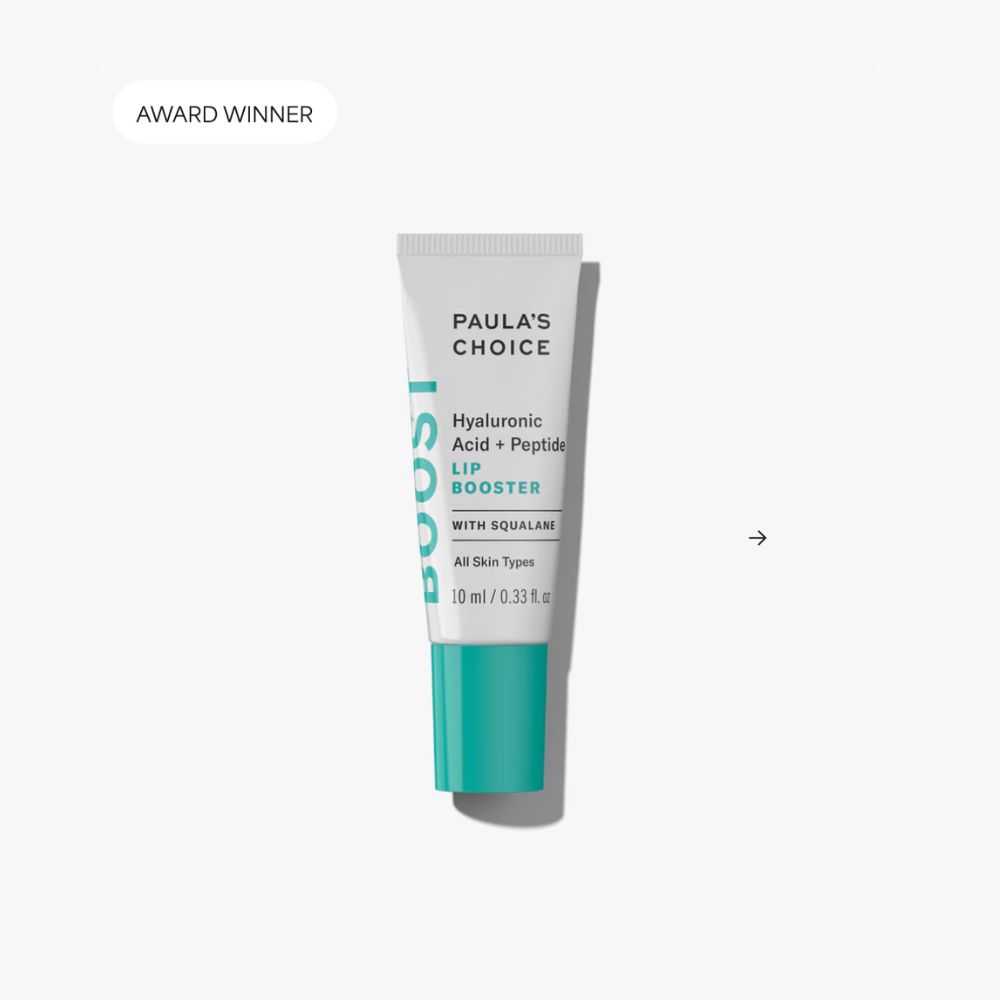
Best LIP BOOSTER
What Does Hyaluronic Acid Actually Do for Your Skin?
Despite the name, hyaluronic acid is not an exfoliating acid like glycolic or salicylic. It will not strip or peel anything. It is a substance your body already makes, naturally found in your skin, your joints and your eyes, where its whole job is to hold onto water and keep everything hydrated and cushioned.
In your skin specifically, it acts like a sponge. A single molecule of hyaluronic acid can hold up to 1,000 times its weight in water. That is what gives skin that soft, plump, bouncy quality. The catch is that your body produces less of it as you age, which is exactly why it starts showing up in more and more of the products marketed to us in our 30s.
So when you apply it topically, you are essentially topping up something your skin is naturally starting to run low on.
Wait, Is This Even New? Why Is Everyone Suddenly Talking About It?
This was my actual question, and the answer is genuinely surprising: hyaluronic acid is not new at all. According to the Cleveland Clinic, it has been used in medicine for years, in everything from eye drops to joint injections to wound healing, long before it ever made it into a serum bottle.
So why the sudden hype? A few things happened at once. The rise of injectable fillers (which are often hyaluronic acid based) put the ingredient in the spotlight. The science-backed skincare movement gave people a reason to trust it. And brands realised it is gentle, affordable, works for nearly every skin type, and does not clog pores. The result was an ingredient that quietly ended up in almost everything.
👁️ Skin Insight
Hyaluronic acid is not exclusive to humans. It occurs naturally in animals, certain bacteria and even some types of algae. Most of the hyaluronic acid in your skincare is actually made through a fermentation process using bacteria, not extracted from anything dramatic. The fancy name hides a pretty humble origin.
You Are Probably Already Using It
Here is the part that genuinely changed how I thought about this. Before you buy a dedicated hyaluronic acid product, go and read the labels of what you already own.
There is a very good chance it is already in your moisturizer, your serum, your eye cream, your sheet masks, even your lip balm. It has become such a standard hydrating ingredient that brands add it to almost everything. On the label it often appears as sodium hyaluronate, which is the more stable, better-absorbed form of the same thing.
So the real question is not always “should I add hyaluronic acid” but “am I already getting enough of it from my routine.” For a lot of people, the answer is yes, and a separate product is a nice boost rather than a necessity.
So, Do You Really Need Hyaluronic Acid? (By Skin Type)
This is where the honest answer lives. Hyaluronic acid is genuinely useful, but how much you need a dedicated product depends entirely on your skin.
Dry or mature skin
This is where it earns its reputation. If your skin feels tight, looks dull or flaky, or is starting to show fine lines from dehydration, a dedicated hyaluronic acid product is genuinely worth it. You are replacing what your skin is naturally losing.
Oily and combination skin
Yes, you still benefit, and here is why. Oily skin is very often dehydrated underneath. When skin lacks water it can overproduce oil to compensate. A lightweight hyaluronic acid adds water without adding grease, which over time can actually help balance things out.
Acne-prone and hormonal skin
Hyaluronic acid is non-comedogenic, so it will not clog pores or trigger breakouts. It is also one of the few hydrating ingredients gentle enough to use while you are also using stronger actives like retinol or acids, which tend to be drying. It is a genuine team player for this skin type.
Sensitive or reactive skin
It is one of the gentlest hydrating ingredients there is, with anti-inflammatory and soothing properties. Just choose a fragrance-free formula, since fragrance, not the hyaluronic acid itself, is usually what reactive skin reacts to.
The Mistake Almost Everyone Makes
Here is the thing nobody tells you, and it is the reason some people swear hyaluronic acid actually dried their skin out. This is not a myth, it is real, and it comes down to how you use it.
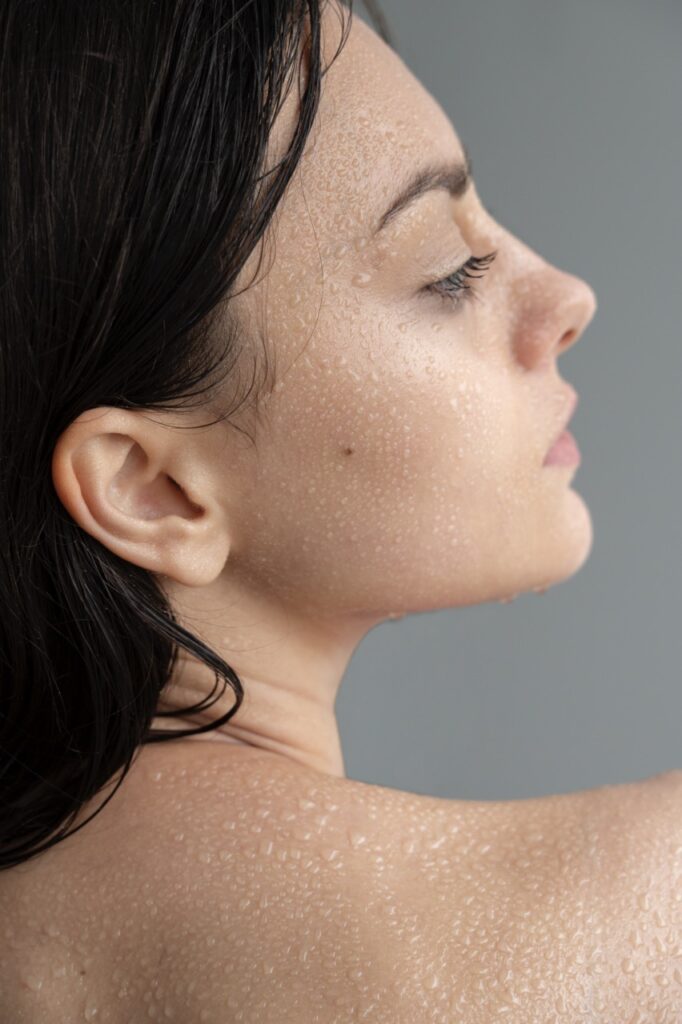
Hyaluronic acid is a humectant, which means it pulls water toward itself. Ideally it pulls that water from the air and from the products you layer on top. But if you apply it to bone-dry skin in a dry environment, with nothing sealed on top, it can pull moisture from the deeper layers of your own skin instead, leaving the surface feeling tighter than before.
This is why one verified reviewer in a cold, dry climate wrote that her skin felt drier after using a popular hyaluronic acid serum. She was not wrong, and the product was not faulty. It was an application issue, and it is incredibly common.
🧠 WORTH KNOWING
The fix is simple and changes everything. Apply hyaluronic acid to slightly damp skin, then immediately seal it with a moisturizer on top. The damp skin gives it water to grab, and the moisturizer locks that hydration in. Skip either step in a dry environment and you lose most of the benefit.
How to Use Hyaluronic Acid Properly
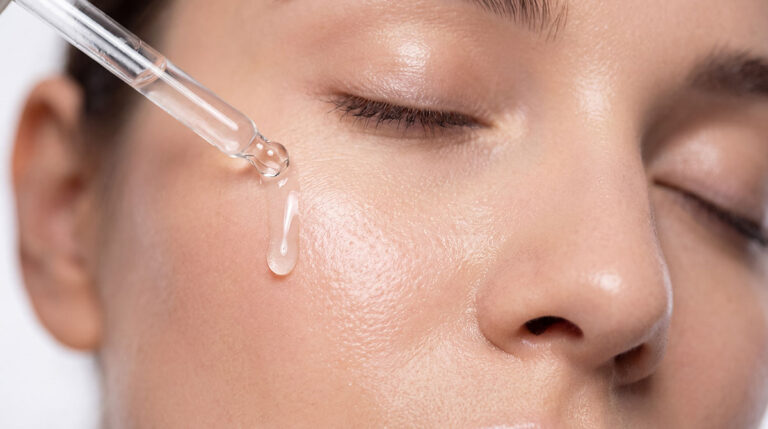
Apply to damp skin
After cleansing, while your skin is still slightly damp, press a few drops in. This is the single most important step.
Always seal it with moisturizer
Hyaluronic acid is a humectant, not a moisturizer. It needs an emollient or cream on top to lock the hydration in. They are a team, not interchangeable.
You can use it morning and night
It has no sun sensitivity concerns and plays well with almost everything, so twice daily is completely fine.
It layers with everything
Hyaluronic acid pairs beautifully with niacinamide, retinol, peptides and vitamin C. It is actually one of the best things to use alongside retinol, since it helps offset the dryness. More on how niacinamide works and what peptides do if you want to build a routine around it.
Do not rely on it alone
On its own, hyaluronic acid hydrates the surface temporarily. The lasting benefit comes from using it correctly within a complete routine, sealed in and supported by other ingredients.
💡 THE ONE RULE
If you remember nothing else: damp skin, then seal it. Hyaluronic acid on dry skin with nothing on top is the number one reason people think it does not work for them.
This part includes affiliate links. Any purchase you make supports this blog at no additional cost to you. Learn more here
Hyaluronic Acid: Best of Each Type
Rather than three serums that all do the same thing, here is the best of each format, because hyaluronic acid genuinely shows up everywhere. All three are fragrance-free and suitable for hormonal, oily and reactive skin.
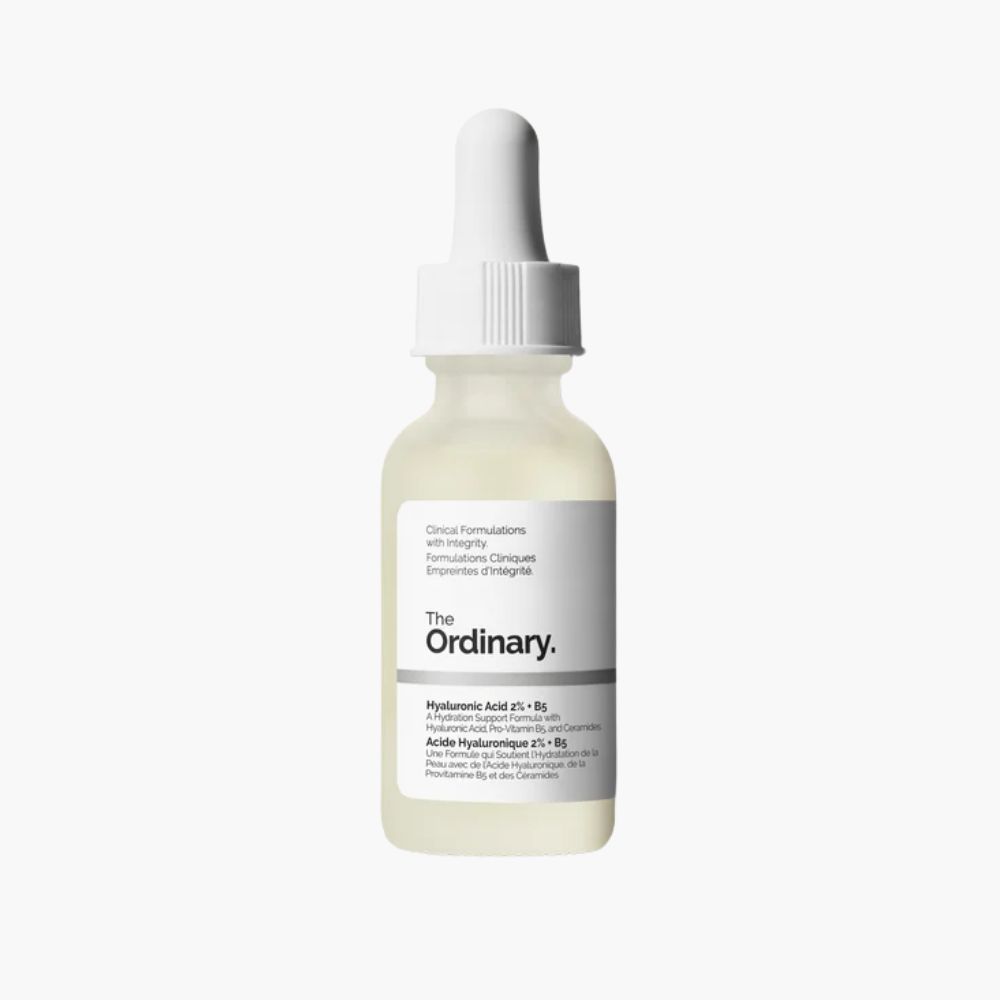
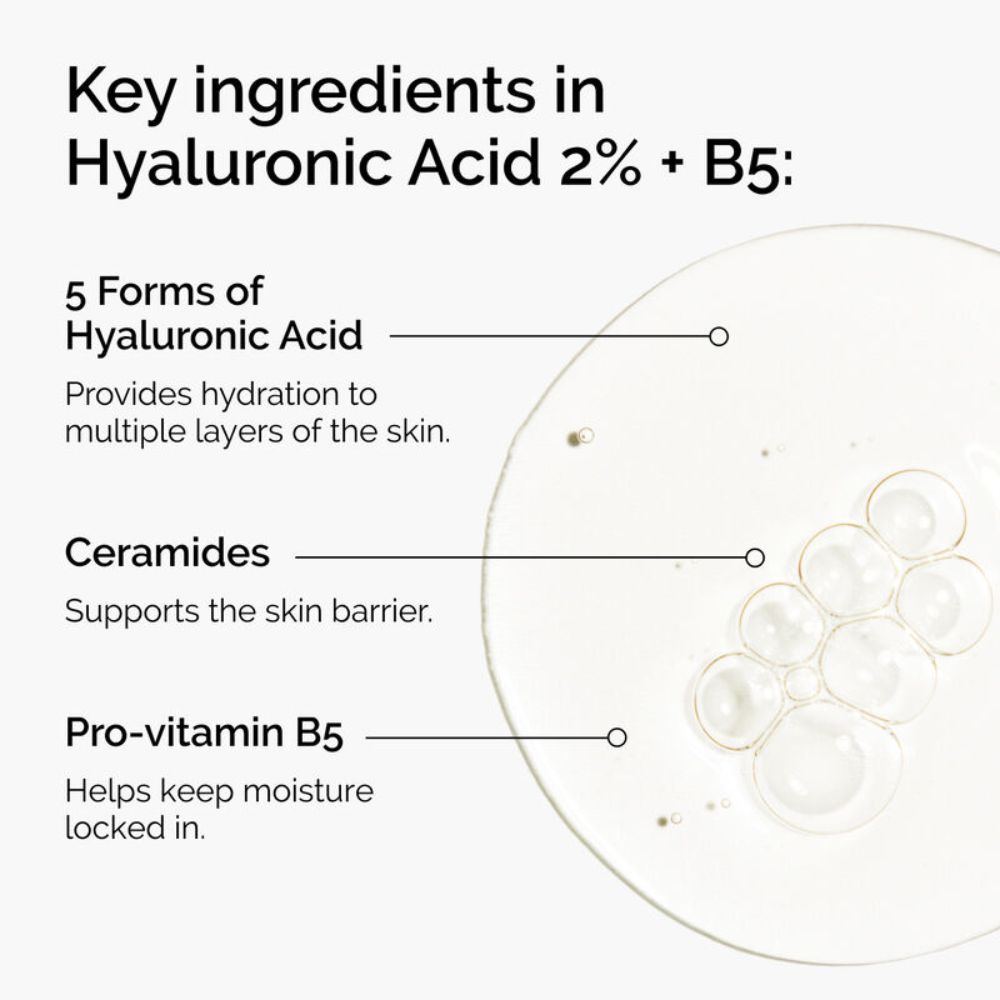
Best Serum: The Ordinary Hyaluronic Acid 2% + B5 (with Ceramides)
Best for
Key InGREDIENTS
There is a reason this is so many people’s pick for the best hyaluronic acid serum, and the reformulated version with ceramides made it even better. It uses five different weights of hyaluronic acid so it hydrates at multiple layers of the skin rather than just sitting on top, while the added ceramides help seal that moisture in and support your barrier. If you want a near-pure hyaluronic acid serum without fragrance or fillers, this is it. Fragrance-free, oil-free, and genuinely hard to beat at the price.
What I love:
The new formula dries down to a non-tacky finish, which fixes the slightly sticky feel the original was known for. It layers cleanly under everything and works morning and night.
Worth knowing:
Like any hyaluronic acid, it performs best on damp skin with a moisturizer sealed on top. One reviewer in a dry climate found it drying precisely because it was applied to dry skin, so follow the damp-skin rule and it delivers.
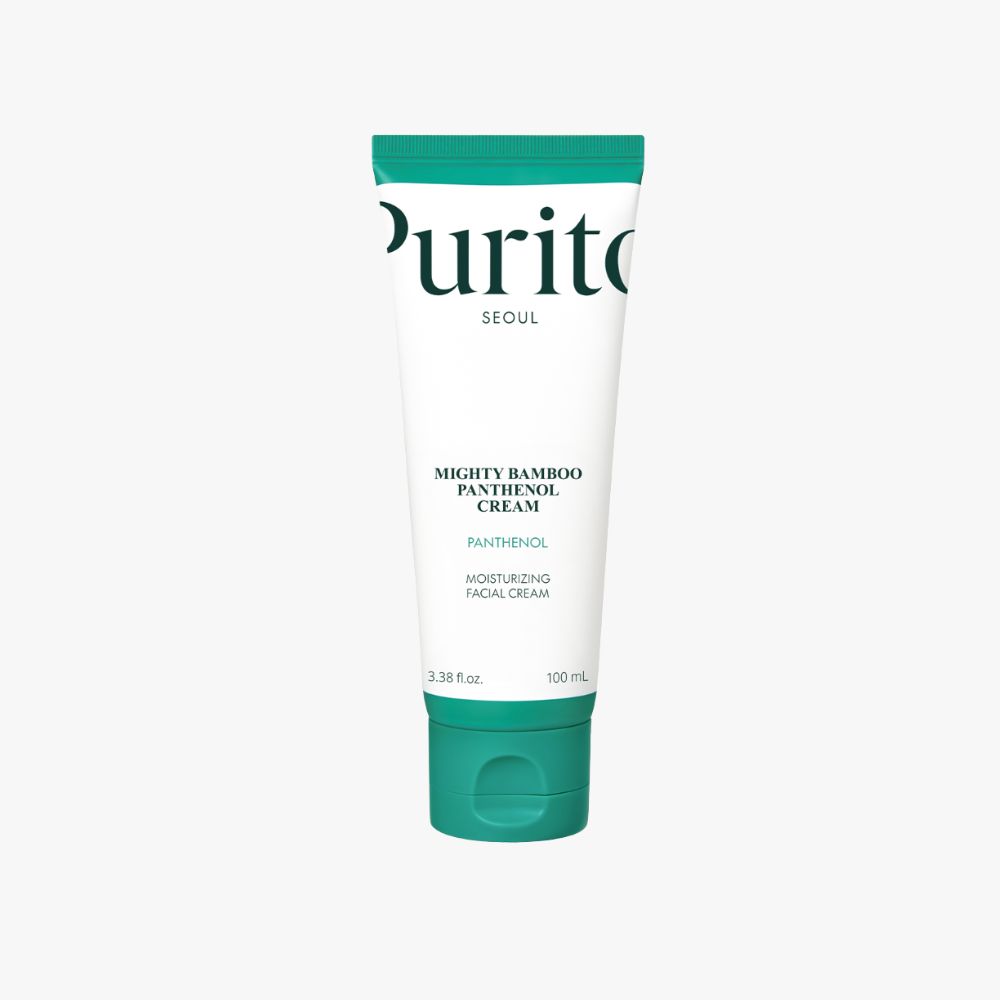
Best Moisturiser: PURITO Mighty Bamboo Panthenol Cream
Best for
Key InGREDIENTS
This is the seal-it-in step done right, and a genuinely great hyaluronic acid moisturizer for oily and acne-prone skin. A hyaluronic acid serum needs a moisturizer on top to work properly, and this one does that job beautifully while adding its own hydration, oil control and barrier support. The gel-cream texture disappears into skin without any heaviness, and the niacinamide quietly helps with oil and post-acne marks at the same time.
What I love:
Completely fragrance-free, no silicones, no harsh alcohols. It hydrates without ever tipping oily skin into shine, which is exactly what you want sealed over your hyaluronic acid.
Worth knowing:
It is a Korean brand so it may not be in every pharmacy, but it is widely available online and the value for the quality is excellent.
Best Lip Product: Paula’s Choice Boost Hyaluronic Acid + Peptide Lip Booster
Best for
Key InGREDIENTS
This is the one nobody thinks of, and it might be the most pleasant surprise of the three. Your lips lose hydration and definition over time just like the rest of your face, and this treatment uses hyaluronic acid to plump and hydrate while peptides work on the fine lines that creep in around the lip line. Squalane keeps everything soft and seals the moisture in.
What I love:
Fragrance-free, with a dewy non-sticky finish. In an eight-week study, 82% of users said their lips felt smoother and softer. It works under lipstick or alone before bed.
Worth knowing:
This is a treatment, not a tinted gloss, so think of it as skincare for your lips rather than makeup. Used nightly is where it shines.
Hyaluronic Acid: Your Questions Answered
Do I really need hyaluronic acid if it is already in my moisturizer?
Not necessarily. If your skin feels comfortable and hydrated, what you are already using may be enough. A dedicated serum is most worth it if your skin feels tight, dull or dehydrated, or if you use drying actives like retinol.
Can hyaluronic acid dry out your skin?
It can, but only when used incorrectly. Applied to dry skin in a dry environment with nothing sealed on top, it can pull moisture from deeper layers. Apply to damp skin and seal with moisturizer and this never happens.
Is hyaluronic acid good for oily and acne-prone skin?
Yes. It is non-comedogenic, lightweight, and adds water without oil. Since dehydrated skin often overproduces oil, hyaluronic acid can actually help balance oily skin over time.
Can I use hyaluronic acid with retinol?
Absolutely, and it is one of the best pairings there is. Hyaluronic acid helps offset the dryness and irritation retinol can cause, making your routine more comfortable.
Wet or dry skin: which is better for hyaluronic acid?
Slightly damp skin is ideal for most formulas, followed immediately by a moisturizer to lock it in. This gives the humectant water to grab and prevents it pulling moisture from your skin.
So, Do You Really Need It?
Here is my honest takeaway after going down this rabbit hole. Hyaluronic acid is genuinely good, genuinely gentle, and genuinely worth using, but it is not magic and it is not always a separate purchase you have to make. Check what you already own first. If your skin is dry, dehydrated, or you are using actives that dry you out, a dedicated product is absolutely worth it. And whatever you use, the damp-skin-then-seal rule is what makes the difference between it working and it doing nothing.
So do you really need it? For most people in their 30s, yes, in some form. You might just already have it sitting on your shelf.
Your skin already knows what to do with hyaluronic acid. You just have to give it to it the right way.