Here is something that surprised me: your body cannot make vitamin C on its own, and the small amount you get from food mostly goes to your organs, not your face. Which is exactly why a vitamin C serum exists, and why it has quietly become one of the most recommended steps in skincare.
But there is a lot of confusion around it. Which form is best? Do you even need a serum, or can you just eat an orange? And why does it keep turning a weird shade of orange in the bottle? Here is the answer to all of it: what vitamin C actually does, which form suits your skin, and how to use it so you are not wasting your money. Let’s get into it.
The 4 Best Vitamin C Serums, Quick Look
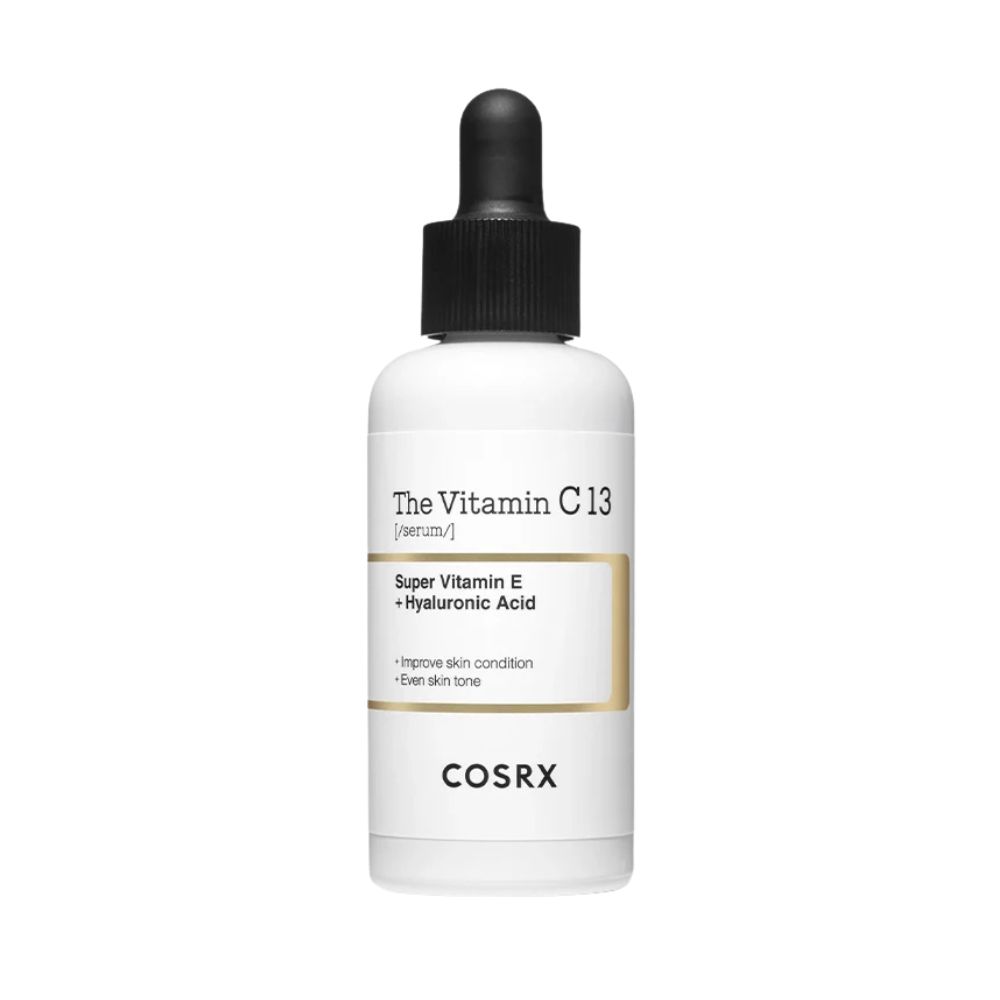 |
BEST FOR NEW TO VITAMIN CCOSRX The Vitamin C 13 Serum |
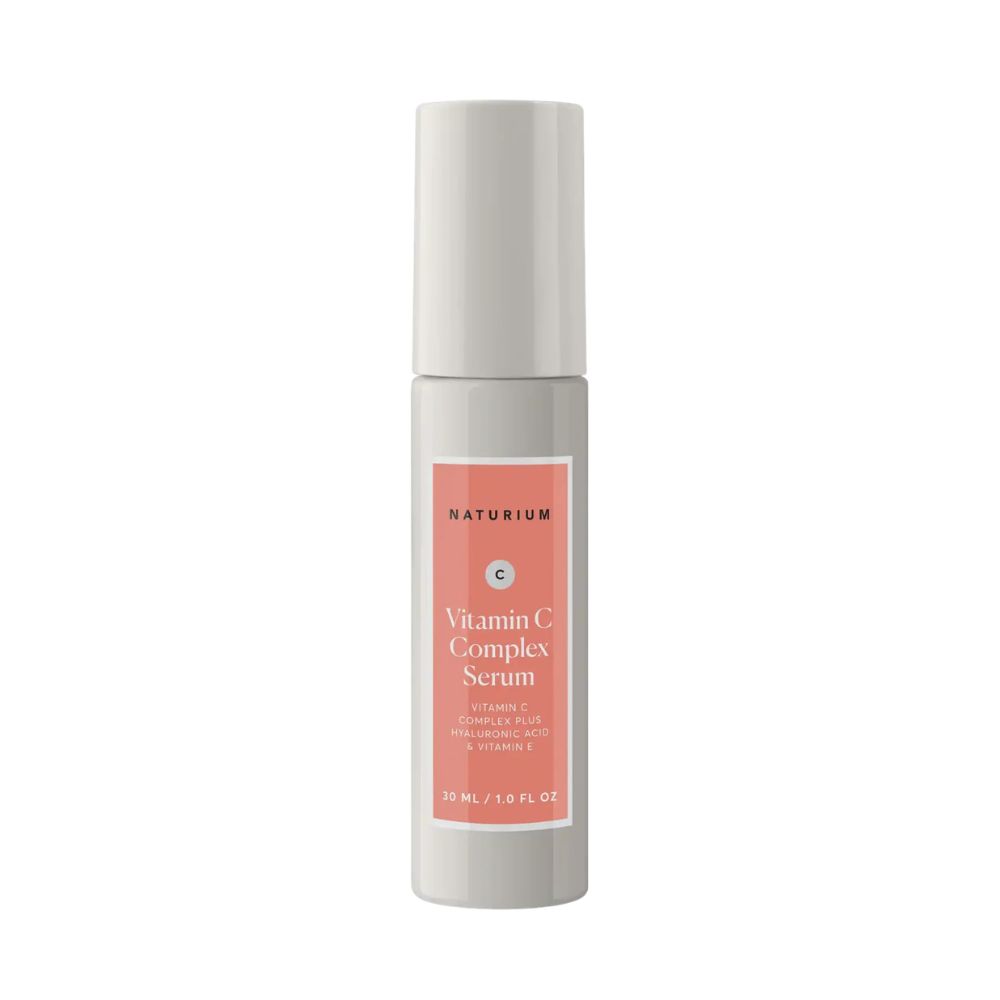 |
BEST FOR ALL SKIN TYPESNaturium Vitamin C Complex Serum |
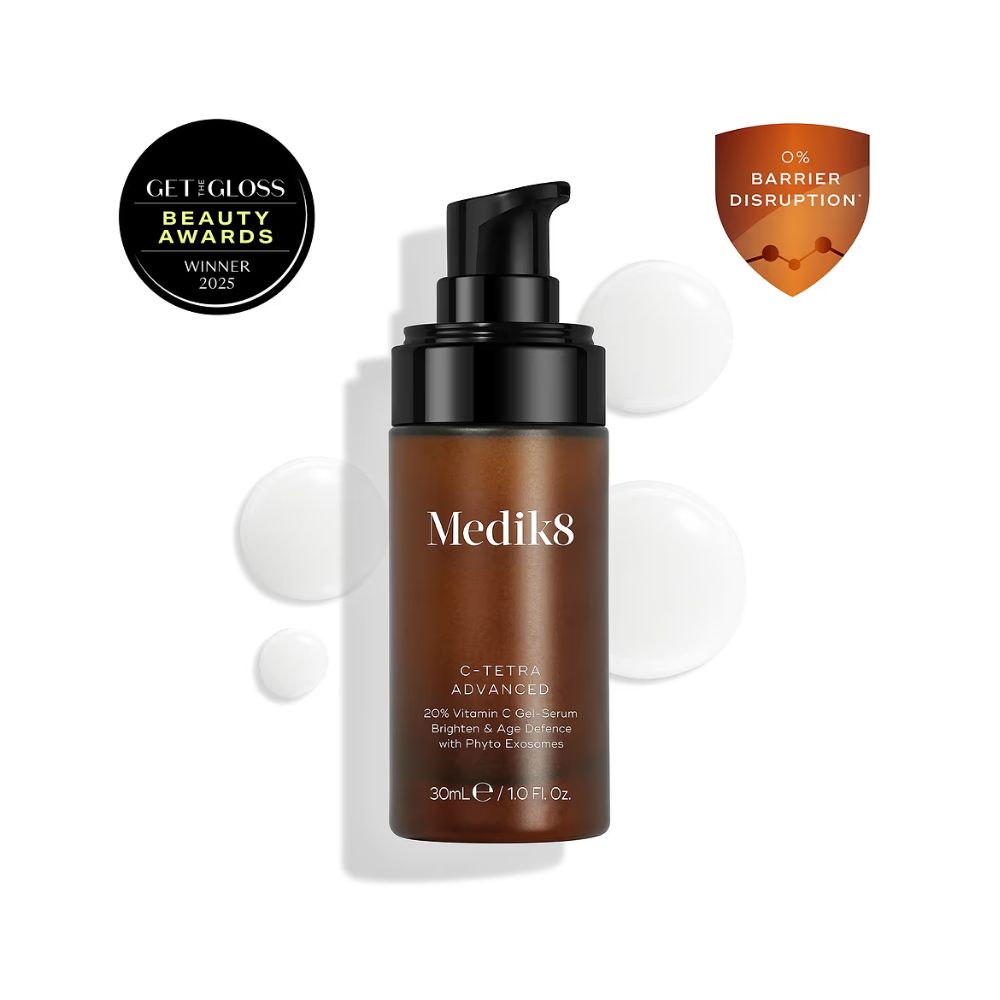 |
BEST FOR OILY & COMBINATION SKINMedik8 C-Tetra Advanced |
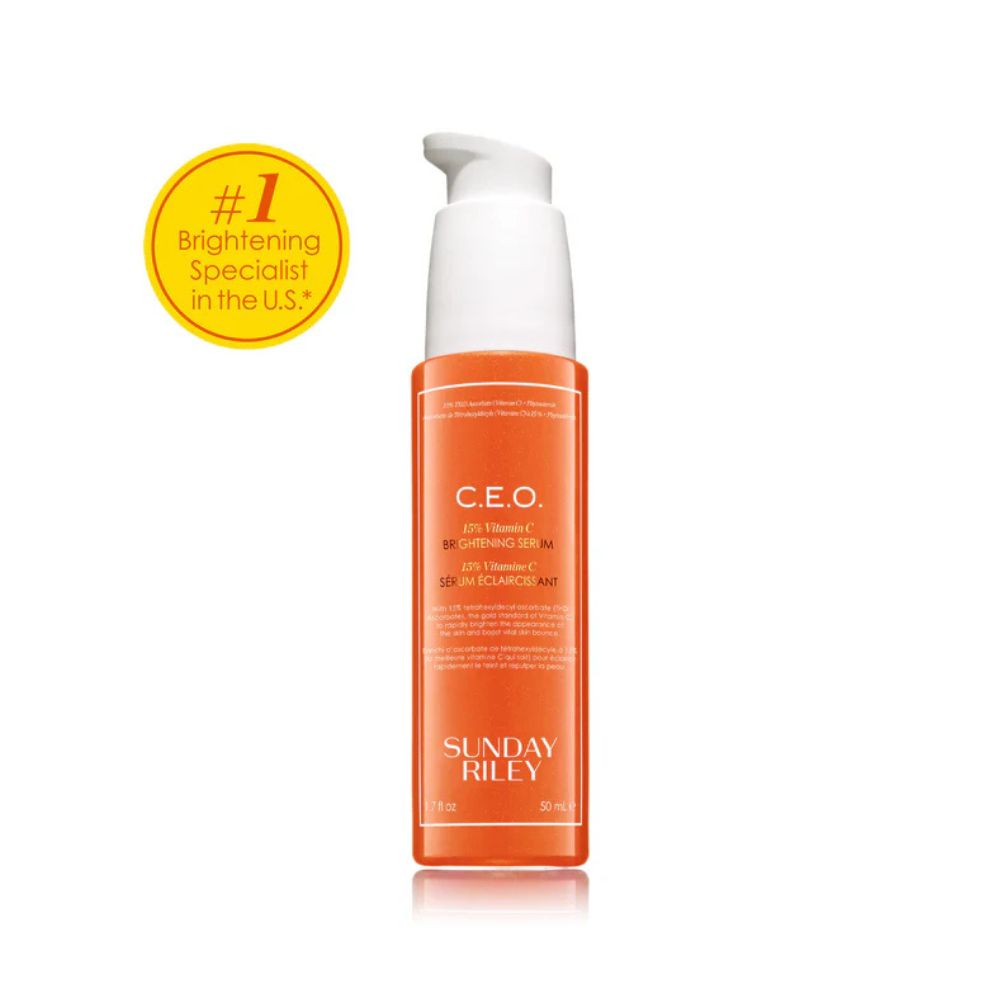 |
BEST FOR VISIBLE GLOWSunday Riley C.E.O. 15% |
What Does Vitamin C Actually Do for Your Skin?
At its core, vitamin C is an antioxidant, which means its main job is protecting your skin from daily damage. But it does more than defend. Here is what a good serum genuinely delivers:
- Brightens dull, tired skin
- Fades dark spots and post-acne marks
- Boosts collagen to soften fine lines
- Protects against daytime damage, alongside your SPF
Think of vitamin C as your sunscreen’s backup. Your SPF blocks most UV rays, but a few always sneak through, and when they do, vitamin C is waiting to neutralise the damage before it sets in. Your sunscreen plays defence, vitamin C cleans up whatever gets past it. As Cleveland Clinic dermatologist Dr. Melissa Piliang puts it, the two work in synergy. That is why vitamin C is a morning ingredient.
Do You Need a Serum, or Can You Get It From Food?
You need both, and they do completely different jobs.
Eating vitamin C matters enormously. Your body cannot produce it, so it relies on your diet to build collagen and run its antioxidant defences from within.
The foods richest in VITAMIN C
- Bell peppers (more than oranges)
- Citrus like oranges, lemons and grapefruit
- Kiwi, strawberries and guava
- Broccoli and leafy greens

But here is the catch. When you eat vitamin C, your body sends it everywhere, your organs, your bloodstream, your tissues, and only a tiny fraction ever reaches your skin. So food keeps your skin healthy from the inside, but it cannot deliver the high, targeted dose to the surface where brightening and dark-spot fading actually happen.
That is the serum’s job. Applied directly, it reaches your skin at a concentration food simply cannot match.
The Best Forms of Vitamin C (and Which Suits You)
This is where most people get tripped up: vitamin C is not one ingredient, it is a family. And the form matters more than the big percentage on the front of the bottle. You really only need to know two camps:
The strong one.
Pure vitamin C (you will see it called L-ascorbic acid) is the most powerful and most researched. It works fast, but it is also the most likely to sting and the quickest to go off. Best for skin that already handles actives well.
The gentle ones.
Everything else on the label that ends in “ascorbate” or “ascorbic acid” with a word in front is a gentler, more stable version. They are kinder to skin, do not sting, and several are genuinely better for oily, sensitive and acne-prone skin. They work a little more slowly, but they are far easier to actually stick with.
So which suits you? If your skin is reactive, oily or acne-prone, start gentle. If your skin is resilient and you want maximum results on dark spots, the strong one is your hero. There is no single best form, only the best one for your skin.
What Are the Best Things to Pair Vitamin C With?
The everyday power move is vitamin C plus SPF. Use vitamin C in the morning, then layer sunscreen on top, and you get that daytime protection synergy. Vitamin C and hyaluronic acid also layer beautifully, since the hydration offsets any dryness.
Two to handle with a little care: vitamin C and retinol are both brilliant but can be a lot at once for sensitive skin, so most people use vitamin C in the morning and retinol at night. Vitamin C and niacinamide are fine together in modern formulas, but very reactive skin may prefer them at different times of day.
Who Should Use Vitamin C?
Everyone can benefit, but it is especially worth it if you have:
- Dark spots, post-acne marks or uneven tone
- Dullness and a lack of glow
- Early fine lines, thanks to the collagen support
- Daily sun exposure, where the antioxidant protection genuinely matters

The only people who should go slowly are those with very sensitive or reactive skin, and even then the answer is not to skip it, but to choose a gentle form and build up gradually.
This part includes affiliate links. Any purchase you make supports this blog at no additional cost to you. Learn more here
The Best Vitamin C Serums: My Top 4 Picks
COSRX The Vitamin C 13 Serum
Best for
If you are not sure where to start with vitamin C, this is it. COSRX designed this as the gentle entry point to their range, pairing 13% pure vitamin C with a gentler form and a soothing base of panthenol, allantoin and niacinamide. The result is a lightweight, watery serum that brightens and evens tone gradually, without the stinging that puts so many people off vitamin C entirely.
The texture is genuinely lovely, it absorbs in seconds and never feels sticky, which makes it easy to actually stick with. And consistency, far more than concentration, is what gets you results.
What I love:
It is the rare beginner serum that still delivers real, visible brightening. Fragrance-free, recognisable, and an easy, low-risk first step into vitamin C.
Worth knowing:
Pure vitamin C has a faint natural coppery scent that a few people notice. Store it somewhere cool and replace it if it turns deep orange, that is the sign it has oxidised.
Naturium Vitamin C Complex Serum
Best for
This is the smart all-rounder, and the clever bit is the hybrid approach. It combines pure vitamin C for immediate potency with gentler, more stable forms, so you get real results with less of the irritation risk. A bioactive fruit blend adds gentle antioxidant support on top.
Women consistently reach for this one to fade dark spots and blemish marks, with many noting an immediate glow and a lightweight finish that layers well under everything else.
What I love:
Genuinely fragrance-free, vegan and non-comedogenic, and it delivers brightening that usually costs a lot more. Hard to beat as a daily vitamin C.
Worth knowing:
The finish leans slightly dewy at first and settles within a minute, so give it a moment before layering. As a multi-form serum it is a brilliant middle ground rather than the single most potent option out there.
Medik8 C-Tetra Advanced
Best for
Medik8 is a brand dermatologists and facialists genuinely rate, and this is their answer to a common problem: how to deliver a high-strength 20% vitamin C without the heaviness or sting. They used a gentle but deeply-penetrating form of vitamin C in a lightweight water-based gel rather than an oil. The result suits oily and combination skin beautifully, brightening and smoothing fine lines without ever feeling greasy or shiny by midday.
The added phyto exosomes and hyaluronic acid support the skin barrier, so even though it is potent, it stays comfortable. It is the pick for someone who has used vitamin C before and wants to step things up.
What I love:
A genuinely high-performance 20% vitamin C in a gel that oily and combination skin actually enjoys wearing. It brightens and smooths without the texture trade-offs of stronger serums.
Worth knowing:
It contains a light, natural citrus fragrance from essential oils. Most people enjoy it and tolerate it well, but if your skin is particularly fragrance-sensitive, patch test first.
Sunday Riley C.E.O. 15% Vitamin C Brightening Serum
Best for
This is the treat-yourself option, and it earns the price. It uses a gentle-but-penetrating 15% vitamin C in a silky, fast-absorbing texture that feels genuinely luxurious. Women specifically mention dark spots and post-acne marks fading over a few weeks, alongside an immediate, lasting glow.
Because it uses the gentler form rather than pure L-ascorbic acid, it manages to be both potent and surprisingly well tolerated, even by skin that has struggled with vitamin C before.
What I love:
It delivers that visible, lit-from-within radiance while quietly working on tone and marks underneath. The texture alone makes it a pleasure to use every morning.
Worth knowing:
It is a treat, and a little goes a long way, so one bottle lasts. Use it consistently each morning with your SPF and it rewards you with that signature glow.
How to Use Vitamin C Properly
Use it in the morning
Vitamin C shines in your AM routine, where its antioxidant protection works alongside your sunscreen against daytime damage.
Apply to clean skin before moisturizer
After cleansing (and toner if you use one), apply a few drops, let it absorb for 30 to 60 seconds, then follow with moisturizer.
Always follow with SPF
Non-negotiable in the morning. Vitamin C boosts your sun protection, but it does not replace sunscreen. Finish with a broad-spectrum SPF.
Start slow if your skin is reactive
Begin two or three times a week and build up, especially with stronger pure vitamin C formulas. Let your skin set the pace.
Store it well and watch the colour
Vitamin C degrades in light, heat and air. Keep the bottle somewhere cool and dark, and replace it once it turns deep orange or brown.
Vitamin C Serum Questions & Answers:
Is Vitamin C Good for Acne-Prone Skin?
Yes, it genuinely is. Vitamin C does not inherently cause breakouts, and it is one of the best ingredients for fading the dark marks that acne leaves behind, alongside azelaic acid. It even has mild anti-inflammatory benefits. The key is choosing a gentler form and avoiding heavy, oily formulas if your skin is acne-prone, which is exactly why the picks above lean toward lightweight, non-comedogenic textures.
Can You Use Vitamin C With Retinol?
Yes, but if your skin is sensitive, the easiest approach is vitamin C in the morning and retinol at night. That split gives you the full benefit of both without overloading your skin. Used in the same routine they can be a lot at once for reactive skin, so the AM and PM divide keeps everything comfortable.
Why Has My Vitamin C Serum Turned Orange?
A vitamin C serum that has turned orange is past its best. Vitamin C is unstable and reacts with light, heat and air, and as it breaks down it shifts from clear or pale yellow to deep orange or brown. It will not harm your skin, but it has lost most of its potency, so it is no longer doing much. Store it somewhere cool and dark, and buy bottle sizes you can realistically finish within a few months rather than a large one that goes off halfway through.
So, Do You Need One?
Vitamin C is one of the few ingredients that genuinely earns its hype, but only when you choose the right form for your skin and use it consistently in the morning under SPF. Eat your peppers and citrus for skin health from within, and add a serum on top if you want visible brightening and fading where you apply it.
Start gentle, be patient, protect it from light, and pair it with sunscreen. Do that, and vitamin C becomes one of the most rewarding steps in your whole routine.
Your skin does not need ten products. It needs a few good ones, used well. Vitamin C, done right, is one of them.