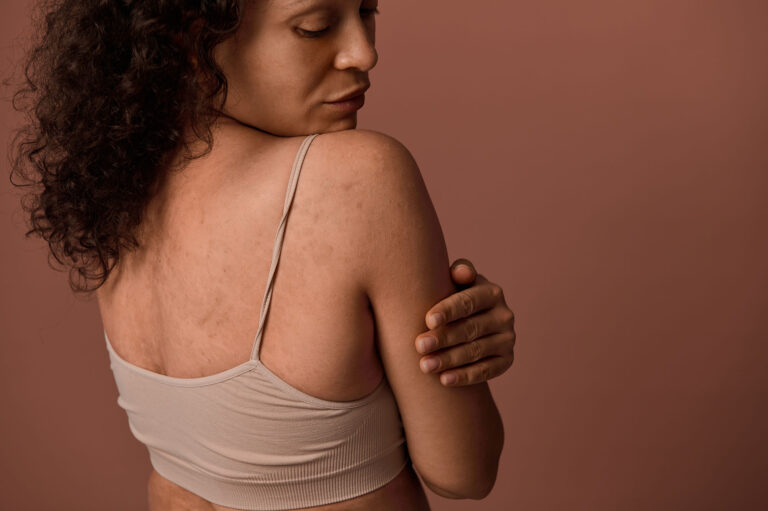
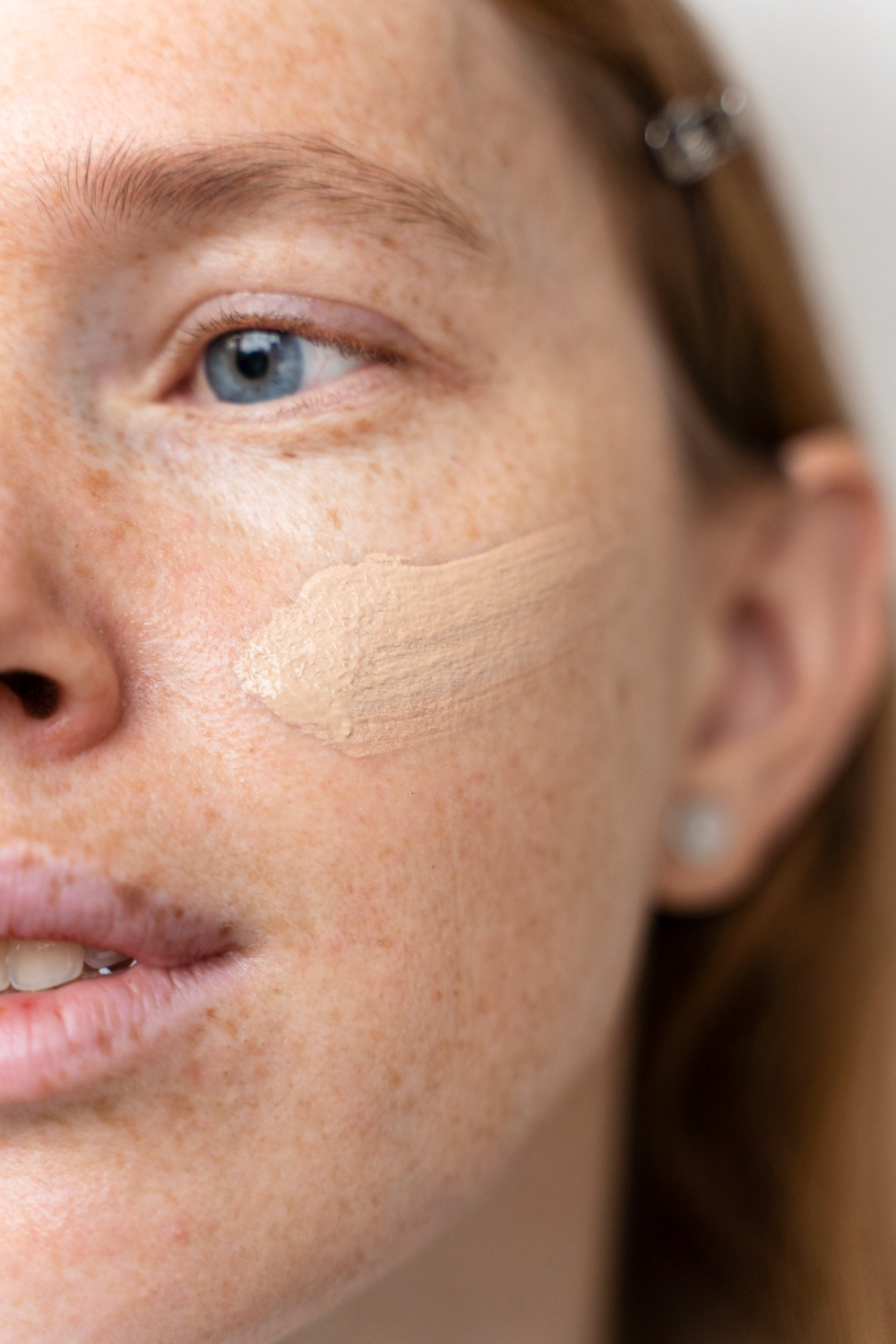
If you are managing hormonal acne in your 30s while also noticing the first signs of fine lines and shifting skin texture, sunscreen is not just a summer step, it is the single most effective way to prevent premature aging, protect your collagen, and stop post-acne marks from getting darker.
And a tinted sunscreen? That is your new best friend. One product that protects your skin, evens your tone, and is far less likely to sit heavily on pores than traditional foundation.
Find Your Match
JUMP TO PRODUCT SECTION
The Best Tinted Sunscreens for Hormonal Acne, by Skin Type
First, Do Tinted Sunscreens Actually Protect You?
Yes, and research suggests they protect you better than non-tinted options in some key ways. Regular broad-spectrum sunscreens block UVA and UVB rays, which is essential. But the pigments that give tinted sunscreens their colour also shield your skin from visible light including the blue light coming from your phone and laptop, which is one of the main reasons hormonal acne leaves those stubborn dark marks behind in the first place.
Why this matters for acne-prone skin:
Visible light has been shown to worsen hyperpigmentation, especially in darker or post-inflammatory marks. The iron oxides in tinted sunscreen help block this type of light, which means fewer stubborn marks after breakouts and faster fading over time.
Why Mineral vs. Chemical Actually Matters More
For women managing hormonal acne, this distinction is worth understanding. Mineral sunscreens (those with zinc oxide or titanium dioxide on the label) sit on the skin’s surface and physically deflect UV rays. They do not clog pores, they do not irritate the skin, and they do not get absorbed into your body.
Chemical sunscreens work differently, they absorb into the skin and convert UV rays to heat. The problem is that some of the older chemical filters, particularly one called oxybenzone, have been flagged in research for potentially interfering with your hormones. If you already have hormonal acne, that is the last thing you want. The FDA has also confirmed that only two sunscreen ingredients are considered safe and effective without question: zinc oxide and titanium dioxide, both mineral.
That does not mean you can never use a chemical sunscreen, well-formulated chemical sunscreens can work just as well for many people. But if your skin is hormonally reactive, mineral formulas can be a great starting point if your skin is reactive or easily irritated.
My recommnedation:
Go mineral first where you can. If you prefer a chemical formula, look for ones that are oxybenzone-free. Newer Korean and European filters are much gentler and tend to have a lighter, more elegant texture anyway.

What to Look For on the Label
How to Choose the Right Tinted SPF for Your Skin
If you are not sure where to start, use this as a quick guide:
Oily or breakout-prone skin: Look for lightweight fluid or oil-control formulas that won’t sit heavily on pores.
Dry or dehydrated skin: Choose cream-based or hydrating formulas with ingredients like hyaluronic acid.
Concerned about dark spots: Prioritise tinted formulas with iron oxides for visible light protection.
Worried about undertone match: Be cautious with “universal tints,” which can lean slightly warm on very fair or cool skin tones.
Getting the texture right matters just as much as the SPF itself, especially if your skin changes with hormones or seasons.
And yes, your 30s skin can absolutely be oily AND in need of anti-aging support. Hormonal acne does not mean you cannot start noticing fine lines, too. These products address both.
This section contains affiliate links. As an Amazon Associate, I earn from qualifying purchases. If you purchase through one of these links, I may earn a commission at no additional cost to you. Learn more in Affiliate Disclosure.
The Best Tinted Sunscreens for Hormonal Acne, by Skin Type
Best Overall – Combination Skin
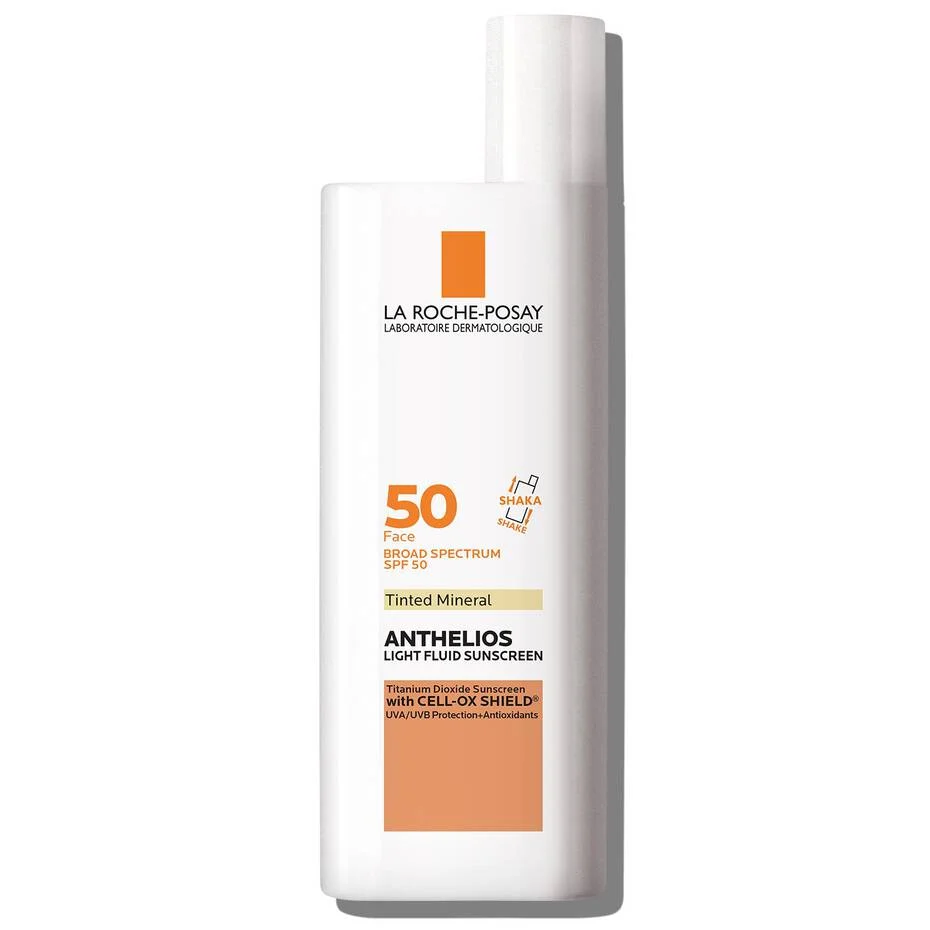
La Roche-Posay Anthelios Tinted Mineral Sunscreen SPF 50
Best For
Combination and sensitive skin
Filter Type
100% Mineral
Shades
4
Price
$37
What it targets: A 100% mineral SPF that uses antioxidants to protect against the environmental stress that breaks collagen down, not just UV rays.
Why it earns its place: This is the one I come back to again and again. It is non-greasy, completely fragrance-free, and the subtle tint evens out redness and post-breakout marks without looking like makeup. Although deep skin tones may find the tint shade range limiting. Works beautifully alone or under foundation. Sensitive skin loves it, acne-prone skin tolerates it perfectly. If you are only going to try one from this list, start here.
Best for Oily / Acne-Prone Skin
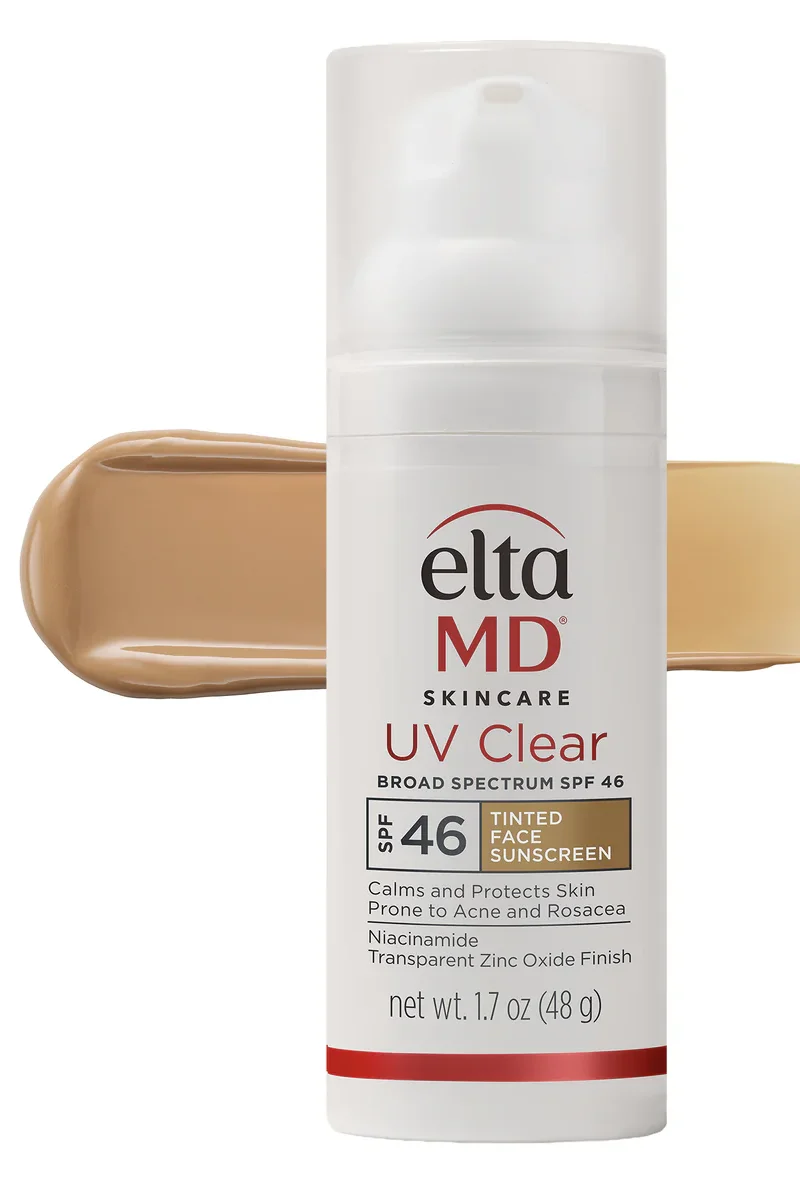
EltaMD UV Clear Tinted Broad-Spectrum SPF 46
Best For
Oily, acne-prone, rosacea-prone skin
Filter Type
Mineral + chemical blend (oxybenzone-free)
Shades
2 (Deep Tinted version also available)
Price
$47
What it targets: Contains 5% niacinamide, the ingredient that calms redness, controls shine, and fades dark marks left by breakouts — in a formula that is completely free of oxybenzone.
Why it earns its place: This is the sunscreen that converts people who have given up on SPF entirely. The texture is so lightweight it barely feels like anything, it does not pill under makeup, and it will not leave you shiny by mid-morning. A consistent dermatologist favourite, and for good reason.
Best for Dry Skin & Anti-Aging
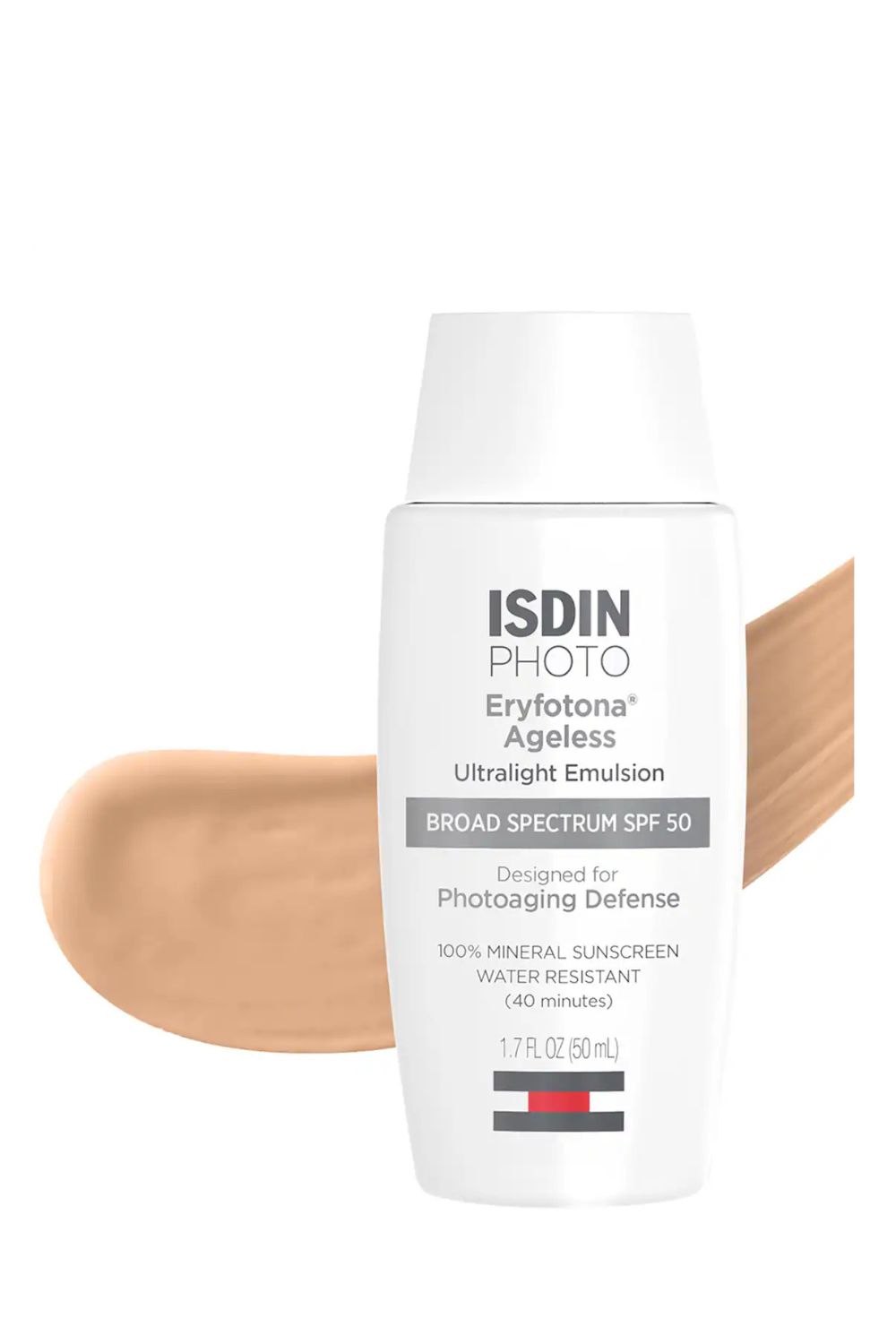
ISDIN Eryfotona Ageless Tinted SPF 50
Best For
Dry skin, anyone starting to notice fine lines
Filter Type
100% Mineral
Shades
1 universal tint
Price
$75
What it targets: The only sunscreen on this list that actively helps repair existing sun damage, not just prevent future damage. It also contains peptides that support your skin’s natural collagen production.
Why it earns its place: Think of it as sunscreen with a built-in repair crew. If you are noticing fine lines, a little loss of firmness, or early sun damage alongside your hormonal breakouts, this is genuinely doing double duty. The texture is almost weightless, completely unlike the heavy SPFs that make dry skin feel suffocated. The one caveat: very fair complexions may find the universal tint slightly warm.
Best for Sensitive Skin
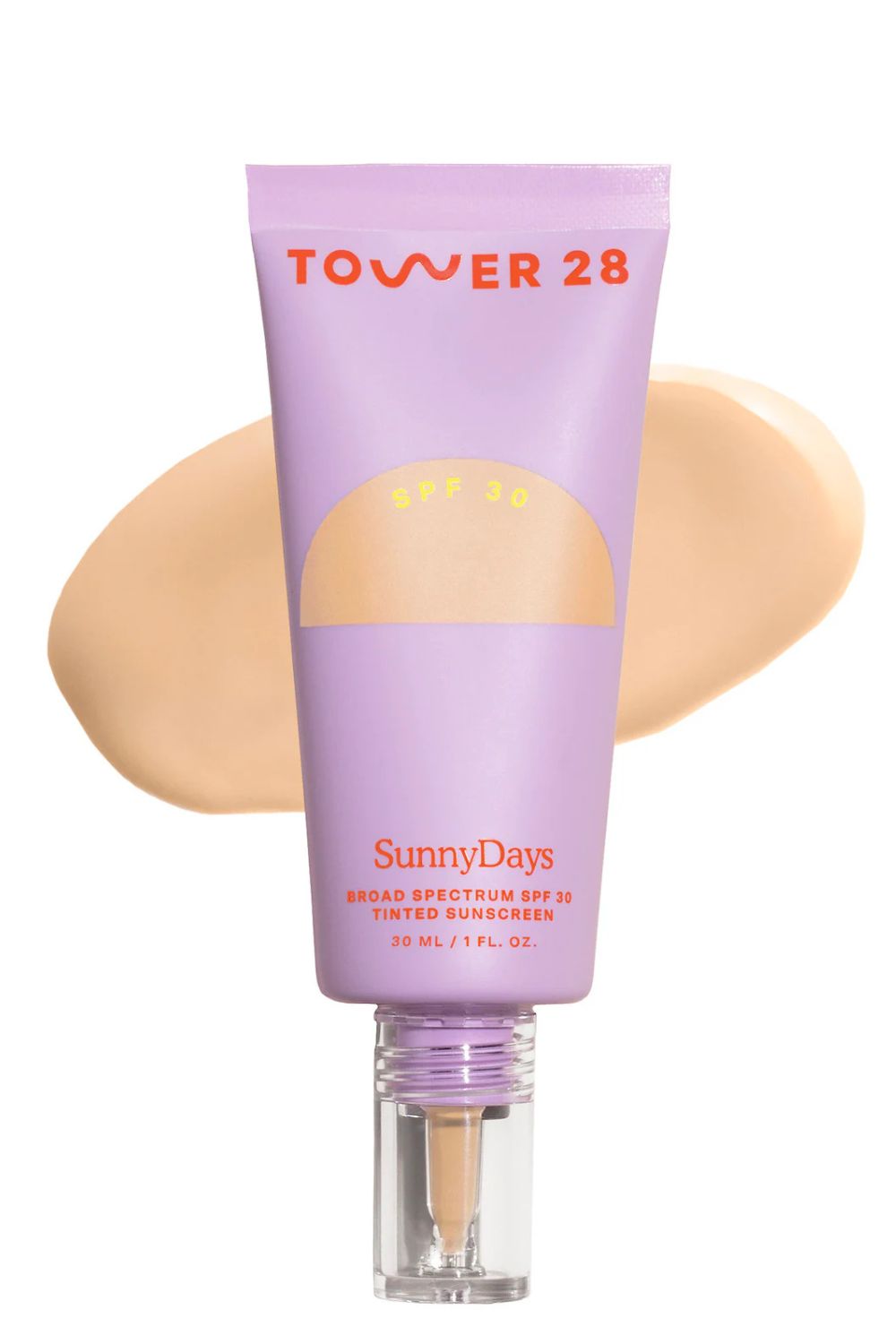
Tower 28 SunnyDays Tinted SPF 30
Best For
Sensitive, reactive, rosacea-prone skin
Filter Type
100% Mineral
Shades
17
Price
$32
What it targets: The only complexion product in the world to carry the National Eczema Association’s Seal of Acceptance. Fragrance-free, alcohol-free, and formulated specifically for skin that reacts to almost everything.
Why it earns its place: If your skin has been through it — rosacea, eczema, persistent hormonal redness, this is the gentlest tinted SPF you will find. Seventeen shades and buildable coverage mean it works across a wide range of skin tones and lets you control how much you show up. The SPF 30 is slightly lower than others on this list, so reapplication is key if you are outdoors.
Best for Deep Skin Tones
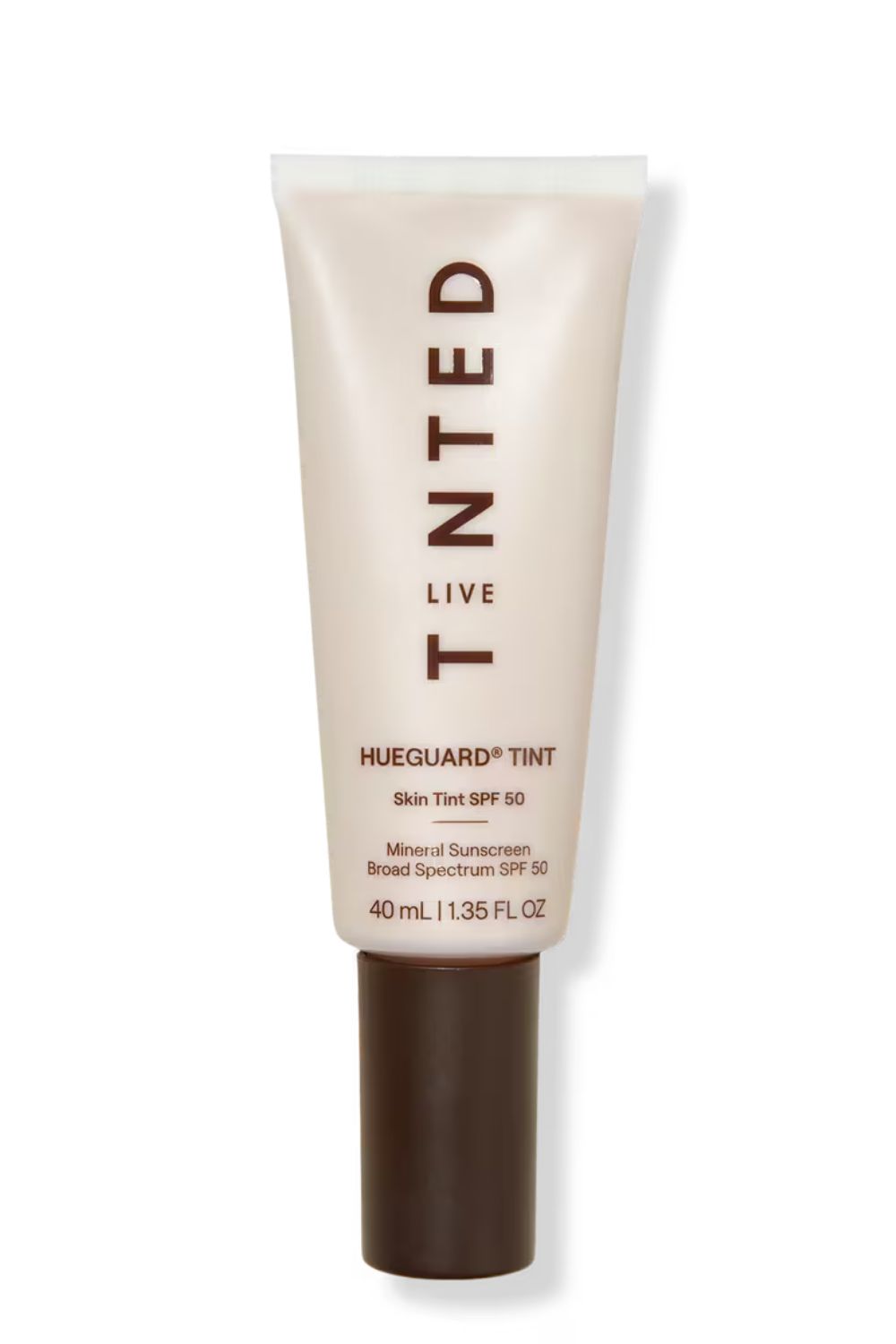
Live Tinted Hueguard Skin Tint SPF 50
Best For
Medium to deep skin tones, all skin types
Filter Type
100% Mineral
Shades
13
Price
$34
What it targets: Eliminates the white-cast problem that has made mineral sunscreen unwearable for so many women with deeper skin tones. while still delivering full SPF 50 mineral protection, hyaluronic acid hydration, and buildable coverage that can replace foundation.
Why it earns its place: Live Tinted was founded specifically because most tinted sunscreens were formulated with lighter complexions in mind, leaving medium to deep skin tones looking grey or ashy. The Hueguard solves this — it melts into skin with no white or grey cast, undertones stay true without oxidising throughout the day, and the 13-shade range means your match actually exists. Non-comedogenic and fragrance-free. If you have been skipping tinted SPF because nothing has ever worked on your skin tone, this is where to start.
Best Investment / Luxury Pick
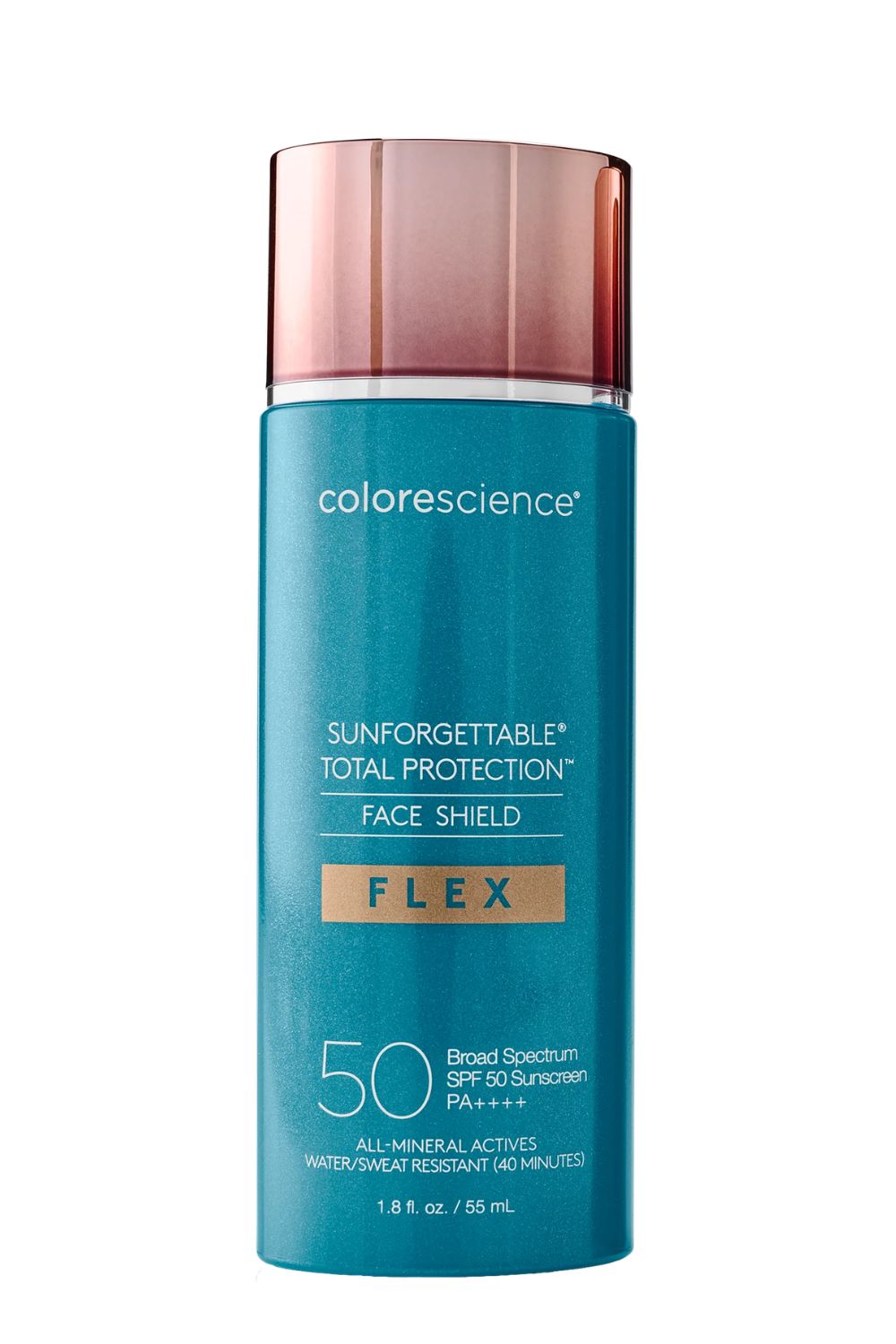
Colorescience Sunforgettable Total Protection Face Shield Flex SPF 50
Best For
Active lifestyles, anyone who wants more coverage from their SPF
Filter Type
100% Mineral
Shades
6 (Fair to Rich Deep)
Price
$65
What it targets: A colour-morphing 100% mineral formula that starts white and shifts to match your skin tone as you blend, landing somewhere between a skin tint and a light foundation in terms of coverage.
Why it earns its place: Sweat and water resistant for 40 minutes, so it actually holds up through workouts and hot days. One bottle lasts around 90 days with daily use, which softens the price considerably. Niacinamide helps with redness and dark marks from breakouts.
Your Future Skin Starts Here
The biggest challenge with SPF is not finding the right product, it’s remembering to reapply it every two hours when you’re outdoors. Even the best sunscreen will let you down if you only use it in the morning. But once reapplication becomes part of your routine, the right tinted SPF becomes the hardest working product in your bathroom. It protects your collagen, fades dark marks left by hormonal breakouts, and sits comfortably on your skin, all without clogging pores or disrupting your hormones.
Go mineral when you can. If your main concern is redness or dark spots, look for niacinamide. If you’re starting to think about firmness, reach for peptides. And never underestimate the impact of a consistent SPF habit, what you start in your 30s will absolutely show up in your 40s.
That’s the most powerful advice I can give you.