Have you noticed dark spots forming around the corners of your mouth, with no idea why they appeared or how to fade them?
This was the case for me, and I wanted to know why. Why the dark spots show up in this exact spot, what actually causes them, and how to fade them for good. And is there a connection to hormonal acne or PCOS?
Why the Skin Around Your Mouth Is Darker Than the Rest of Your Face
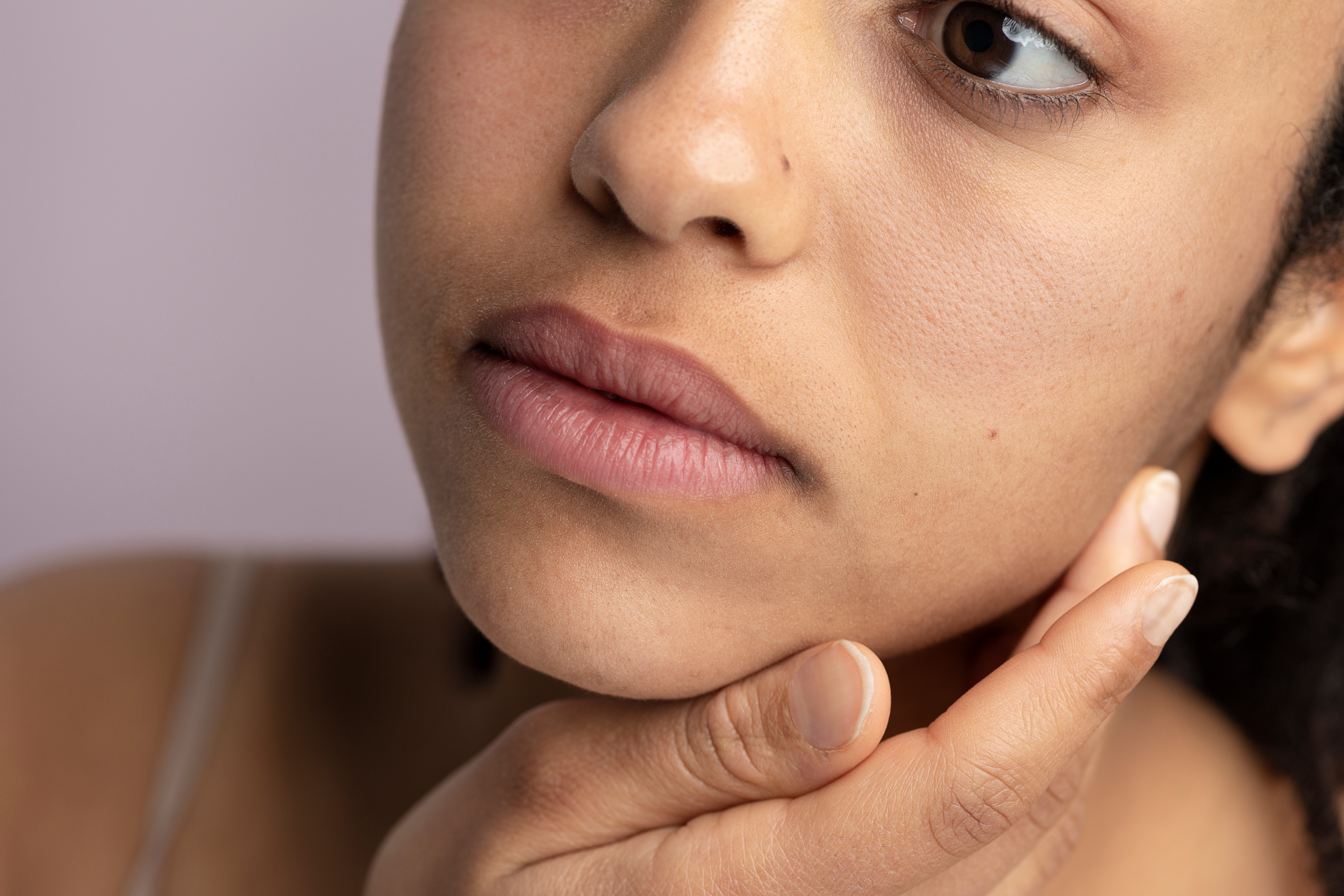
The area around your mouth is thin, highly reactive, and exposed to a daily combination of triggers that most of your face is not.
It is one of the most commonly missed spots when you apply sunscreen. It is a friction zone, from eating, talking, wiping your mouth, lip products and hair removal. And it is one of the most common places for hormonal breakouts to appear. Put all of that together and you have skin that is simply more prone to darkening than your cheeks or forehead.
So if the corners and/or sides of your mouth look shadowed while the rest of your face looks even, it is not in your head. That zone is genuinely more vulnerable.
Why Dark Spots Appear Around the Mouth
Usually, it comes down to one of these five:
1
Post-acne marks (PIH). The flat brown or reddish marks left behind after a breakout heals. The chin and corners of the mouth are common breakout spots, so this is the number one cause for most people.
2
Friction and irritation. Lip licking, harsh products, waxing or threading the upper lip, even an irritating toothpaste, can all drive darkening over time.
3
Hormonal pigmentation (melasma). Symmetrical brownish patches, often on the upper lip, triggered by hormonal shifts like pregnancy, birth control or PCOS.
4
A weakened skin barrier. When the barrier around the mouth is dry or damaged, the area becomes more reactive and more prone to pigment.
5
Sun exposure. The mouth area is one of the most commonly missed spots when applying SPF, so it quietly builds up UV damage that deepens existing marks.
It all comes back to melanin, your skin’s pigment. When skin gets irritated or inflamed, it pumps out extra melanin right in that spot, and the thin, hard-working skin around your mouth is especially quick to react. For most of us, the real driver is post-acne marks, which leads straight to the hormonal piece of the puzzle.
Can PCOS and Hormonal Acne Cause Dark Spots Around the Mouth?
Here is the part that changed how I understood my own skin. If you have hormonal acne, and especially if you have PCOS, your dark spots around the mouth are very likely connected to the same root cause as your breakouts.
The link is insulin and androgens, the hormones at the heart of PCOS. As the Cleveland Clinic explains, higher insulin pushes up androgen levels, and those androgens trigger the deeper, more inflamed breakouts that show up around the jaw, chin and mouth. When those breakouts heal, they often leave a dark mark behind. So the spots around your mouth are usually the leftover footprint of the breakouts PCOS makes worse.
One root cause, showing up as three different things: the hormonal imbalance, the breakouts, and the dark marks they leave.
It is worth knowing there is a second, different kind of darkening linked to PCOS, and it is easy to tell apart. If the patches are flat and smooth (just darker skin) and sit around your mouth, that is pigment, the treatable kind this article is about. If they are thick, velvety and slightly raised, and show up in body folds like the neck, armpits or groin, that is something different called acanthosis nigricans, which is tied more directly to insulin and is worth raising with your doctor. Quick test: flat and smooth is pigment, velvety and raised is insulin.
🧠 WORTH KNOWING
The dark marks around your mouth are almost always post-inflammatory hyperpigmentation or melasma, both flat and pigment-based. That is genuinely good news, because flat, pigment-based marks are very treatable with the right approach.
If you want to understand the breakout side of this more deeply, the guides to hormonal acne and azelaic acid for hormonal acne go further into why these breakouts happen and how to calm them.
How to Get Rid of Dark Spots Around the Mouth
Let’s be honest about one thing first: fading pigment takes patience. Most actives need eight to twelve weeks to show visible results, and the marks sitting deeper in the skin take longest. Consistency and daily sunscreen matter more than the strength of any single product. There is no overnight fix, but there is a genuinely effective approach, and it is simpler than the internet makes it sound.
Here is what actually works:
- A targeted brightening active that reduces pigment. The standout for this exact situation is azelaic acid, more on why below.
- Daily SPF on the mouth area, the single most important step, and the most commonly skipped. Without it, UV keeps re-darkening the marks faster than anything can fade them.
- Gentle exfoliation, not harsh scrubbing, which makes pigment worse. Think mild and consistent, a gentle acid like a PHA or the light exfoliation azelaic acid already provides, rather than anything aggressive on this delicate zone.
- Treating the breakouts at the source, since new breakouts create new marks, calming the hormonal acne is part of fading the spots for good.
- Patience and consistency, this is the unglamorous truth, but it is the one that works.
💡 START HERE
If you do one thing, make it daily SPF on the mouth area. You can use the best brightening serum in the world, but if you skip sun protection on that zone, the UV will keep re-stimulating the pigment and you will feel like nothing is working. Sunscreen is what lets everything else actually show results, and the best SPF for dark spots is worth getting right.
The Best Product I Found for Dark Spots Around the Mouth
For dark spots around the mouth on hormonal, acne-prone skin, one ingredient stands above the rest: azelaic acid. And to answer the question directly, because I asked it myself: azelaic acid on its own genuinely fades dark marks. You do not need a shelf of products. It is uniquely good here because it does three jobs at once, it reduces the pigment, calms the inflammation, and helps prevent the new breakouts that would leave new marks. It is also gentle, rosacea-friendly and pregnancy-safe, which matters for the hormonal and PCOS crowd.
The single product I landed on is the one I am using myself.
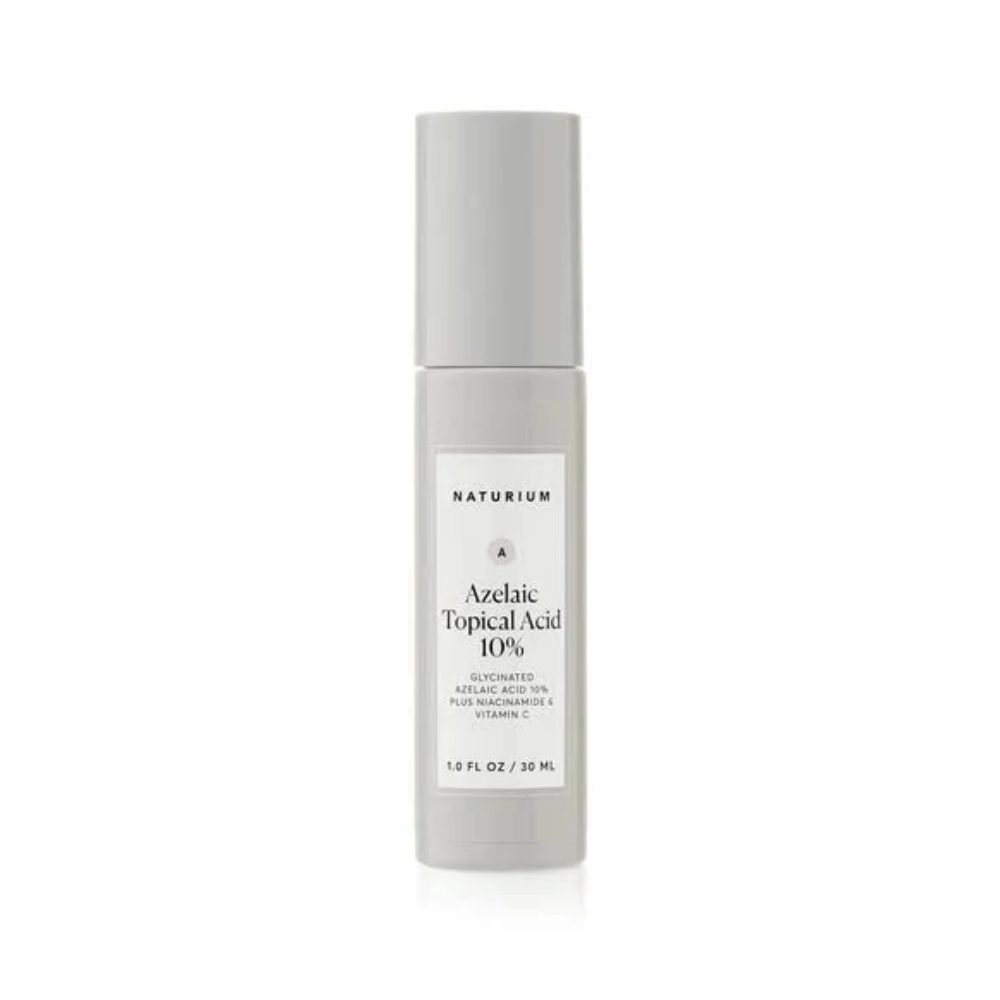
Naturium Azelaic Topical Acid 10%
Best for
Key InGREDIENTS
What makes this one genuinely clever is that it does the whole job in a single bottle. Azelaic acid is the workhorse, and it fully carries the results on its own, but Naturium has built in a supporting cast that means you are not layering three separate products to cover every angle. The niacinamide calms oil and inflammation, the vitamin C adds gentle brightening, and the hyaluronic acid keeps the delicate mouth area hydrated so nothing feels stripped. One step, every part of the concern covered.
It is also exactly the kind of formula this sensitive zone needs. The texture is a lightweight, almost gel-like serum that absorbs in seconds with minimal stinging, which matters around the mouth where skin is thin and reactive. It is fragrance-free, vegan, non-comedogenic and dermatologist tested, and it is clinically shown to improve tone and texture in eight weeks. At around twenty dollars, it is genuinely accessible for something you will use daily.
What I love:
It treats the marks and the breakouts that cause them at the same time, so it is working on the root and the result together. The fact that it is pregnancy-safe and gentle enough for twice-daily use makes it easy to commit to, and commitment is the whole game with pigment.
Worth knowing:
Like any azelaic acid, results build gradually, so give it a full eight to twelve weeks before judging it. Start a few times a week and increase as your skin adjusts, and always pair it with morning SPF or you will undo the progress.
Do Natural Remedies for Dark Spots Actually Work?
Some genuinely help, and a few popular ones do real harm. Here is the honest split.
Worth doing:
- Keep the area well moisturised and the barrier healthy, since a calm barrier is less prone to pigment.
- Eat a diet rich in antioxidants and vitamin C to support your skin from within.
- Given the PCOS link, lean into blood-sugar-friendly eating (protein, fibre, healthy fats), because it tackles the insulin resistance driving the breakouts in the first place.
Skip it:
- Rubbing lemon juice on your skin. It is everywhere in natural-remedy lists, but it is highly acidic, irritating, and can actually cause more pigmentation and even burns in sunlight.
- Other harsh DIY acids and scrubs. Around the delicate mouth area, these do more harm than good.
💡 THINK ABOUT IT
Natural support works best from the inside and gently from the outside. The food you eat and a healthy barrier genuinely help. The harsh DIY treatments that promise fast fading almost always backfire on this sensitive zone. Gentle and consistent beats aggressive every time.
How to Prevent Dark Spots Around the Mouth Coming Back
Fading the marks is only half the job. Preventing new ones is what gives you lasting results.
- Wear SPF every day, and do not miss the mouth area, reapply through the day, since this spot wears off with eating and drinking.
- Do not pick or squeeze breakouts, picking deepens the mark and spreads it. This is the single most reliable way to make PIH worse.
- Be gentle with hair removal, waxing and threading the upper lip can trigger pigment, so go carefully and soothe the area afterward.
- Keep the barrier healthy, a hydrated, non-irritated mouth area is far less prone to darkening.
- Address the breakouts at the source, fewer hormonal breakouts means fewer new marks, which is where managing the hormonal and insulin side genuinely pays off.
Dark Spots Around the Mouth: Your Questions Answered
Does the dark skin around my mouth mean I have PCOS?
Not necessarily. Darkening around the mouth is most often post-acne pigmentation or melasma, both of which can be driven by hormonal shifts and PCOS is one possible driver because it fuels the hormonal breakouts that leave marks behind. But plenty of people get these spots without PCOS, from sun exposure, friction or a compromised barrier. If you’re also noticing irregular periods, unwanted hair growth or persistent hormonal acne, it’s worth raising PCOS with your doctor, but the dark spots alone aren’t a diagnosis.
Can Hormones Cause Dark Spots Around the Mouth?
Yes, in two ways. Hormonal shifts can directly cause melasma, the symmetrical patches often seen on the upper lip, frequently triggered by pregnancy, birth control or conditions like PCOS. And indirectly, hormones drive the breakouts that leave post-inflammatory marks behind. For women with PCOS, both routes are common, which is why dark spots around the mouth are so frequently a hormonal story at heart.
How long does it take to fade dark spots around the mouth?
With consistent use of a brightening treatment and daily SPF, most people see visible fading in 8–12 weeks. Deeper or older marks take longer, and melasma tends to be the most stubborn. The non-negotiable is sun protection on the area, skip it and the pigment keeps getting re-triggered.
Are Dark Spots Around the Mouth Permanent?
No. Post-inflammatory hyperpigmentation and most hormonal pigmentation will fade with consistent treatment and daily sun protection, though it takes time, usually months rather than weeks. Melasma can be more stubborn and prone to returning with sun or hormonal changes, but it too improves significantly with the right approach. The key is patience and protecting the area from UV, which is what makes the fading stick.
Your Skin Is Telling You Something
Dark spots around the mouth are not a flaw you have to just live with, and they are not random. They are your skin responding to inflammation, hormones, sun and friction, often all at once. And for those of us with hormonal acne or PCOS, they are usually part of the same story as our breakouts, which means treating the whole picture, not just the surface, is what genuinely works.
Be patient with it. Protect the area, fade it gently, calm the breakouts at the source, and give it the weeks it needs. Your skin is not working against you. It is just asking for the right kind of care.