Hormonal acne in your 30s can feel confusing and frustrating, especially if your skin was relatively clear in your twenties. Breakouts that appear along the jawline, chin, or cheeks often seem to show up out of nowhere and can feel harder to manage than the acne many people experienced as teenagers.
I remember the moment I realised my skin wasn’t just “breaking out” randomly. Once I started learning about the hormonal patterns behind it, things finally started to make more sense.
The good news is that hormonal acne usually has identifiable triggers. Once you understand what’s causing it, choosing the right skincare and lifestyle approach becomes much easier.
🧠 Skin Insight
Hormonal acne is often linked to fluctuations in androgens, hormones that increase oil production in the skin. When oil production rises, pores can become clogged more easily, leading to breakouts around the jawline and chin.
What Is Hormonal Acne?
Hormonal acne is acne that is primarily triggered by fluctuations in hormones, especially androgens such as testosterone.
These hormonal shifts can increase oil production in the skin. When excess sebum combines with dead skin cells and bacteria, pores can become clogged and inflamed.
While hormonal acne is often associated with teenage years, it is more common for women to experience it again in their late twenties and thirties.
Common Hormonal Acne Pattern
• Jawline and chin breakouts
• Painful cystic pimples
• Monthly flare-ups
• Recurring breakouts in the same area
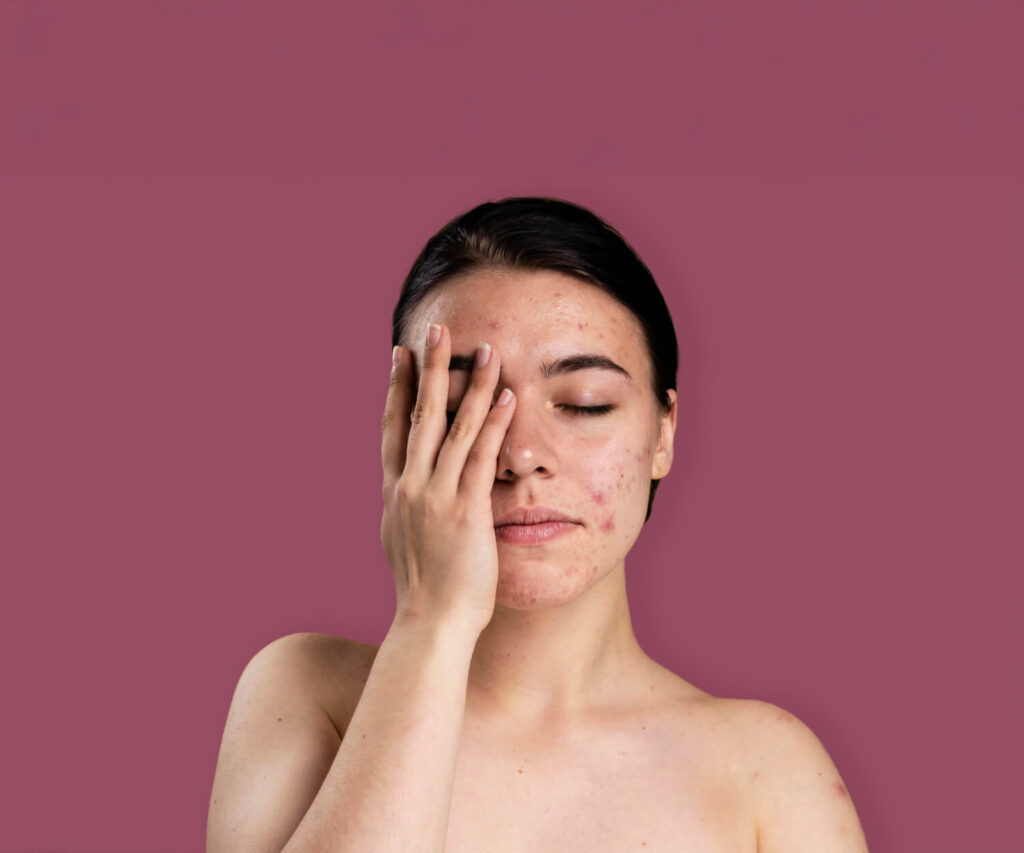
Why Hormonal Acne Appears in Your 30s
Many women are surprised when acne appears or worsens in their thirties. Several biological factors can contribute to this shift.
Hormonal fluctuations
Hormones such as estrogen, progesterone, and androgens naturally fluctuate throughout the menstrual cycle. When androgen levels increase, the skin may produce more oil, which can increase the likelihood of clogged pores.
Stress and cortisol
Stress increases cortisol levels in the body. Higher cortisol can influence other hormones and may also increase oil production in the skin.
Changes in birth control
Starting, stopping, or switching hormonal contraception can shift hormone balance in the body and may temporarily trigger breakouts.
Slower skin renewal
As we get older, skin cell turnover can slow slightly. Dead skin cells can accumulate more easily on the surface of the skin, which may contribute to clogged pores.
PCOS
For some women, hormonal acne may be linked to underlying hormonal conditions such as polycystic ovary syndrome (PCOS), which can increase androgen levels.
4 Skincare Ingredients That Help Hormonal Acne
Although hormonal acne starts internally, the right skincare ingredients can still make a big difference in how your skin looks and how quickly breakouts heal.
Some ingredients help unclog pores, others calm inflammation, and some help regulate excess oil production. When used consistently, they can reduce the severity of breakouts and help your skin look clearer over time.
Because each ingredient works a little differently, many effective routines combine a few of them. Below are four ingredients that are commonly recommended for hormonal acne.
This section contains affiliate links. As an Amazon Associate, I earn from qualifying purchases. If you purchase through one of these links, I may earn a commission at no additional cost to you. Learn more in Affiliate Disclosure.
1. Salicylic Acid
⭐ Best for: unclogging pores and reducing oil buildup
What it does
Salicylic acid is a beta hydroxy acid (BHA) that penetrates deep into the pores and dissolves excess oil and dead skin cells.
Because hormonal acne is often associated with increased sebum production, salicylic acid can be particularly helpful for preventing clogged pores and reducing inflamed breakouts. Used consistently, it can help keep pores clearer and reduce the formation of new blemishes.
How to use it
Salicylic acid is commonly found in exfoliating toners, serums, and spot treatments. Many people find that using it two to three times per week helps keep pores clear without irritating the skin.
A popular salicylic acid exfoliant
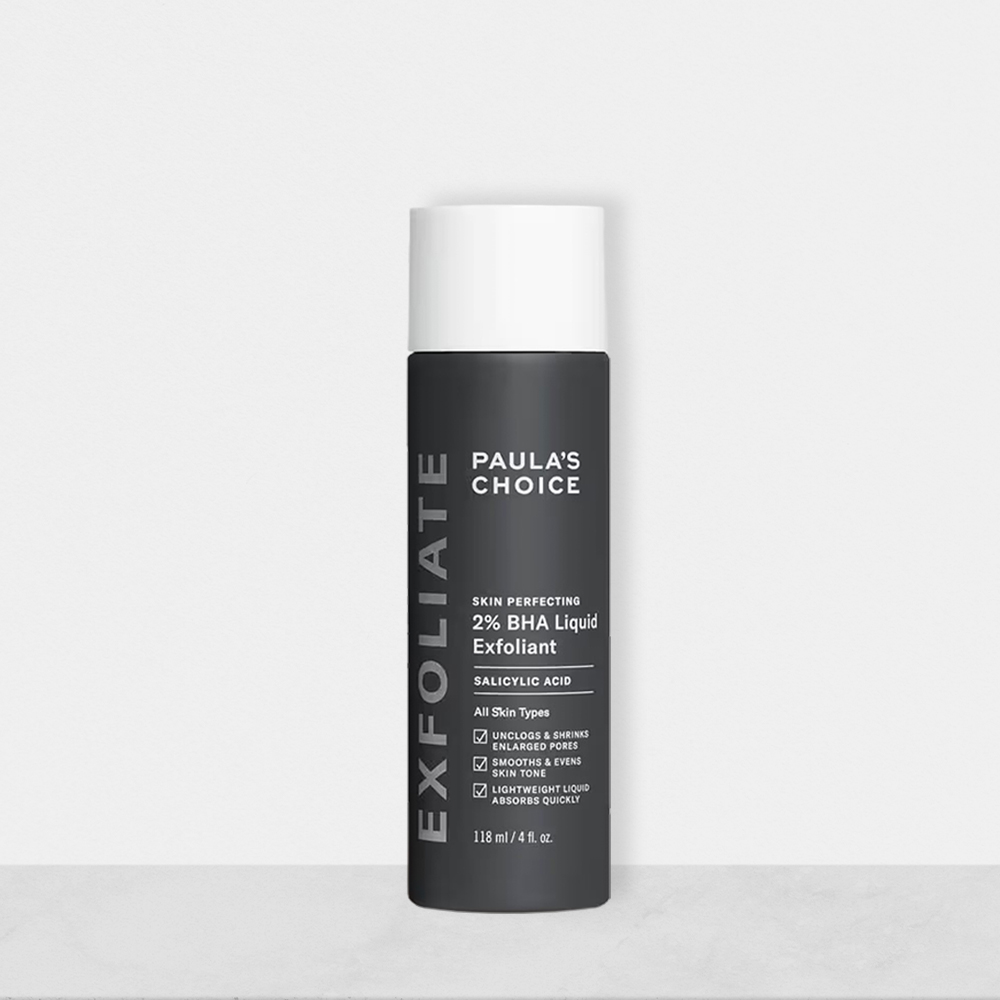
Paula’s Choice Skin Perfecting 2% BHA Liquid Exfoliant
This exfoliating treatment contains 2% salicylic acid and is widely known for helping unclog pores and improve skin texture without being overly harsh.
2. Azelaic Acid
⭐ Best for: calming inflammation and reducing redness
What it does
Azelaic acid is a gentle yet powerful ingredient that helps reduce inflammation and prevent clogged pores. It is often recommended for adult acne because it can also help improve the appearance of redness and post-acne marks. Many people find azelaic acid particularly helpful during hormonal flare-ups because it calms irritated skin while still supporting clearer pores.
How to use it
Azelaic acid is commonly used in creams or serums and is often gentle enough for daily use, depending on your skin sensitivity.
A widely used azelaic acid treatment
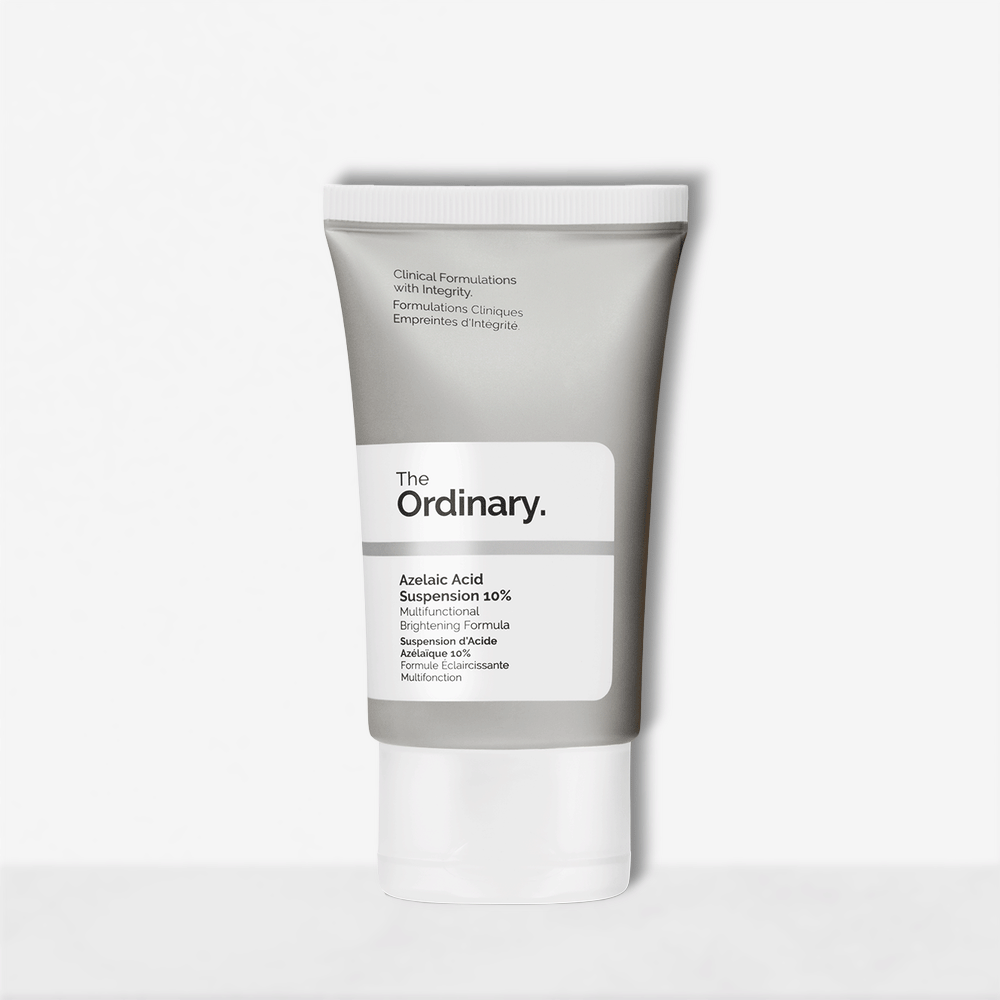
The Ordinary Azelaic Acid Suspension 10%
This lightweight cream contains 10% azelaic acid, an ingredient known for helping calm inflammation, reduce redness, and improve overall skin clarity.
3. Niacinamide
⭐ Best for: balancing oil production and strengthening the skin barrier
What it does
Niacinamide (vitamin B3) supports several aspects of skin health. It helps regulate oil production, strengthen the skin barrier, and reduce redness associated with breakouts. For people experiencing hormonal acne, niacinamide can help balance the skin without causing dryness or irritation.
How to use it
Niacinamide is commonly found in serums and moisturizers and can often be used daily as part of a gentle skincare routine.
A popular niacinamide serum
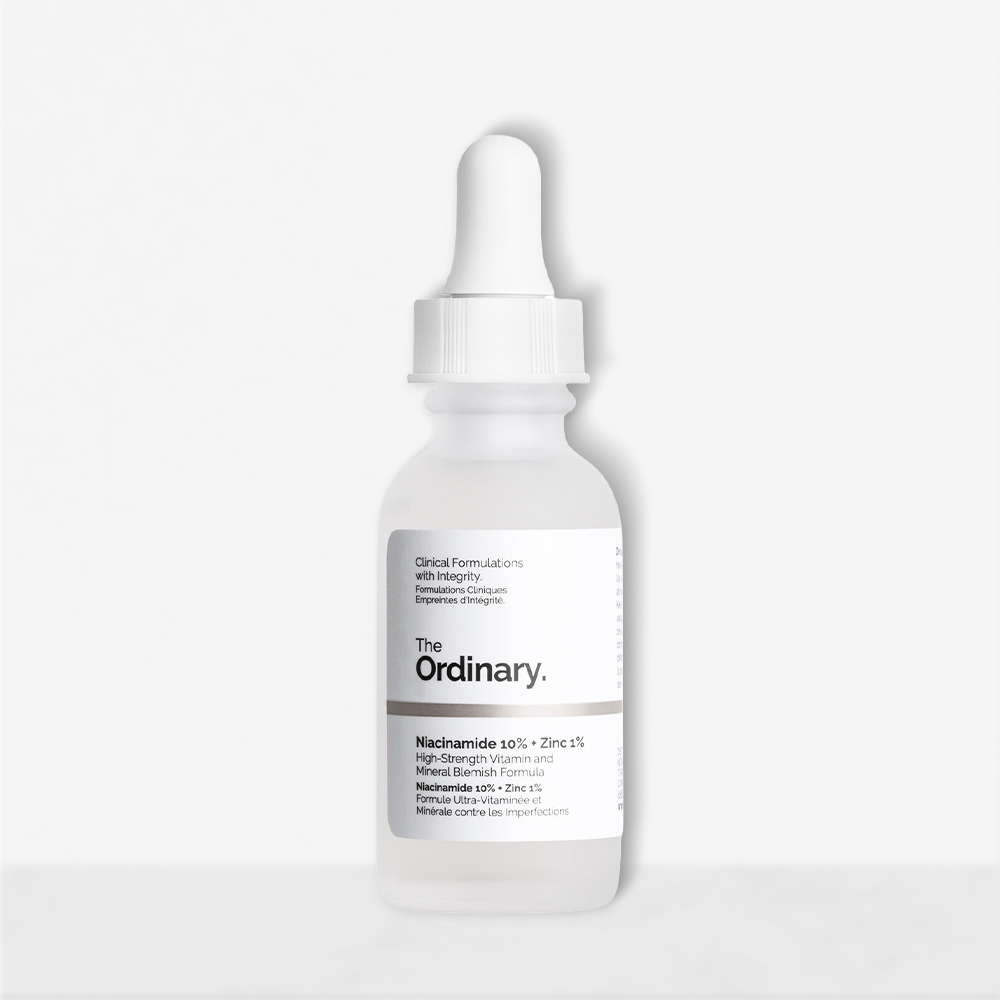
The Ordinary Niacinamide 10% + Zinc 1%
This lightweight serum combines niacinamide and zinc to help regulate excess oil, reduce the appearance of pores, and support a clearer-looking complexion.
4. Retinoids
⭐ Best for: preventing clogged pores and improving skin renewal
What it does
Retinoids are vitamin A derivatives that increase skin cell turnover. This helps prevent dead skin cells from accumulating inside pores. Over time, retinoids can reduce breakouts, smooth skin texture, and improve the appearance of post-acne marks.
How to use it
Because retinoids can be strong, they are usually introduced slowly into a skincare routine, often starting with two to three nights per week.
A beginner-friendly retinol treatment
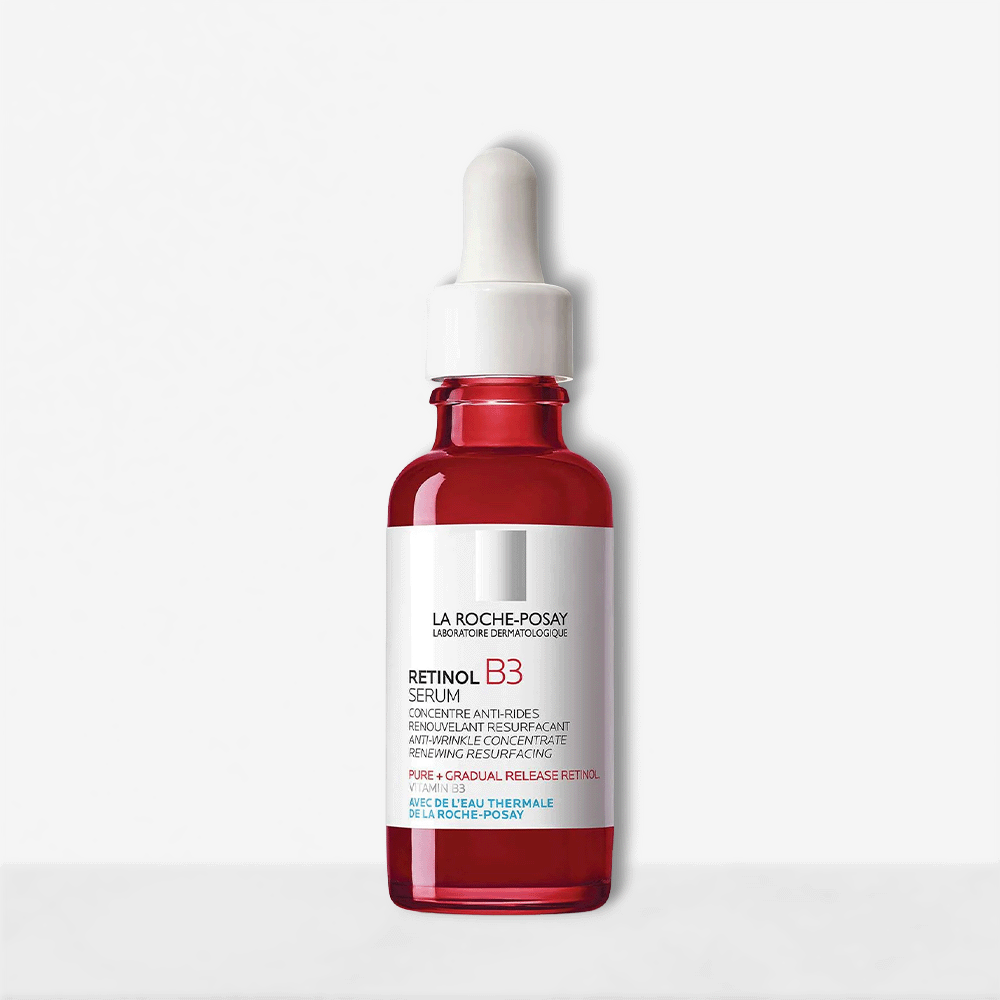
La Roche-Posay Retinol B3 Serum
This serum combines retinol with soothing ingredients to support skin renewal while remaining gentle enough for many people new to retinoids.
Understanding which ingredients work for hormonal acne can make it much easier to choose the right products.
💡 The key to managing hormonal acne
Hormonal acne is less likely to be solved by one product alone. A combination of targeted ingredients, consistent skincare routines, and understanding hormonal triggers usually leads to the best results.
What This Means for Your Skin
Hormonal acne in your 30s can feel unpredictable, especially when it appears long after the teenage years many people associate with breakouts. Because it is driven by internal hormonal fluctuations, it often requires a slightly different approach than typical acne.
While skincare cannot change the underlying hormones, the right ingredients can still play an important role in supporting how the skin responds. With a thoughtful and consistent skincare routine, it becomes much easier to calm inflammation, keep pores clear, and reduce the frequency of breakouts over time.
Understanding what is happening beneath the surface of the skin is often the first step toward finding an approach that actually works.
Note: This guide focuses on ingredients that are commonly recommended for hormonal acne. The product examples mentioned are simply well-known formulations that contain these ingredients.