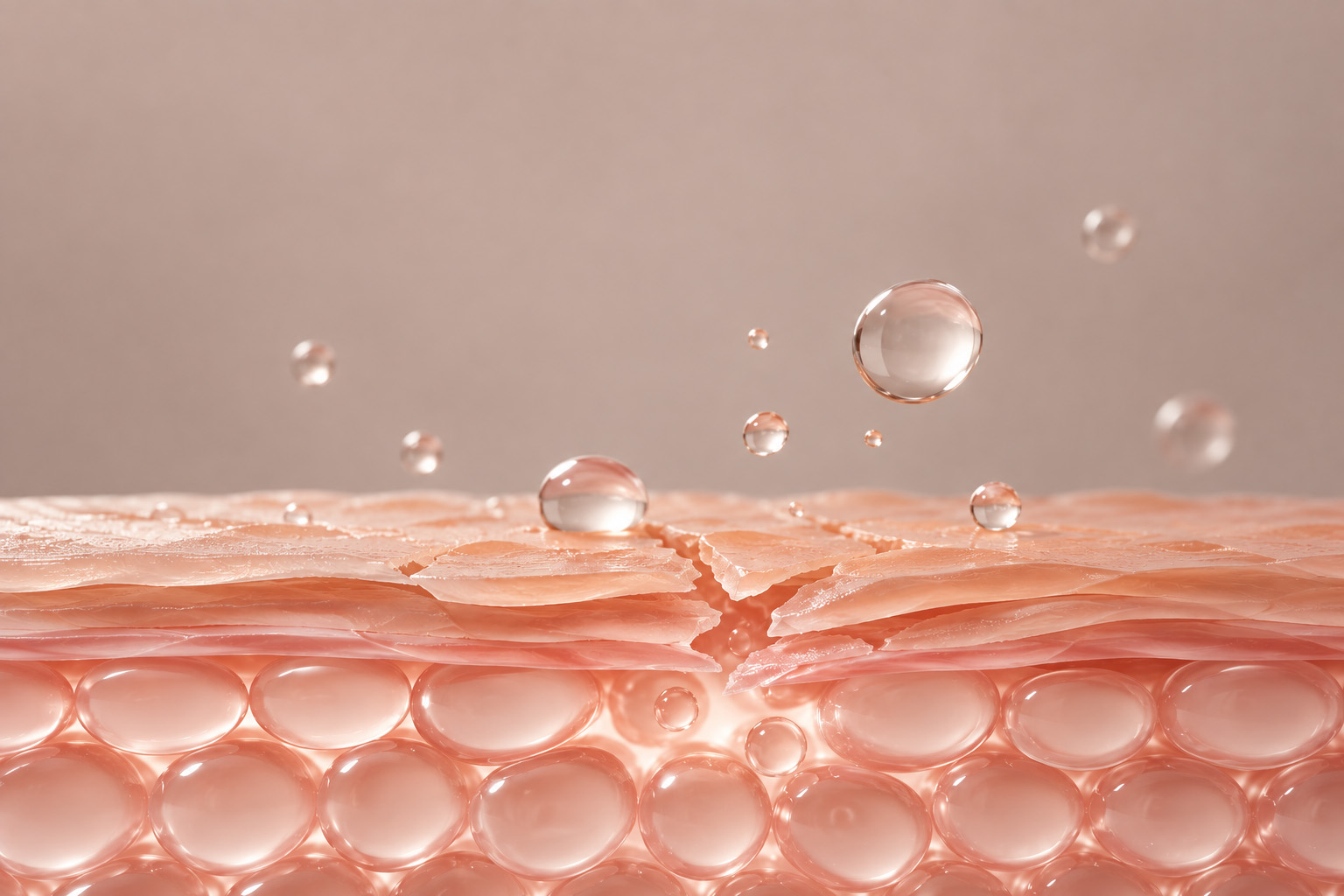
Has your skin been stinging, flaking, or breaking out more than usual, even though your routine has not changed? Here is how to repair a damaged skin barrier, without making hormonal acne worse in the process. Your barrier sits right at the surface of your skin, doing quiet work you never notice until it stops working. Once it is compromised, everything gets harder to manage. Your breakouts, your fine lines, even how tired your skin looks by the afternoon.
The frustrating part is that acne treatments and barrier damage are tangled together. The very ingredients that clear hormonal breakouts can wear the barrier down when you lean on them too hard. Your skin senses the damage and fights back with even more oil and even more breakouts. That tempts you to reach for even more treatment. It is a loop, and this article is going to help you break it.
Best Products to Repair a Damaged Skin Barrier (Quick View)
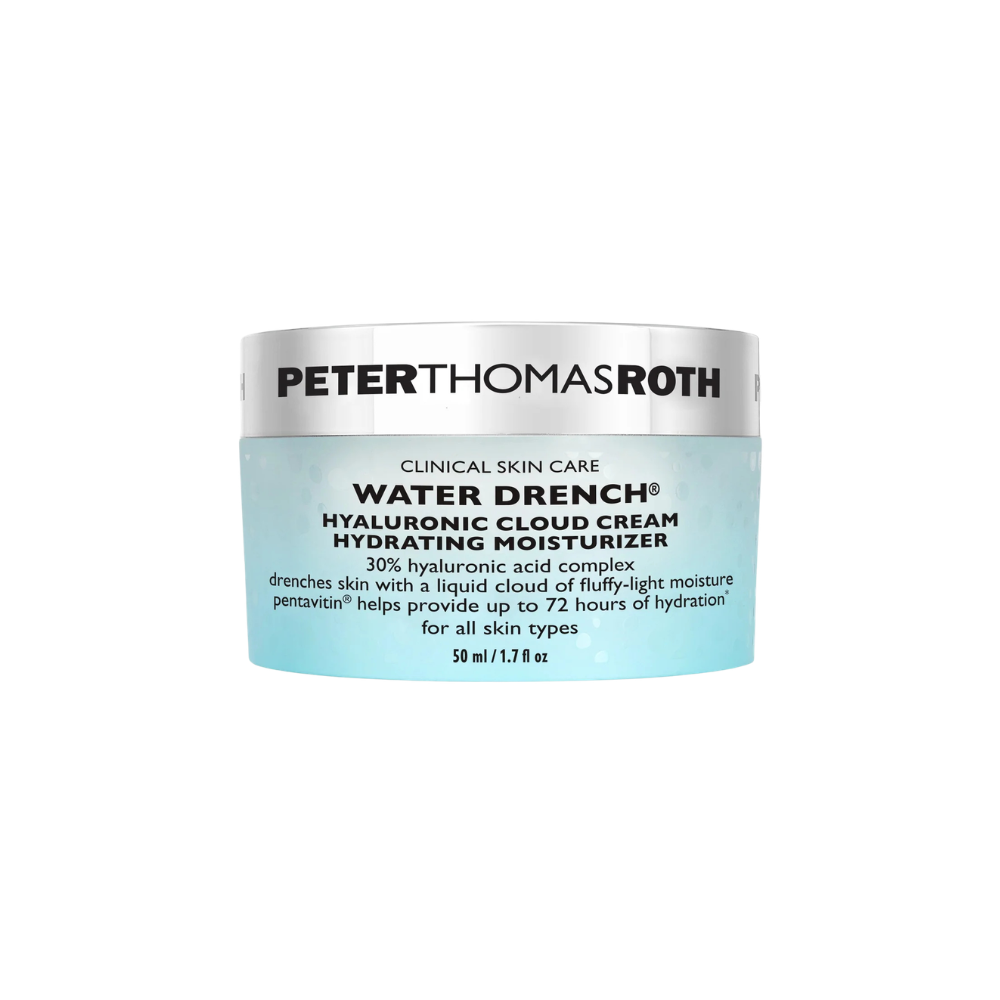
Best For Everyday Hydration
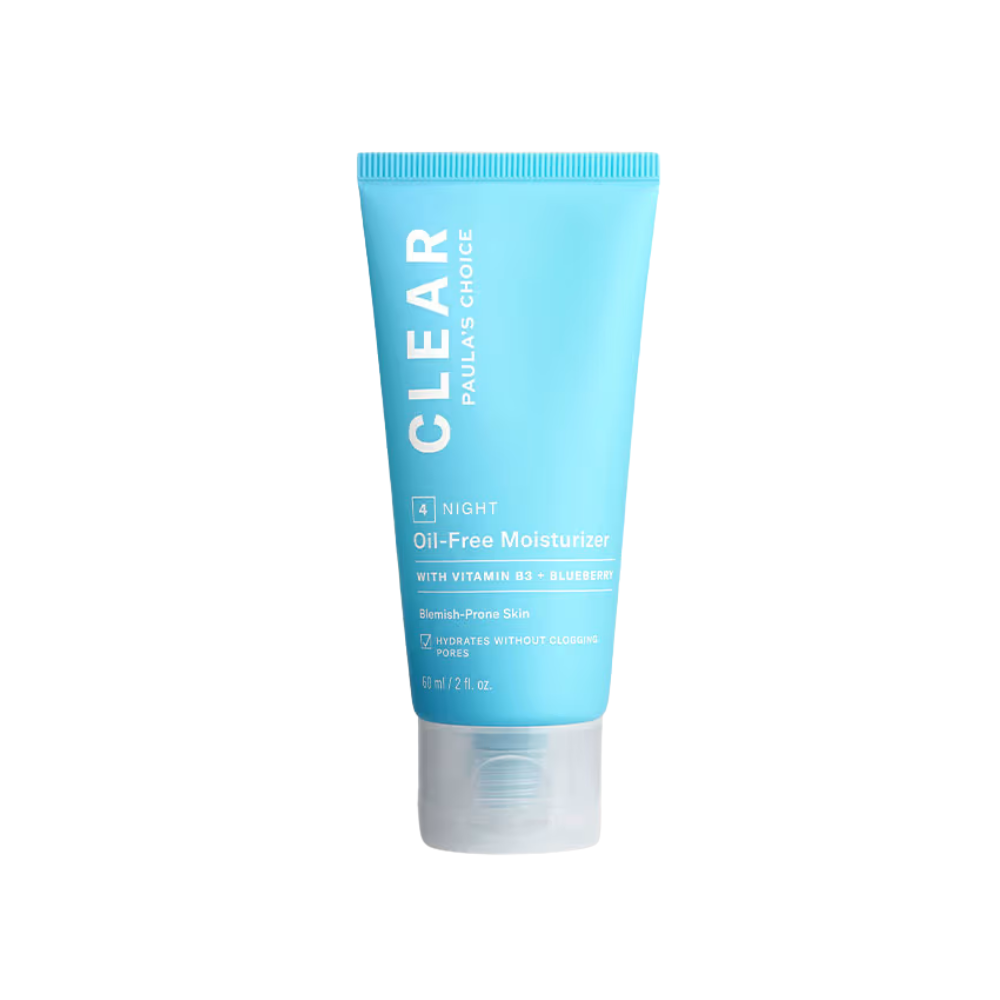
BEST FOR ACTIVE BREAKOUTS
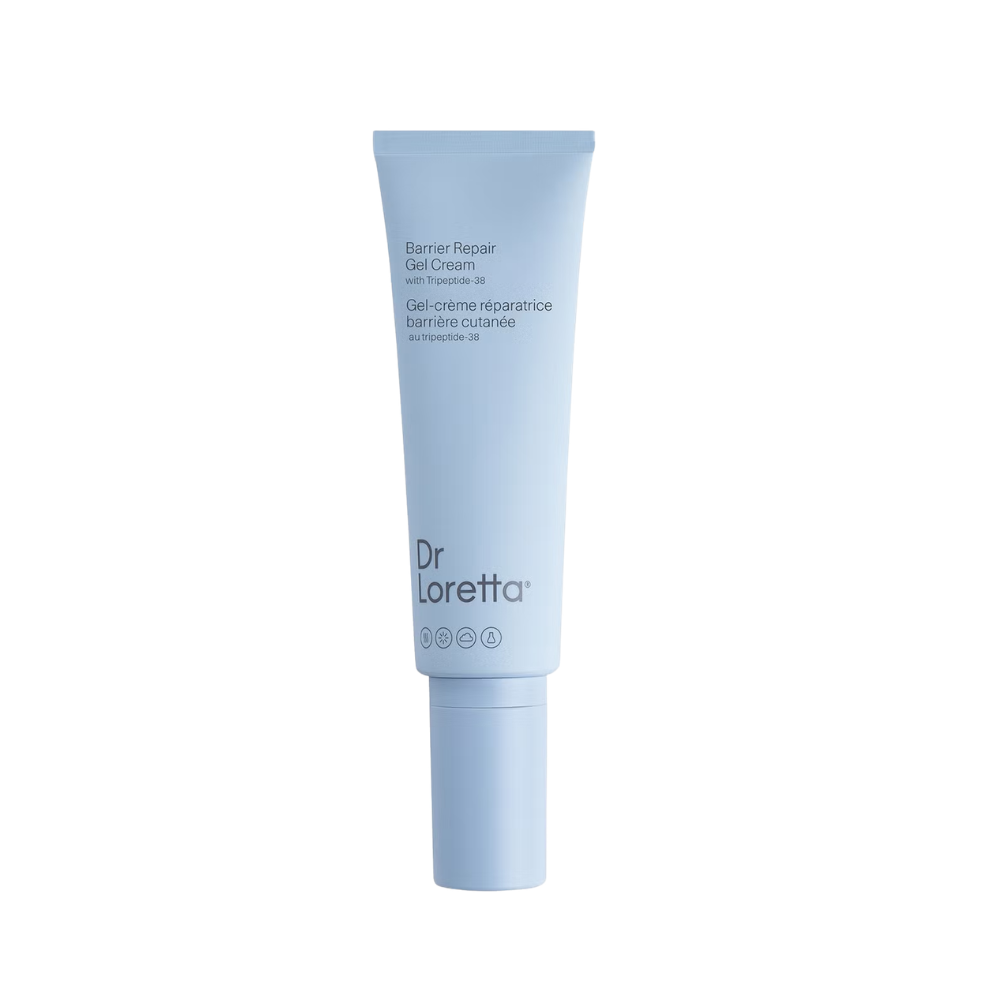
BEST FOR BARRIER REPAIR + AGING
How Do I Know If My Skin Barrier Is Damaged?
The clearest signs are stinging or redness from products that never bothered you before. Tightness, ongoing flaking, and a dull, tired look are also common, no matter how well you slept. Fine lines can look more noticeable too. A dehydrated barrier makes texture stand out more than it normally would. That is often why skin can suddenly look older overnight for no clear reason.
Some people also notice their skin feels rough. It can look slightly shiny in an unhealthy way, different from normal oily shine. The most counterintuitive sign is more breakouts, not fewer. When your barrier cannot hold onto water properly, your skin senses the dehydration and ramps up oil production to compensate. That extra oil mixes with dead skin cells and clogs pores. New breakouts show up in the exact areas you are already treating for acne.
What Causes a Damaged Skin Barrier?
Layering too many active ingredients at once is the most common cause I see. Retinoids, exfoliating acids, and benzoyl peroxide are all genuinely effective against hormonal acne. Using several together, every single day, wears the barrier down faster than it can repair itself. Ironically, that same overload often makes fine lines and dullness more noticeable too. That is the opposite of what you were going for.
Over-exfoliating is a close second. Physical scrubs and chemical exfoliants used too often strip away the very cells your barrier needs to stay intact. Harsh, foaming cleansers do similar damage. They strip natural oils along with dirt and makeup, and high-alcohol products do the same. Environmental stress adds to all of this too. Sun exposure, wind, and dry indoor heating all take a toll without you noticing day to day.
👁️ Skin Insight
Healthy skin sits at a pH of around 4.7 to 5, roughly as acidic as black coffee. That slight acidity is not an accident. It is part of what keeps acne-causing bacteria from taking over in the first place.
How to Repair a Damaged Skin Barrier
Start by pausing, not adding. Drop back to a gentle cleanser, a barrier-repairing moisturizer, and sunscreen only. Every active ingredient, including your acne treatments, goes on hold until your barrier calms down. I know that feels backwards when you are trying to treat acne and aging at the same time. But a calm barrier is what lets those treatments actually work later.
Look for a moisturizer built around ceramides, cholesterol, and fatty acids. These are the same lipids your barrier is made of. Glycerin, hyaluronic acid, and panthenol help pull in and hold onto water while those lipids rebuild. That same hydration is exactly what softens fine lines in the meantime. Once your skin feels calmer, reintroduce your actives one at a time. Wait about a week between each one so you can tell what your skin can handle.
How Long Does It Take to Repair a Skin Barrier?
Mild irritation from one or two harsh products is the easiest to fix. It usually calms down within 1 to 2 weeks of a gentler routine. More significant damage, built up over months of over-treating, can realistically take 6 weeks or longer to fully recover. Consistency matters more than speed here. Switching products again halfway through just resets the clock. As tempting as a quick fix sounds, patience is what actually gets you there faster.
What I Actually Reach For
Every pick below is fragrance-free and non-comedogenic, so you really cannot go wrong on the basics. What matters now is finding the one that fits your skin best.
This section contains affiliate links. As an Amazon Associate, I earn from qualifying purchases. If you purchase through one of these links, I may earn a commission at no additional cost to you. Learn more in Affiliate Disclosure.
1. Best For Everyday Hydration
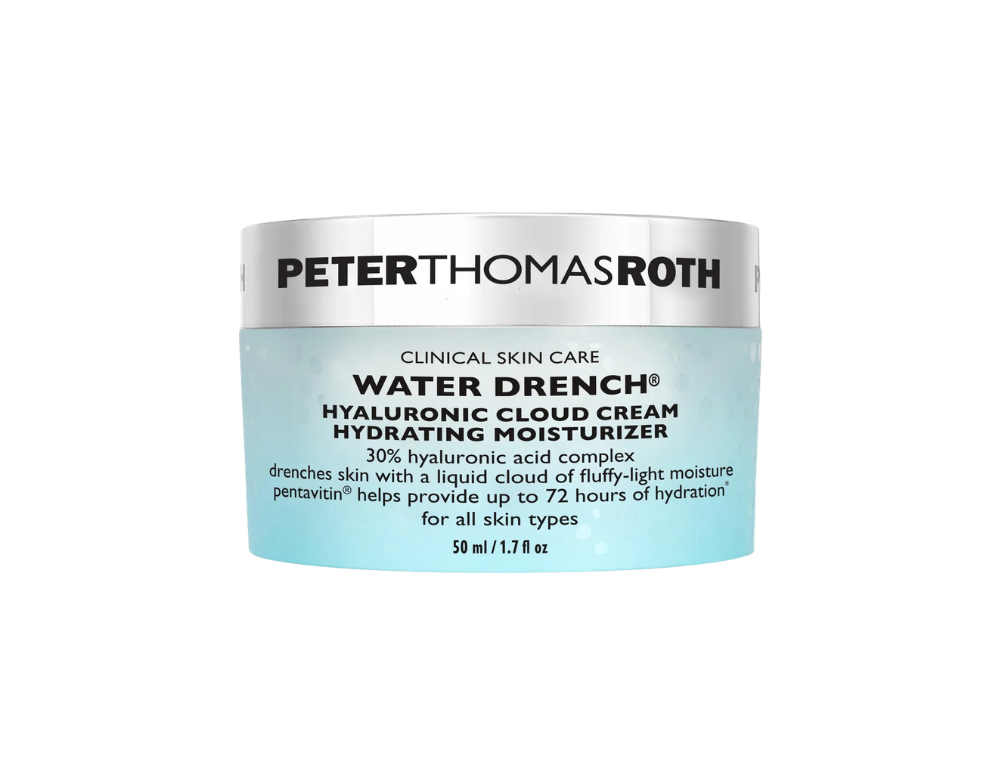
Peter Thomas Roth Water Drench Hyaluronic Cloud Cream ($55)
Key Benefits:
- Pentavitin (72-hour hydration)
- Fine lines
- Hyaluronic acid
This is the one I reach for on ordinary days. My barrier feels fine, and I just want it to stay that way. It is genuinely lightweight for how much hydration it holds. I like that it is doing double duty on fine lines while it works.
💜 What I love:
It never leaves that heavy, waxy film some richer creams do, even layered under sunscreen. The hyaluronic acid keeps skin comfortable all day, no reapply needed.
🧬 Worth knowing:
It is marketed for all skin types. If your skin runs very oily, patch test before committing to the full size.
2. Best For Active Breakouts
Paula’s Choice CLEAR Oil-Free Moisturizer ($42)
Key Benefits:
- Oily or combination skin
- Niacinamide
- Calms redness
If your barrier damage showed up alongside active breakouts, this is the more targeted pick. It is built specifically for acne-prone skin. It hydrates without adding the oil that got you into this situation in the first place.
💜 What I love:
The niacinamide treats oil and calms redness at the same time, not just moisturizing. It earns its spot even on days your barrier feels fine.
🧬 Worth knowing:
The texture is thinner and more serum-like than a traditional cream. It may not feel rich enough if your damage is more severe.
3. Best For Barrier Repair + Aging
Dr. Loretta Barrier Repair Gel Cream ($65)
Key Benefits:
- Ceramides
- Peptide for firmness
- Gel-cream texture
This is the one I would pick for a damaged barrier and early signs of aging at the same time. It is genuinely built for both, from a dermatologist-founded brand that clearly formulated it with sensitive, acne-prone skin in mind.
💜 What I love:
The gel-cream texture sinks in fast, so it never feels like a heavy step in an already crowded routine. It is still doing real repair work underneath.
🧬 Worth knowing:
It is the priciest of the three. Save it for when you need dedicated repair, not everyday maintenance.
How Do I Prevent Skin Barrier Damage in the First Place?
Choose pH-balanced products where you can, ideally in that 4.7 to 5.7 range mentioned earlier. Resist the urge to stack every active ingredient you own into one routine. Two or three genuinely effective ingredients, used consistently, beat five fighting each other on your skin. Your barrier pays you back with fewer breakouts and less of that tired, dull look.
If you are treating hormonal acne, gentler alternatives exist. They are far less likely to compromise your barrier in the first place. I go deeper on two of my favorites in Azelaic Acid for Hormonal Acne and Salicylic Acid for Acne. Both treat breakouts without the harshness of stronger options. Once your barrier is solid, The Best Anti-Aging Moisturizer for Oily Skin covers how to keep skin firm without overdoing it.
Fix the Foundation Before You Chase Clear Skin
Every acne treatment, every anti-aging serum, every expensive product in your routine depends on a healthy barrier to actually work. Skip that step, and you are treating symptoms while making the real problem worse underneath. That means both the breakouts and the fine lines you are trying to smooth out.
Really, that is how to repair a damaged skin barrier: you mostly just have to listen to it. Pay attention when a product that used to feel fine suddenly stings. Pull back when you need to, rebuild with the basics, and bring your actives back in slowly. Clear, calm skin was never about doing more. It was about protecting what is already working.