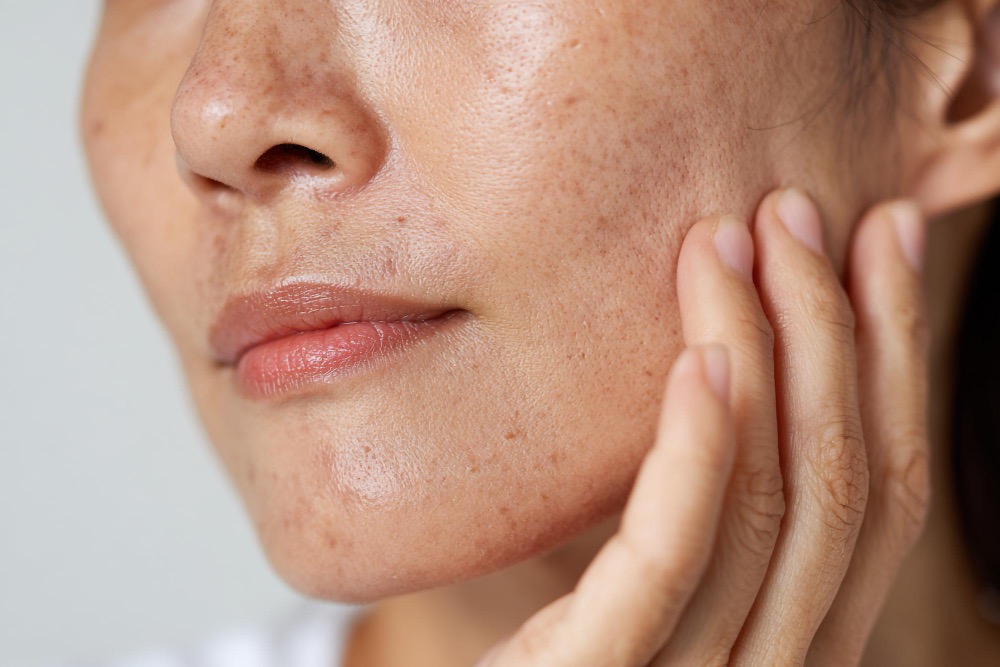
Can SPF really help fade dark spots, or does it just stop new ones from forming?
Both, actually. The real difference comes down to what is in your SPF and, honestly, how often you use it. That consistency is what finally gives the rest of your routine a real chance to work.
All those serums you have been so committed to, vitamin C, niacinamide, azelaic acid—just cannot keep up if your skin is making new pigmentation faster than they can slow it down. Pigmentation is simply the colour your skin makes, and when too much gathers in one spot, that is what turns into a dark mark. Your skin does this every single day, every time light touches your face. Even when you are indoors.
SPF is not a magic eraser for dark spots. But it is the step that finally lets everything else in your routine do what it is supposed to.
🧠 WORTH KNOWING
Your laptop and phone emit blue light, and research published in the Journal of Cosmetic Dermatology shows this can trigger increased pigmentation even when you are sitting at your desk. SPF formulas containing iron oxides or niacinamide offer meaningful protection against this. Making daily SPF genuinely useful even on days when you never step outside.
Find Your Match — SPF for Dark Spots
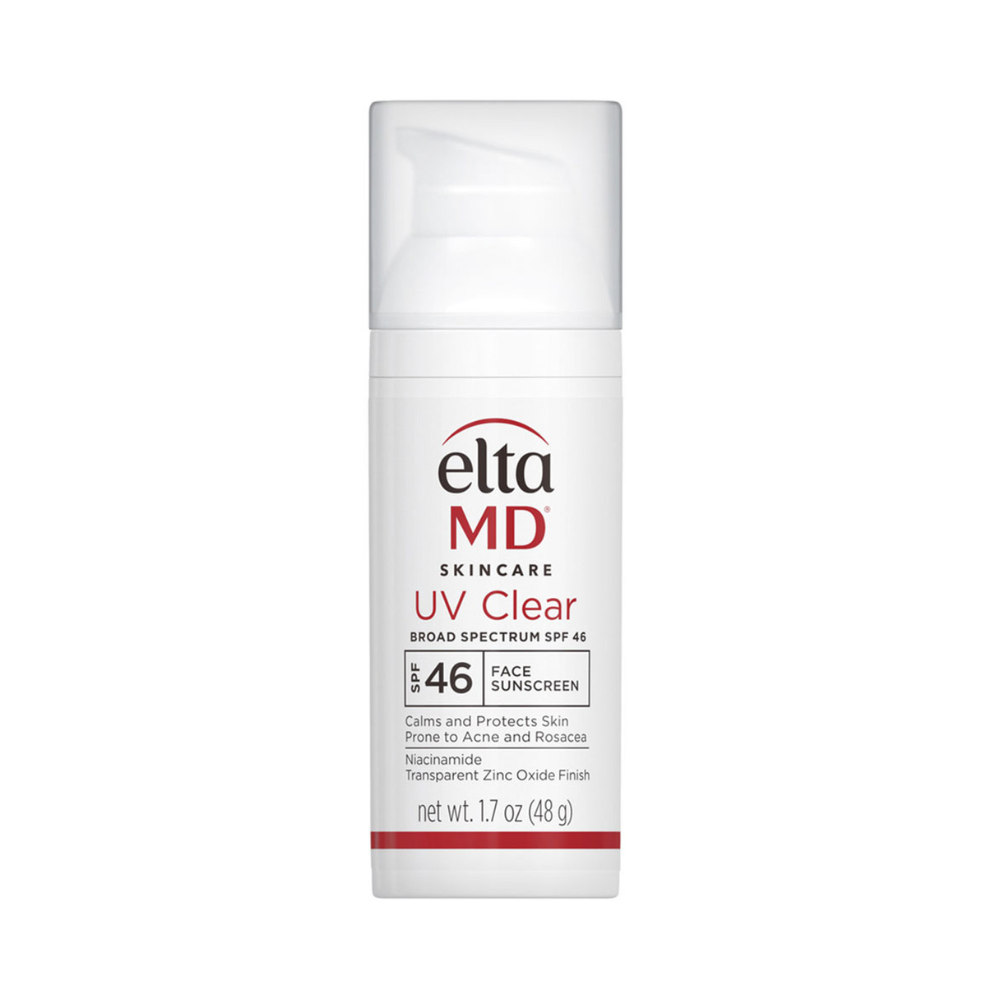 |
BEST FOR OILY AND BREAKOUT-PRONE SKINEltaMD UV Clear SPF 46 |
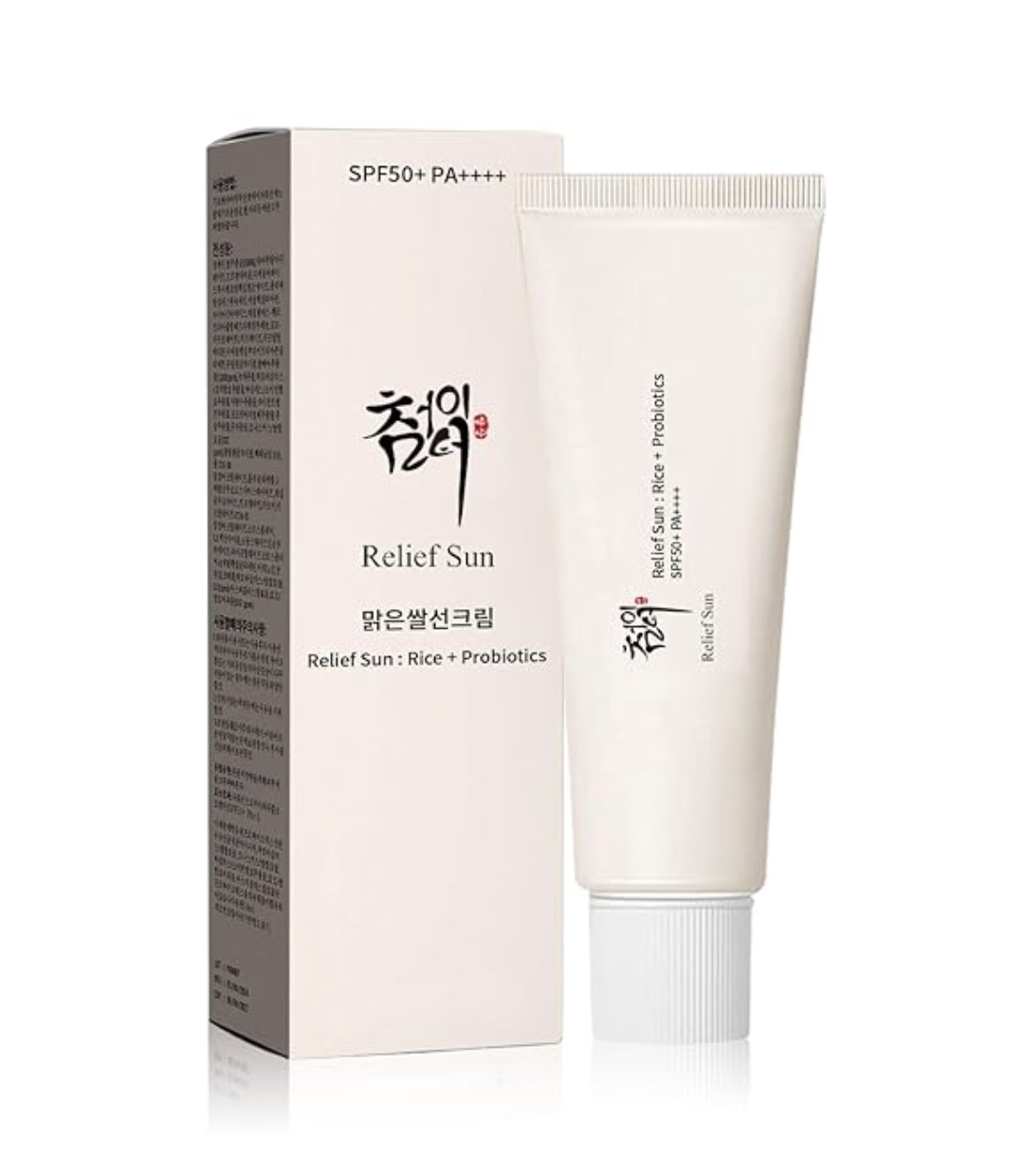 |
BEST UNDER MAKEUPBeauty of Joseon Relief Sun SPF 50+ |
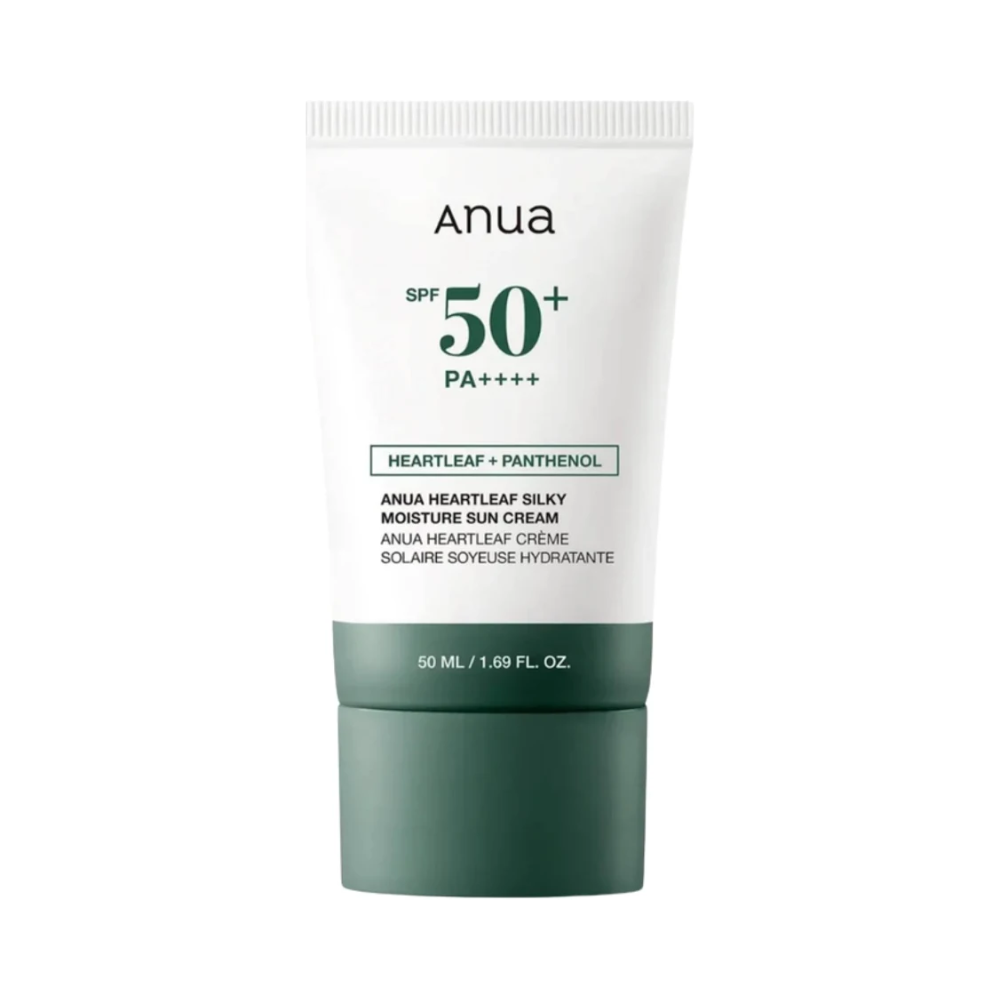 |
BEST FOR REACTIVE AND INFLAMED SKINAnua Heartleaf Watery Sun Cream SPF 50+ |
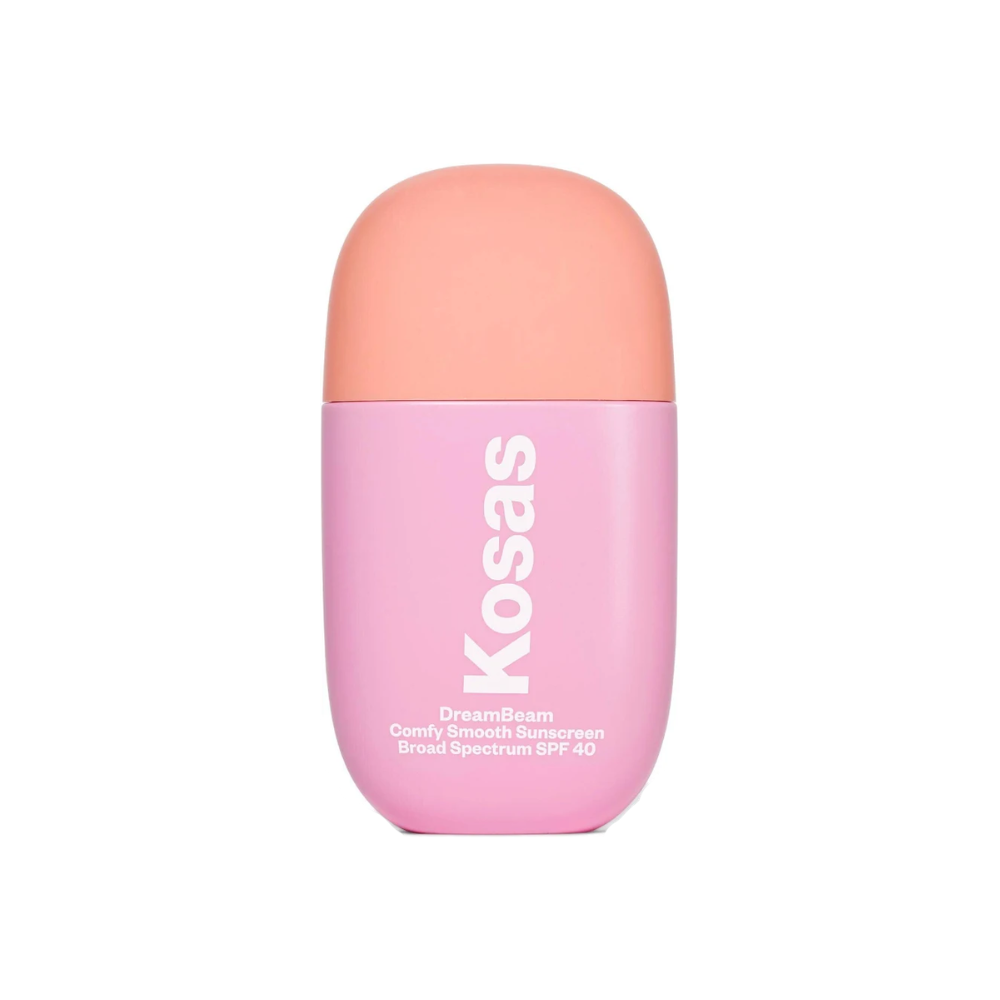 |
BEST PRIMER ALTERNATIVEKosas Dreambeam SPF 40 |
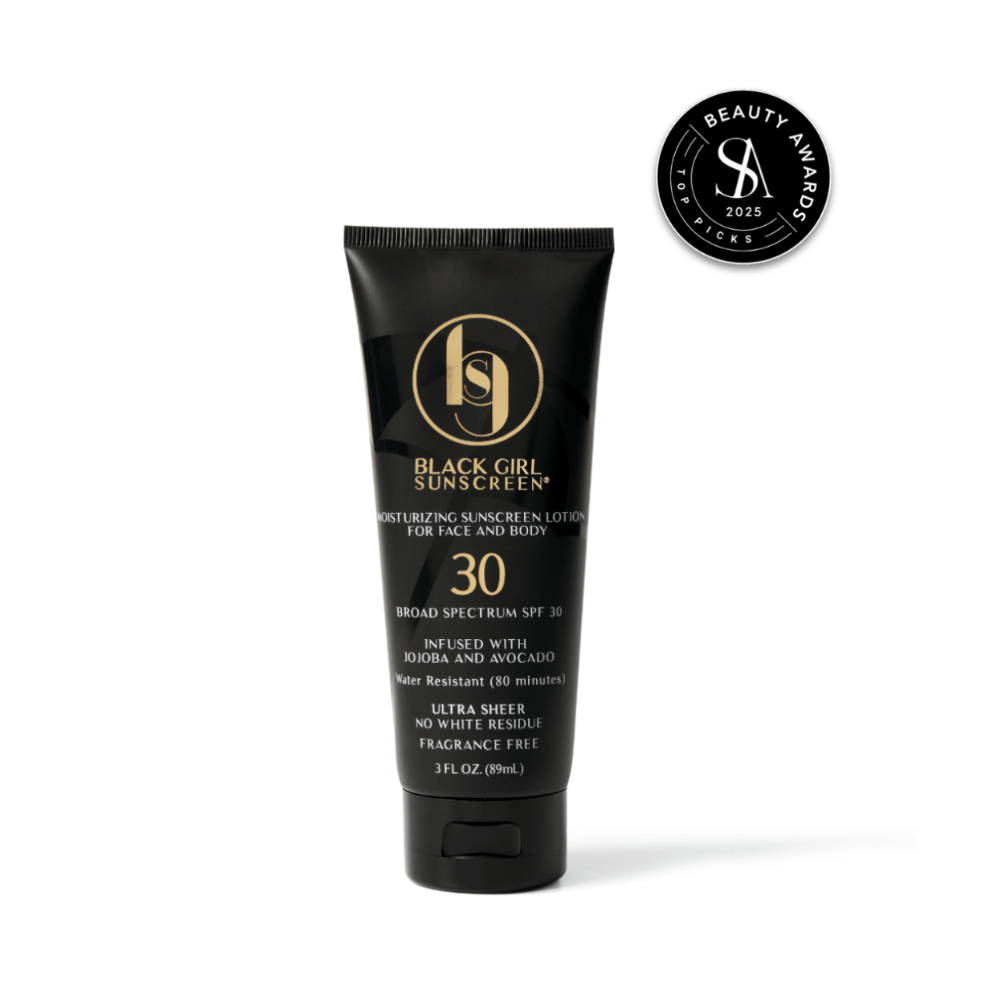 |
BEST FOR DEEPER SKIN TONESBlack Girl Sunscreen SPF 30 |
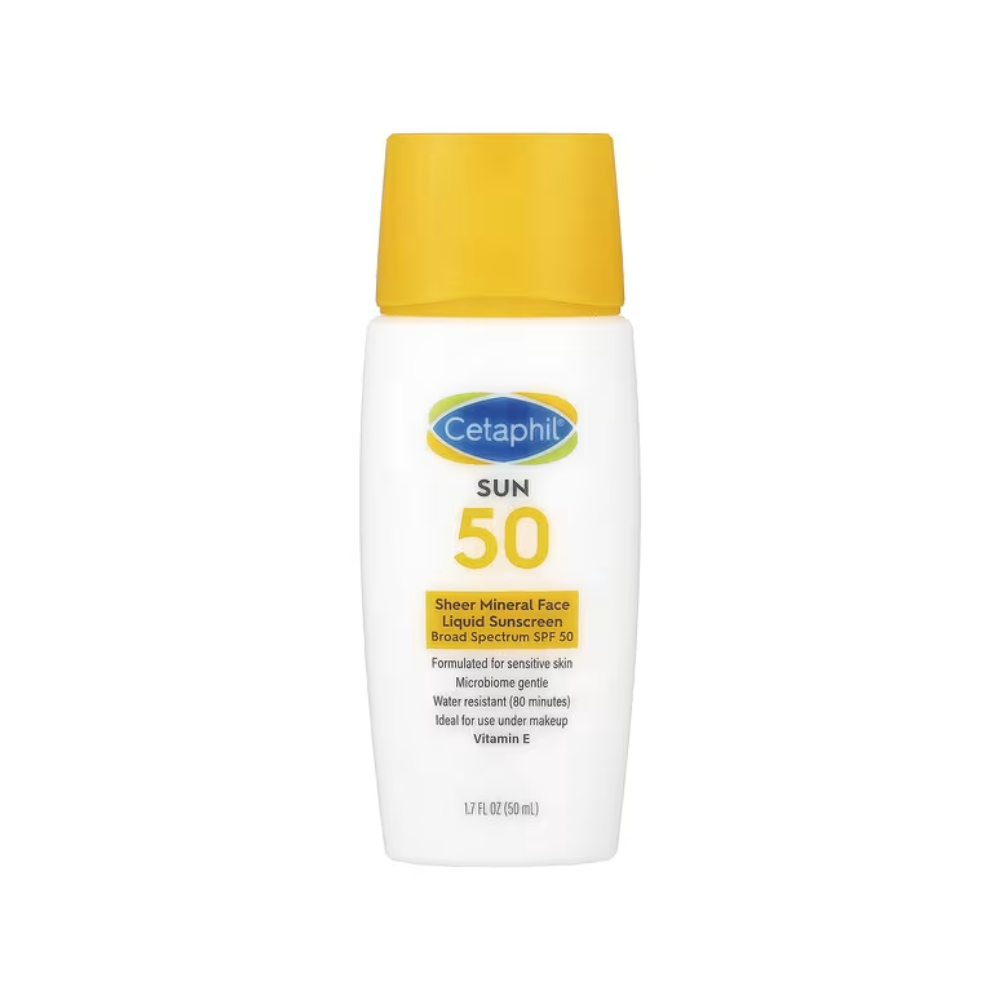 |
BEST BUDGET PICKCetaphil Sheer Mineral SPF 50 |
Why SPF Is the Most Important Step in Any Dark Spot Routine
Here is something most people do not realise: dark spots are not just about sun damage. They are your skin’s response to stress, a breakout, inflammation, hormonal changes, or UV exposure. When any of these happen, your skin produces excess melanin as a protective reaction. Melanin is simply the pigment responsible for skin colour, and it is what creates dark marks when it builds up unevenly.
The problem is, UV light keeps telling your skin to make more melanin—faster than any serum can clear it away. Without good sun protection, it is like trying to empty a glass while someone keeps pouring more in.
That is why SPF is the single most important step in any dark spot routine. Not because it fades marks all by itself, but because it finally breaks that cycle and gives your skin the breathing room it needs to heal.
👁️ Skin Insight
Most sunscreens block UV rays, but visible light makes up nearly half of what reaches your skin every day, and it is one of the biggest triggers for stubborn pigmentation. Formulas containing iron oxides protect against both. If your dark spots are frustratingly slow to fade, even when you are doing everything right, this might be the missing piece.
What to Look for on the Label
Not all SPFs perform equally when dark spots are your main concern. Here is what genuinely matters before you buy:
SPF 50 minimum.
The difference between SPF 30 and SPF 50 sounds tiny, 97% versus 98% of UVB rays blocked. But over months of daily use, that extra percentage really adds up to less pigmentation being triggered every single day. For dark spots, always go for 50.
Broad spectrum.
This means protection from both UVA rays (the ones that drive pigmentation and aging deep in the skin) and UVB rays (the ones that cause surface burning). Without both, you are only half covered.
Non-comedogenic.
This is especially important if you are dealing with post-breakout marks, which, for most women in their 30s, is the case. The last thing you want is an SPF causing new breakouts while you are trying to fade the old ones.
Niacinamide.
This ingredient works by slowing down how melanin spreads through the layers of your skin. Find it in your SPF and it is quietly doing that work all day, even when you are not thinking about it. Read more about what niacinamide does for your skin here: Is Niacinamide Good for Hormonal Acne?
Iron oxides.
Found in tinted sunscreens, these block visible light, something regular UV filters simply cannot do. If your dark spots are particularly stubborn, this is very likely the missing piece.
Fragrance-free.
Fragrance can quietly trigger inflammation in reactive skin, and inflammation is one of the main reasons post-breakout marks form and deepen in the first place.
⚡ QUICK TIP
The best SPF is the one you will actually reapply. Keep a small bottle on your desk, in your bag, or wherever you spend most of your day. Just one reapplication at lunchtime can make a real difference in how much pigmentation your skin makes by evening.
Mineral vs Chemical — What Actually Matters for Dark Spots
Mineral sunscreens use zinc oxide or titanium dioxide. They sit on top of your skin and physically block UV rays. They are also naturally calming, which really matters if you are dealing with the kind of low-level inflammation that makes dark spots worse over time.
Chemical sunscreens work differently. They absorb UV rays and turn them into heat. Some older chemical filters, especially oxybenzone, have raised questions about hormone disruption, which is worth knowing if your dark spots are hormonally driven. Newer formulas are much gentler and usually feel lighter on your skin.
If your skin is prone to dark spots and hormones are part of the picture, starting with a mineral formula is a smart move. If you prefer chemical, just make sure it is oxybenzone-free. We have covered exactly which filters to look for and avoid in our full tinted sunscreen guide.
The SPF’s Worth Your Time
EltaMD UV Clear Broad-Spectrum SPF 46
🧴 Key Ingredients: Zinc oxide 9%, niacinamide 5%, hyaluronic acid
If your skin breaks out and leaves marks behind, this is the one to reach for first. The 5% niacinamide tackles both sides of the problem simultaneously, it calms the redness that lingers after a breakout and quietly slows down the melanin production that turns those marks into months-long dark spots. The texture is genuinely weightless, it does not go shiny by midday, and it sits under makeup without pilling. Consistently the first recommendation from dermatologists for oily and acne-prone skin, and clinically proven to improve skin pigmentation and colour evenness.
What I love:
One of the very few SPFs that actively improves your skin while protecting it. For acne-prone skin that is already managing so much, that dual action genuinely matters.
Worth Knowing:
Contains octinoxate alongside zinc oxide so it is a mineral-chemical blend rather than pure mineral. Still oxybenzone-free and well-tolerated by reactive skin.
Beauty of Joseon Relief Sun: Rice + Probiotics SPF 50+ PA++++
⭐ Best For: Under makeup, all skin types
🧴 Key Ingredients: Rice extract, probiotics, advanced Korean UV filters
Korean sunscreens changed the SPF game by proving that sun protection doesn’t have to feel like a compromise, and this is one of the formulas that started that conversation in the West. It melts into skin without a trace, no white cast, no tackiness, no pilling under foundation. The rice extract brings a gentle brightening effect over time and at this price point, reapplying generously is a complete non-issue. The formula uses some of the most advanced UV filters available globally, widely used across Asia and Europe, which is a big part of why the texture feels so far ahead of most Western SPFs.
What I love:
It proves that reapplying SPF does not have to be a chore. When a formula feels this good, you actually want to put it on again at lunchtime, and that consistency is where the real dark spot protection happens.
Worth Knowing:
Uses chemical filters rather than mineral. Oxybenzone-free and very well tolerated, but if you are strictly mineral-only, look at the options below.
Anua Heartleaf Watery Sun Cream SPF 50+
⭐ Best For: Dark spots, reactive and inflamed skin
🧴 Key Ingredients: Heartleaf extract, centella asiatica, mineral-chemical UV blend
If your skin is mid-breakout, constantly irritated, or always reactive, most SPFs feel like one more thing that makes it worse. This one does the opposite. Heartleaf and centella asiatica are both clinically supported for their ability to calm inflammation, and inflammation is one of the main reasons post-breakout marks form and deepen in the first place. The texture is almost water-like, absorbs instantly, and never feels heavy on skin that is already struggling. For reactive hormonal skin that has given SPF a try before, start here.
What I love:
It is genuinely soothing rather than just neutral. On days when your skin is flaring, this feels like giving it something that actually helps rather than just ticking a box.
Worth Knowing:
Relatively new to the Western market so less widely reviewed than some other picks, but the ingredient evidence is solid, and the Korean skincare community has embraced it strongly.
Kosas Dreambeam SPF 40
⭐ Best For: Primer alternative, combination skin and dark spots
🧴 Key Ingredients: 100% mineral filters, niacinamide, peptides
If you have been looking for a mineral SPF that actually behaves like a primer, this is it. It grips foundation, gives the skin a soft blur, and offers a finish that oily and combination skin genuinely enjoys, no heaviness, no shininess by noon. The niacinamide and peptides mean it is quietly working on dark spots and early fine lines while protecting. Mineral protection without any of the chalkiness that usually comes with it. One less step and one less product, which for a busy routine, makes a genuine difference.
What I love:
It replaces two steps in your routine without compromising on either. That kind of efficiency is rare in SPF and rare in skincare generally.
Worth Knowing:
SPF 40 rather than 50, the only formula on this list that does not hit the 50 threshold. For maximum dark spot protection, reapplication is especially important with this one.
Black Girl Sunscreen SPF 30
⭐ Best For: Deeper skin tones, dark spots and hyperpigmentation
🧴 Key Ingredients: Avocado, jojoba, cacao, sunflower oil, broad spectrum SPF 30
Built specifically for and by women with deeper skin tones — and it shows in every detail of the formula. No white cast, no grey residue, no chalky finish. Just broad spectrum protection that disappears into melanin-rich skin the way SPF always should have. The nourishing blend of avocado, jojoba, and cacao keeps skin hydrated throughout the day while the formula sits weightlessly, making it genuinely easy to reapply when it counts. Oxybenzone-free, fragrance-free, and non-comedogenic. At $16 it is also one of the most accessible SPFs on this list, which matters because the SPF you will actually use consistently is always the right one
What I love:
It was built from the ground up for deeper skin tones rather than adapted from a formula that was never designed with melanin-rich skin in mind. That intention is visible in the result.
Worth Knowing:
This is a chemical rather than mineral formula, which means it does not contain iron oxides for visible light protection. If blue light and visible light triggering your dark spots is a specific concern, pair it with a niacinamide serum underneath for added pigmentation support.
Cetaphil Sheer Mineral SPF 50
⭐ Best For: Sensitive skin and dark spots, best budget
🧴 Key Ingredients: 100% mineral zinc oxide, broad spectrum
Mineral protection at a price that makes reapplying every day a total non-issue. The formula is truly sheer, sits comfortably on sensitive and reactive skin, and skips the chalky finish that usually puts people off mineral SPF. No unnecessary extras, no hidden irritants—just reliable broad-spectrum protection that gives everything else in your routine the space it needs to work. It is the perfect starting point if you are new to SPF or just want an affordable everyday backup that does not compromise on coverage.rage.
What I love:
At this price, you stop rationing it. And stopping rationing your SPF might be the single most impactful change you can make for your dark spots right now.
Worth Knowing:
The finish is more matte than dewy, which works beautifully for oily skin but may feel slightly flat for dry skin types. Layer a hydrating serum underneath, and it sits perfectly.
Your Glow Is Worth Protecting
The best SPF for dark spots is ultimately the one you will actually wear every single day. Not just in summer, not just when you are heading outside, every day, because light reaches your skin whether you notice it or not.
The protection you build now will show up in how your skin looks and feels in the months ahead. Your serums will finally get to do their job. Your dark spots will have the space to fade. And your skin will thank you for it.