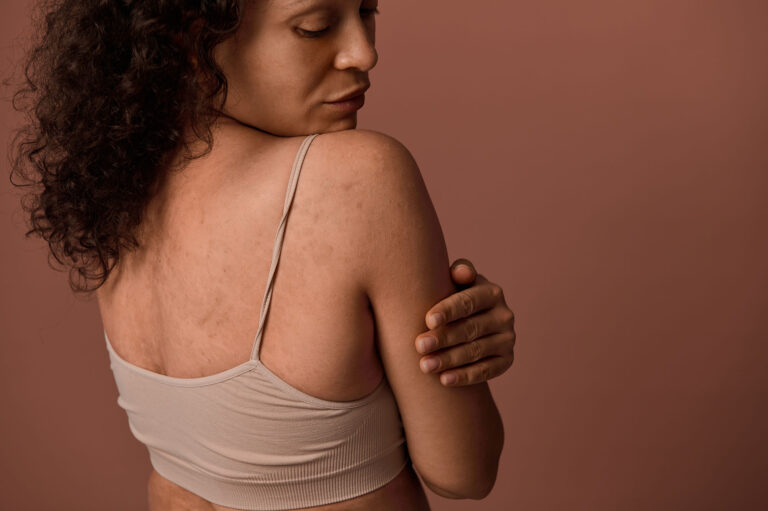
You have a solid skincare routine. You cleanse, moisturize, and avoid touching your face. Despite this, breakouts appear every month, same place, same time. If this is familiar, your menstrual cycle is likely the cause. Knowing each phase is the first step to managing it.
This article covers how hormones affect your skin monthly and what steps you can take in skincare and lifestyle to reduce flare-ups.
Why hormones cause breakouts in the first place
Hormonal acne is driven primarily by androgens, a group of hormones that includes testosterone. When androgen levels rise, they signal the sebaceous glands in your skin to produce more sebum (oil). More oil means more opportunity for pores to become blocked, and blocked pores create the conditions where acne-causing bacteria thrive.
In women, androgen levels change throughout the menstrual cycle, which is why breakouts often follow a pattern. The key hormones to know are oestrogen, progesterone, and testosterone. How these rise and fall each month directly affects your skin [American Academy of Dermatology].
Hormonal acne in your 30s tends to appear along the lower face, the jawline, chin, and cheeks because the sebaceous glands in these areas are particularly sensitive to hormonal shifts. Unlike the T-zone breakouts common in teenage acne, adult hormonal breakouts tend to be deeper, more cystic, and slower to heal.
Understanding your cycle as a skin tool
Your menstrual cycle has four main phases, each with its own hormonal changes. Each phase affects your skin differently, so your skin’s needs change throughout the month, too.
When you know what’s happening with your hormones at each stage, you can stop just reacting to breakouts and start working with your cycle to help prevent them before they start. Let’s walk through each phase in detail below.
PHASE 1
Menstruation Day (Days 1 to 5)
At the start of your cycle, both oestrogen and progesterone drop to their lowest levels. This hormonal dip is what triggers your period, and it is also often the point when breakouts feel at their worst.
When oestrogen is low, your skin loses some of its natural plumpness and ability to hold moisture. You might notice your skin feels more sensitive, dull, or reactive during this phase. The breakouts you see now started forming beneath the surface during the luteal phase (more on that below). They are just becoming visible at this point.
What to do during menstruation:
SKINCARE
Focus on gentle, barrier-supporting products. This is not the time to introduce new actives or aggressive treatments. A fragrance-free cleanser, a hydrating moisturiser, and a calming serum are your best tools. If you use Niacinamide, this is a good phase to lean on it. It helps calm redness and supports the skin barrier without irritating already-sensitised skin.
LIFESTYLE
Prioritise sleep and try to cut back on inflammatory foods when you can. Sugar, refined carbs, and dairy have all been linked to more sebum production [NLM]. Even small changes during this phase can help reduce breakouts
PHASE 2
The follicular phase (Days 6 to 13)
After your period ends, oestrogen begins to rise steadily as your body prepares to release an egg. This is generally the best phase for your skin. Higher oestrogen levels stimulate collagen production, improve moisture retention, and give skin a natural glow. Breakouts tend to calm down, skin feels more balanced, and your complexion is at its clearest.
This is the best time to introduce or increase your use of active ingredients.
What to do during the follicular phase:
SKINCARE
If you use Retinoids, this is a good phase to use them more consistently. Exfoliating acids, such as Salicylic acid, can also be used here to keep pores clear and prevent the build-up that can lead to breakouts later in the cycle. Do not over-exfoliate, two to three times a week is sufficient for most skin types.
LIFESTYLE
Your energy is usually higher during this phase. Exercise helps regulate cortisol and insulin, which both affect hormonal balance and skin health. Staying active all month, not just now, is one of the most underrated ways to manage hormonal acne [NLM].
PHASE 3
Ovulation (Days 14 to 16)
Around the middle of your cycle, oestrogen peaks just before ovulation and then drops quickly. At the same time, testosterone briefly surges. For some women, this spike in testosterone causes a small wave of breakouts, especially along the jawline, even if the skin was clear just days earlier.
This phase is short, but if you notice a pattern of mid-cycle breakouts, the ovulation testosterone surge is likely the cause.
What to do during the ovulation phase:
SKINCARE
Keep your routine consistent. If you are prone to mid-cycle breakouts, consider using a targeted spot treatment containing Salicylic acid or Azelaic acid on areas that tend to break out. These ingredients work to unclog pores and reduce inflammation without over-drying the skin..
LIFESTYLE
Stress worsens hormonal fluctuations. If your mid-cycle breakouts often happen during stressful times at work or in life, it is not a coincidence. Cortisol, the stress hormone, directly increases sebum production. Managing stress with regular sleep, movement, and mindfulness is not just good advice, it really does help your skin [Angeline Yong Dermatology].
PHASE 4
The luteal phase (Days 17 to 28)
This phase is the most important for understanding monthly hormonal breakouts. After ovulation, progesterone rises a lot. Progesterone increases sebum production, makes pores look larger, and can leave skin feeling oilier and more congested. At the same time, oestrogen is lower compared to progesterone, so its balancing effect on the skin is reduced.
In the final days before your period, both hormones drop sharply. This drop triggers inflammation in the skin, which is why deep, cystic breakouts often surface right before and during menstruation.
The breakouts you see during your period were largely set in motion during this phase. This means that what you do during the luteal phase has a significant impact on how severe your pre-menstrual breakouts will be.
What to do during the luteal phase:
SKINCARE
Switch to a lighter moisturiser if your skin feels oilier than usual. Increase your use of Salicylic acid to keep pores clear, and consider adding Niacinamide to your routine to regulate sebum and reduce the appearance of pores. Avoid heavy, occlusive products that can trap oil and contribute to congestion.
This is also the phase to be most consistent with your routine. Skipping cleansing, sleeping in makeup, or disrupting your routine during this phase will compound the hormonal activity already working against your skin.
LIFESTYLE
Try to eat fewer high-glycaemic foods and less dairy during the luteal phase. Both can spike insulin and androgens, making the sebum surge from progesterone even worse. Foods rich in zinc, like pumpkin seeds, chickpeas, and cashews, help regulate hormones and have been shown to reduce acne severity. [NLM]
Magnesium is another supplement to consider. It supports progesterone balance and may help reduce PMS-related skin flare-ups. Always talk to a healthcare professional before adding supplements to your routine.
Lifestyle habits that make a consistent difference
Beyond adjusting your routine by phase, there are habits that support hormonal balance throughout the entire month:
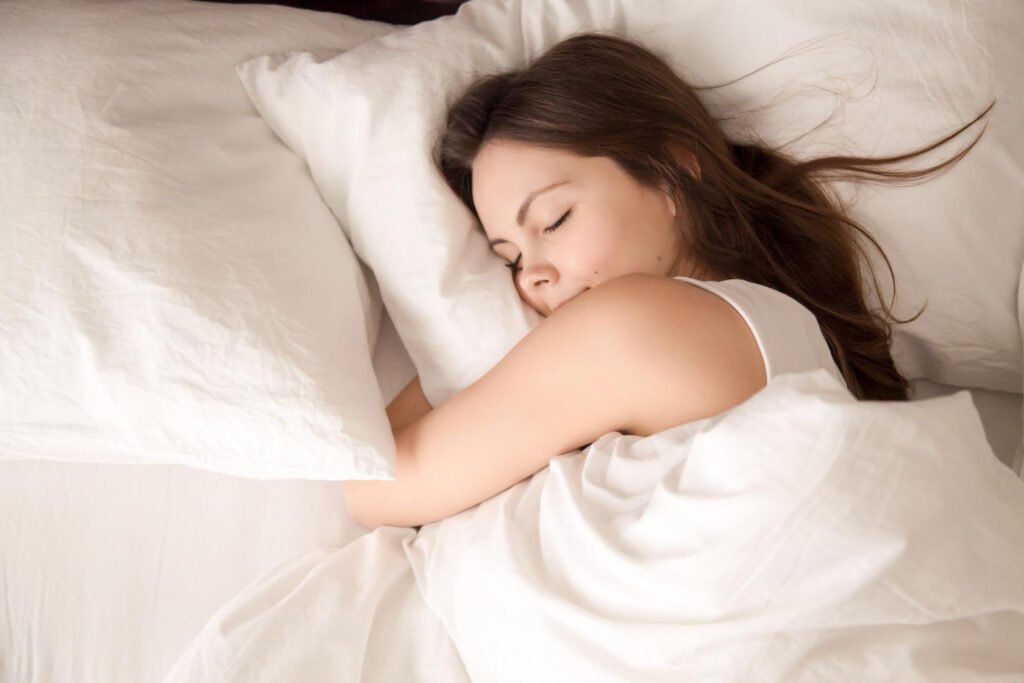
Sleep
Poor sleep raises cortisol, which in turn increases androgens and increases sebum production. Getting seven to nine hours of consistent sleep is one of the best ways to manage hormonal skin, and it is the most powerful tool you have for managing hormonal skin — and one of the most frequently overlooked.

Stress management
Ongoing stress is one of the main causes of hormonal acne in women in their 30s. Practices like yoga, walking, breathwork, or just protecting your downtime are not indulgences. They are part of skincare.
Consistency matters more than perfection. The most important skincare habit is doing it every day. A simple, steady routine works better than an elaborate one you only do sometimes.
Key ingredients to look for in your routine
You do not need a complicated routine to manage hormonal acne. These are the ingredients that make the most meaningful difference:
Salicylic acid:
This BHA (beta hydroxy acid) goes deep into pores to clear congestion. It’s especially helpful during the luteal phase when pores are most likely to get clogged.
Niacinamide:
Regulates sebum, reduces redness, and strengthens the skin barrier. One of the most versatile and well-tolerated ingredients for hormonal skin.
Azelaic acid:
This ingredient reduces inflammation, helps fade marks left by breakouts, and has mild antibacterial effects. It’s great for hormonal acne and is less drying than some other active ingredients.
Retinoids:
These support cell turnover and boost collagen. They’re especially helpful for treating both acne and signs of aging at the same time. They work best during the follicular phase when your skin is most resilient.
Zinc:
Whether you use it on your skin or get it from your diet, zinc has anti-inflammatory and oil-regulating properties that are great for hormonal acne.
Work With It, Not Against It
Monthly hormonal breakouts do not mean your skincare routine is failing. They show that your body is working as it should and your skin is reacting to natural hormonal changes. The goal is not to fight your cycle, but to work with it.
By learning how each phase affects your skin and making small, targeted changes to your routine and lifestyle, you can reduce the severity and frequency of monthly flare-ups over time. Consistency matters more than complexity, and patience is more important than perfection.