You wake up the morning after a few drinks. Your skin looks puffy and dull, and a breakout is forming on your chin, exactly where your hormonal acne always shows up. You are not imagining it, and it is not a coincidence.
Alcohol’s impact on your skin runs deeper than most people think, especially for women in their 30s dealing with hormonal acne. This is not a lecture about quitting drinks. It is about uncovering what is really happening beneath the surface, so you can make choices that work for you. After all, knowledge is the ultimate ingredient in any skincare routine.
Alcohol does not directly cause acne, but it makes it significantly worse
This is the important distinction. Alcohol is not the root cause of your hormonal breakouts. Your hormones are. But alcohol triggers a cascade of responses in your body that make every single factor behind hormonal acne worse simultaneously. Oil production, inflammation, hormone levels, hydration, all of them shift in the wrong direction when you drink.
Here is what is actually happening.
The hormonal connection
This is the one that matters most and the one most people do not know about. Alcohol increases levels of testosterone and estradiol in women, the exact hormones that signal your oil glands to produce more sebum. More sebum means more clogged pores, and for skin that is already hormonally reactive, even a small hormonal shift can tip a brewing breakout over the edge.
Skin Insight
When you drink, you are actively amplifying the hormonal environment that drives your acne. For women in their 30s whose skin is already navigating fluctuating hormones, that is not a small thing.
So it is not just the immediate effects you are dealing with, it is the hormonal cascade underneath that makes hormonal acne harder to manage the morning after, and in the days that follow.
The inflammation response
Alcohol triggers inflammation throughout the body, and your skin is not exempt. Your body breaks down alcohol into a compound that creates a wave of inflammation that shows up as redness, sensitivity, and, in acne-prone skin, worsened breakouts. This is also why your skin looks puffy and flushed the morning after, that is inflammation you can see.
The longer-term concern is that repeated inflammation is one of the primary drivers of collagen breakdown. Every time your skin inflames, it is working against the firmness and elasticity you are trying to protect.
The collagen and aging connection
This is where alcohol becomes a smart aging concern, not just an acne one.
Alcohol increases oxidative stress in the body, the same process that accelerates visible aging. It breaks down collagen and elastin, the proteins responsible for keeping skin firm and bouncy, faster than they would naturally decline. Research shows that people who drink regularly show measurably faster collagen loss than those who do not — meaning fine lines, loss of firmness, and skin that looks tired develop earlier than they should.
Worth Knowing
Alcohol interferes with your body’s absorption of vitamins A, C, and E, three of the most important nutrients for skin repair and collagen production. So it is not just breaking collagen down faster. It is also blocking the very tools your skin needs to rebuild itself.
The dehydration effect
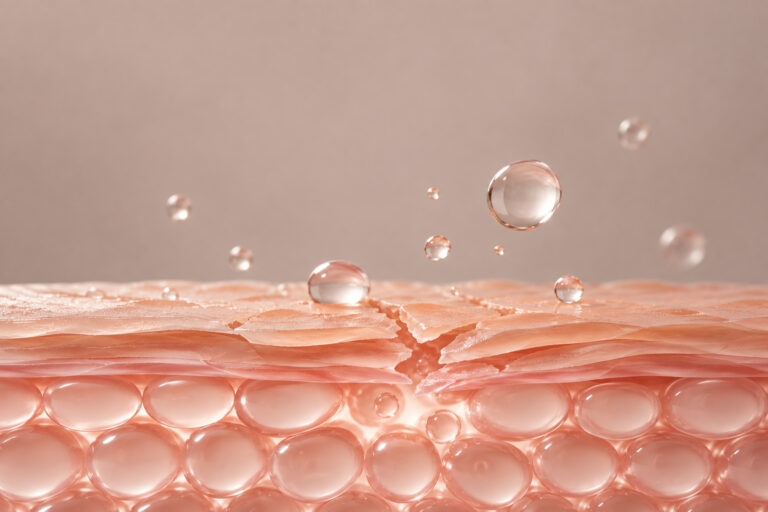
Alcohol is a diuretic; it makes your body lose water faster than usual. Dehydrated skin looks dull and flat, fine lines appear more pronounced, and the skin barrier weakens, making it less effective at protecting itself from bacteria and environmental stress. For hormonal acne skin, a compromised barrier means more reactivity, more sensitivity, and a harder time recovering from breakouts.
The dehydration also happens faster than most people realise, within hours of drinking, moisture levels in the skin begin to drop. That dull, flat feeling the morning after is your skin telling you it ran out of water.
The sugar problem and why cocktails are the worst offender
Not all drinks affect your skin equally, and this is genuinely worth knowing.
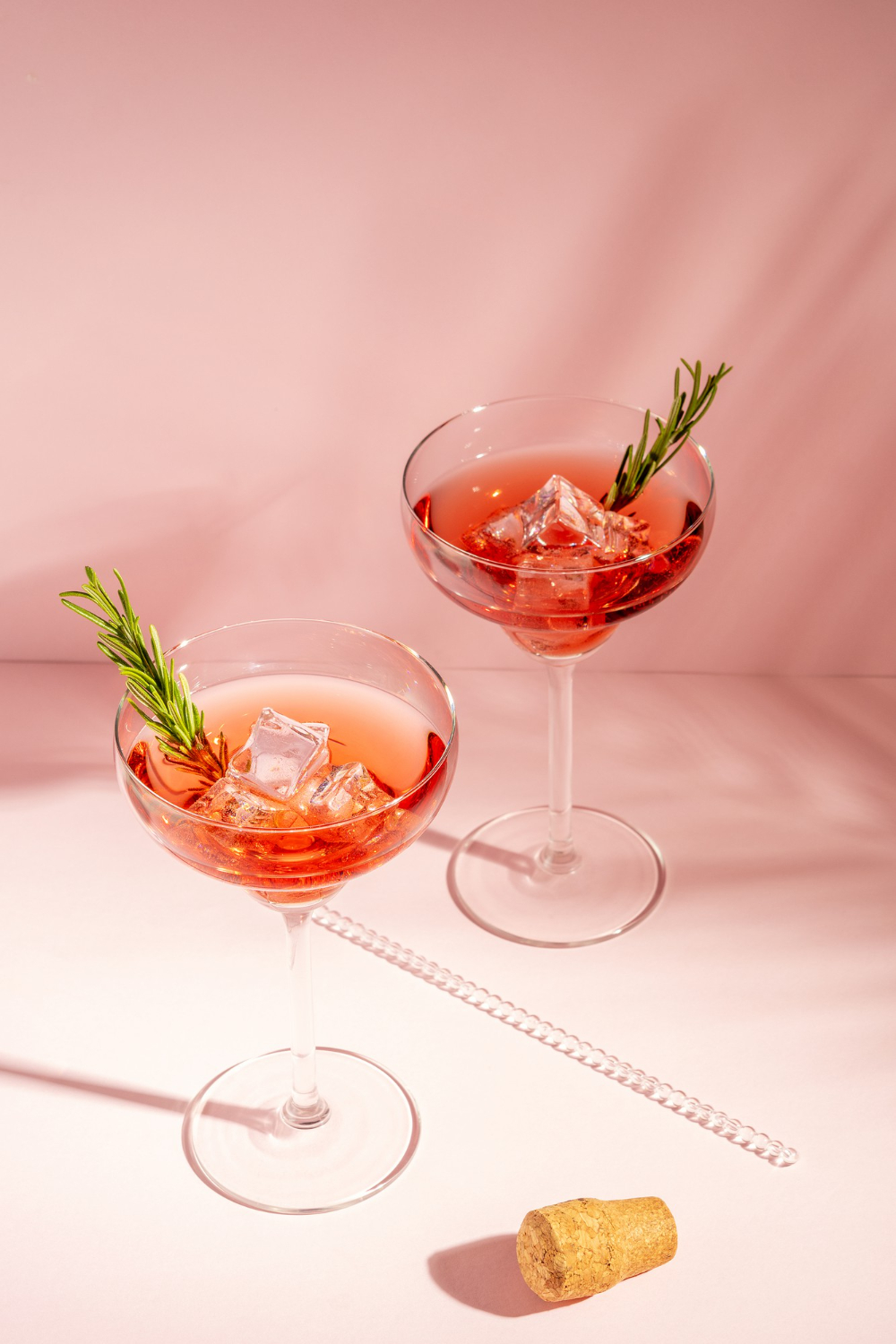
Sugary cocktails, mixers, and sweet wines cause a rapid spike in blood sugar. That sugar spike triggers insulin, which increases oil production and inflammation, adding a second layer of skin disruption on top of everything alcohol already does. Dark spirits and sweet mixed drinks are consistently the most inflammatory combination for acne-prone skin.
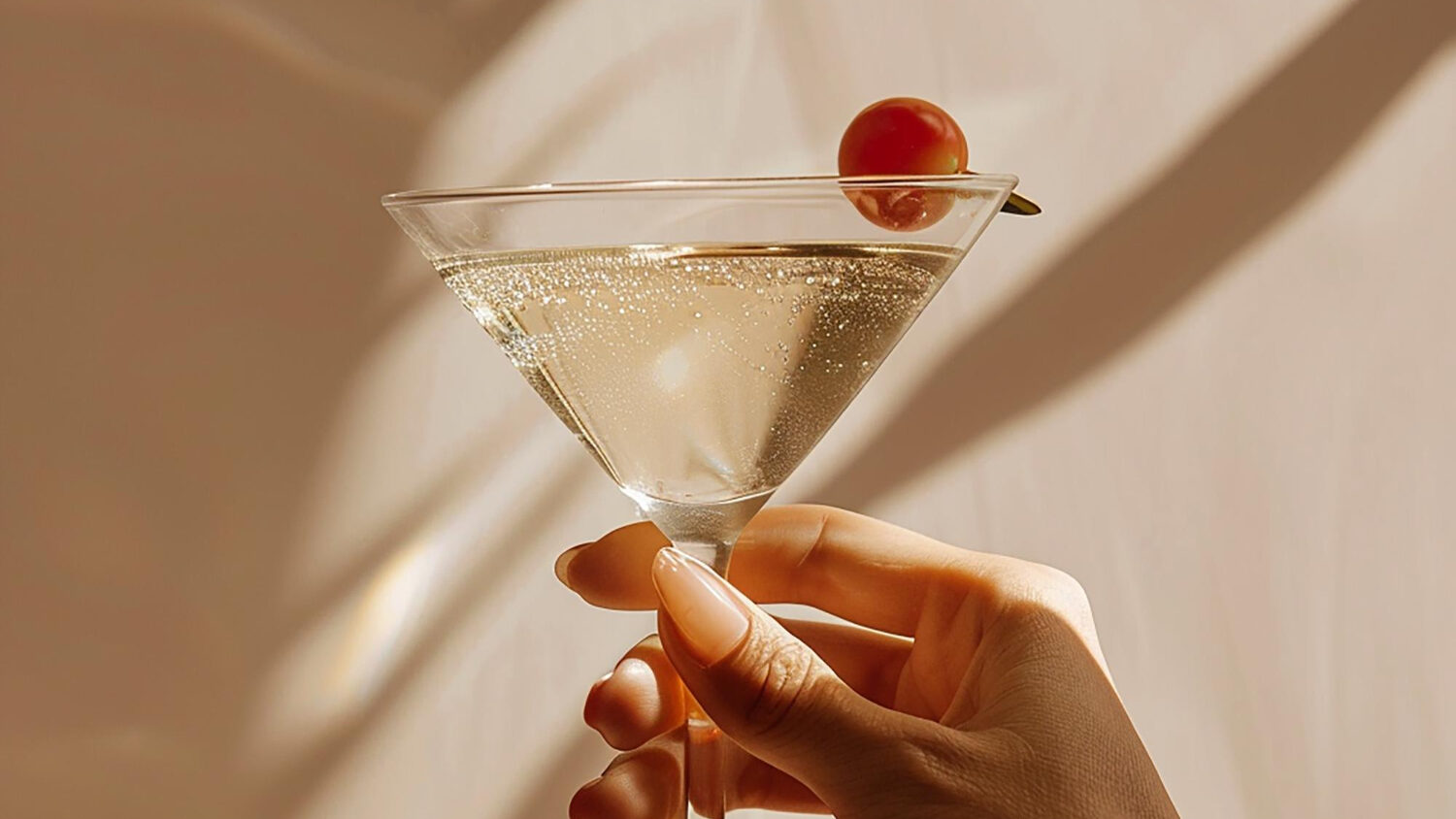
Clear spirits like vodka, gin, and tequila with low-sugar mixers, tonic, soda water, fresh citrus, are significantly gentler on the skin because they do not carry the same sugar load. Red wine sits somewhere in the middle; the resveratrol has some antioxidant properties, but the sugar and congeners still trigger inflammation in sensitive skin, particularly rosacea-prone complexions.
This does not mean clear spirits are skin-safe. Alcohol is still alcohol. But if you are going to drink, the type genuinely makes a difference.
If you do drink, be smart about it
This is the practical section. Not abstinence advice, just skin-intelligent choices.
Hydrate alongside every drink.
One glass of water for every alcoholic drink you have. It will not completely undo the diuretic effect, but it significantly reduces the morning-after dehydration your skin feels.
Eat before and during.
Food slows alcohol absorption and reduces the blood sugar spike that sugary drinks cause. Protein and healthy fats are particularly effective at buffering the inflammatory response.
Choose lower-sugar options.
Clear spirits with soda water and fresh citrus over sweet cocktails, mixers, and shots. Your hormonal skin will genuinely thank you the next morning.
Your skincare the morning after matters.
After a night of drinking, your skin barrier is weakened and dehydrated. Skip the active ingredients, no retinol, no acids, and reach for something gentle, hydrating, and barrier-supportive. Your niacinamide serum, a water-based moisturiser, and SPF. Let your skin recover before asking it to do more.
The good news
Most of alcohol’s visible effects on skin are reversible. When you reduce your intake, hydration improves, inflammation decreases, and collagen production starts to recover. Your skin is remarkably resilient when you give it the right conditions.
The Takeaways
Alcohol is not the enemy of clear, healthy skin. But it is worth understanding that for women managing hormonal acne and thinking about aging in their 30s, the effects are more direct and more relevant than most people realise.
You do not have to choose between a social life and your skin. You just need to understand the relationship and make choices that feel right for you, with the full picture in front of you.