Nobody really talks about this part. We all got the moisturizer tips, the SPF reminders, maybe a nudge toward retinol. But hardly anyone mentioned that what you eat every day is either helping your skin build collagen or slowly wearing it away.
By your 30s, the right foods for collagen production genuinely matter more than most people realise, your body has already been losing collagen for almost ten years. It starts in your mid-20s, about 1.5% each year, and just keeps going. This is not a reason to panic. It is just a reason to get a little smarter about what you eat. No food will turn back the clock, but the right choices really do give your skin what it needs to keep making collagen for longer. And the wrong ones? They can quietly chip away at your skin’s strength, even if you cannot see it yet.
Let’s talk about both.
What Matters Most
Why collagen matters more in your 30s than any other decade
Collagen is the scaffolding of your skin. It is the protein responsible for firmness, bounce, and the kind of skin that springs back when you press it. When collagen is abundant your skin looks plump, smooth, and resilient. When it starts to decline, as it does every year from your mid-20s, you start to notice it in the texture, the firmness, and eventually the lines.
By your 30s you are managing two things at once: the hormonal acne that can leave dark marks and inflammation in its wake, and the early signs of collagen loss that make those marks harder to fade and slower to heal. The encouraging news is that the same dietary choices that support collagen also support your skin’s ability to recover from breakouts. These are not separate concerns. They are connected.
What your body needs to produce collagen: The key foods and nutrients
You cannot just eat collagen and expect it to show up in your skin. Your body has to build it from scratch, using certain nutrients from your food. If you are missing even one of these, your collagen production slows down, no matter how many collagen-branded products you try.
Vitamin C is the most critical and the most commonly overlooked. Without it, your body simply cannot synthesize collagen, it is a non-negotiable co-factor in the production process. Vitamin C also prevents newly formed collagen from breaking down before it can be used. And here is something worth knowing: dietary vitamin C reaches deep dermal layers that even the best topical vitamin C serum cannot access. What you eat genuinely goes further than what you apply.
Protein and amino acids are what your body uses to actually make collagen. Three matter most: glycine, proline, and lysine. You get these from any complete protein—think chicken, fish, eggs, dairy, or legumes. No need for anything fancy. Just make sure you are getting enough protein, day in and day out.
Zinc supports the enzymes responsible for collagen synthesis and helps regulate the inflammation that breaks collagen down. It is found in pumpkin seeds, chickpeas, cashews, and red meat.
Copper activates an enzyme called lysyl oxidase, which is responsible for cross-linking collagen fibers — essentially making them strong rather than just present. Shellfish, nuts, seeds, and dark chocolate are all good sources.
👁️ Skin Insight
When you eat sugar, glucose molecules bind directly to collagen fibers in a process called glycation, forming compounds called Advanced Glycation End Products — AGEs. These AGEs make collagen stiffer, more brittle, and more prone to breakdown. Research shows this process accelerates visible skin aging regardless of actual age. The same high-glycaemic foods that spike androgens and worsen hormonal acne are also quietly aging your skin from the inside. One dietary shift helps both.
Foods for collagen production
These are the foods that actually have science behind them, not just hype. Add them to your meals regularly, and you are giving your skin what it needs to make and protect collagen every single day.
Citrus fruits
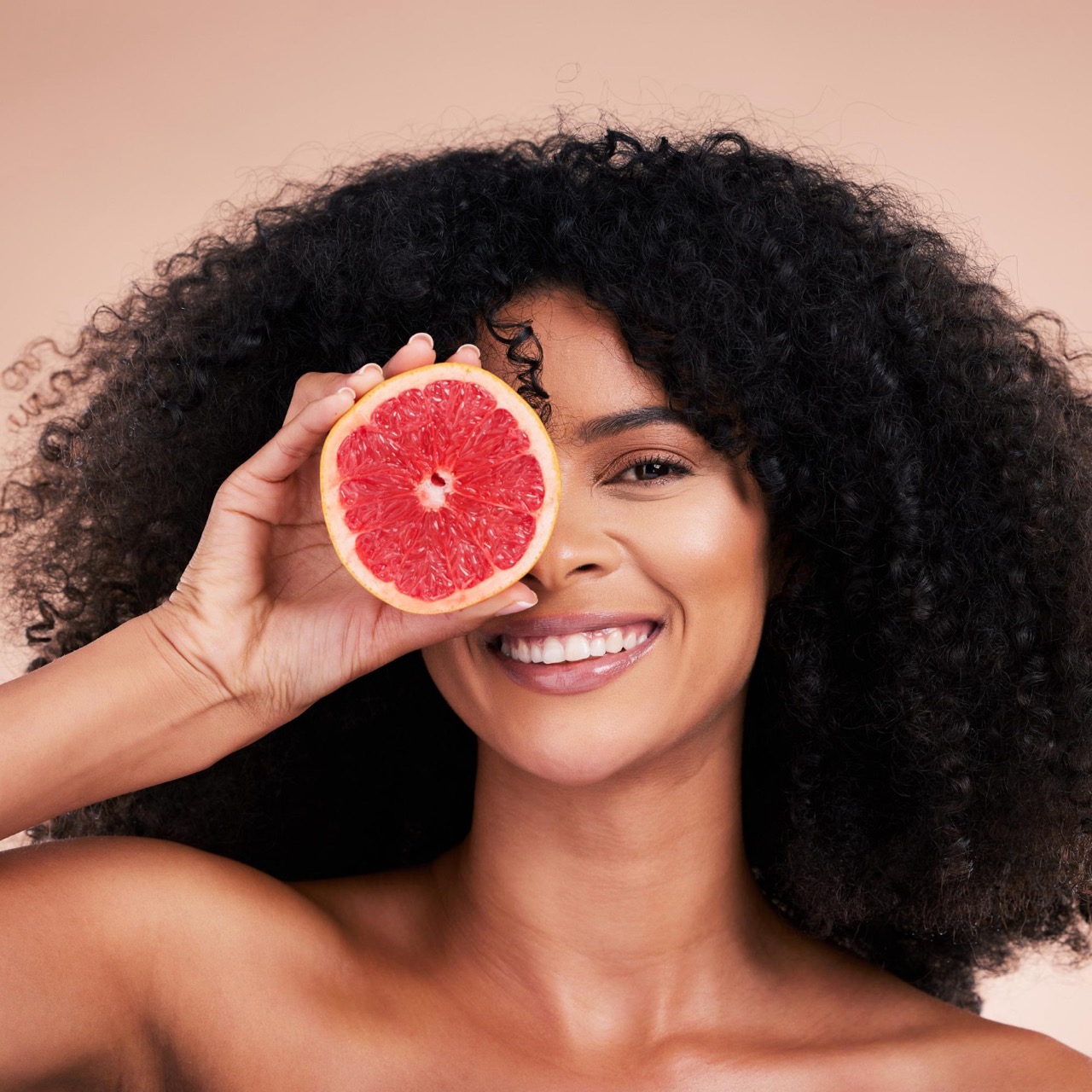
Oranges, lemons, grapefruit, kiwi. The highest dietary sources of vitamin C, which is non-negotiable for collagen synthesis
Bell peppers
Gram for gram, red bell peppers contain more vitamin C than oranges. Roast them, eat them raw, add them to everything
Strawberries and berries
Vitamin C plus powerful antioxidants that protect existing collagen from free radical damage
Leafy greens
Spinach, kale, Swiss chard. Rich in vitamin C and chlorophyll, which studies show increases the collagen precursor in skin
Eggs
Provide glycine and proline, two of the three amino acids from which collagen is built from
Chicken and turkey
The highest dietary source of collagen-building amino acids from animal protein. Thigh meat contains more than breast
Salmon and mackerel
Omega-3 fatty acids reduce the inflammation that breaks collagen down, alongside marine protein for amino acid support
Pumpkin seeds and cashews
Zinc-rich, supporting the enzymes that synthesise collagen
Shellfish
Oysters and prawns provide both zinc and copper, making them one of the most complete collagen-supporting foods available
Dark chocolate (70% or above)
A source of copper, which activates the enzyme that cross-links collagen fibers and makes them structurally strong. Also antioxidant-rich. Yes, this is real
🧠 WORTH KNOWING
Leafy greens get their deep colour from chlorophyll, and studies have shown that consuming chlorophyll increases the precursor to collagen in the skin. Spinach, kale, and Swiss chard are doing significantly more for your skin than most people realise and most of us are not eating nearly enough of them.
What quietly destroys your collagen
Knowing what to eat is just one side of the story. There are also a few things quietly working against your collagen in the background. None of these will shock you, but understanding why they matter can make your choices a lot easier.
Sugar and refined carbs are the biggest troublemakers for your collagen. They cause a process called glycation, which makes collagen stiff and weak. Choosing lower-glycaemic carbs like oats, sweet potatoes, and legumes can really help reduce this damage. You do not have to cut out sugar completely. Just know what it is doing, and make swaps where you can.
Alcohol breaks collagen down through oxidative stress and impairs your liver’s ability to process the hormones and toxins that accelerate skin ageing. The more you drink, the faster your collagen declines. I covered the full skin impact of alcohol here.
UV exposure without SPF directly degrades collagen by triggering enzymes that break it down. This is why SPF is the most important anti-ageing step in any routine, not just for preventing new damage but for protecting what you have built. The full guide to choosing the right SPF for dark spots is here.
Chronic stress elevates cortisol, which suppresses collagen production and accelerates its breakdown. This connects directly to the gut-brain-skin axis which is covered in the gut health article, stress is never just a mood problem.
⚡ Quick Tip
Add one vitamin C-rich food to every meal today. A handful of strawberries with breakfast, half a bell pepper with lunch, squeeze of lemon over dinner. Vitamin C is water-soluble and not stored in the body, which means consistent daily intake matters more than occasional large amounts.
The bone broth myth, let’s be honest
Bone broth has been positioned as a collagen superfood for years. The honest answer is more nuanced. A 2019 study found that most commercially available bone broth does not contain enough collagen to make a meaningful difference to skin. The collagen content varies enormously depending on how it is made, the quality of the bones, and the cooking time.
This does not mean bone broth is worthless, it is nourishing, mineral-rich, and a good source of amino acids. But if you are drinking it specifically for skin collagen, the evidence does not fully support the hype. A piece of salmon and a handful of kale will do more for your collagen production than a mug of bone broth. Food first, always.
A note on collagen supplements, if you want to go further
Your diet is already doing the heavy lifting. The foods in this article give your skin a real, lasting foundation, and that matters more than any supplement ever will. But if you want to take things further? These three powders are genuinely worth it. Think of them as turning up the volume on everything you are already doing.
This section contains affiliate links. As an Amazon Associate, I earn from qualifying purchases. If you purchase through one of these links, I may earn a commission at no additional cost to you. Learn more in Affiliate Disclosure.
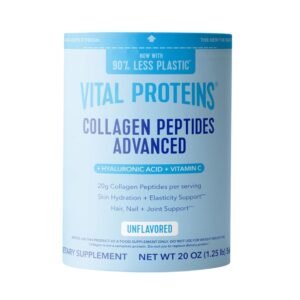
Vital Proteins Collagen Peptides Powder Advanced
Ideal if
Key ingredients:
The upgraded version of the classic everyone already trusts. Same clean, well-sourced collagen, but now with vitamin C and hyaluronic acid already in the formula so you don’t have to think about pairing. Dissolves in your coffee, does its job quietly. The easiest yes on this list.
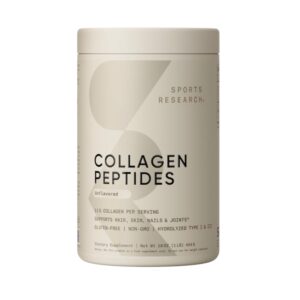
Sports Research Collagen Peptides
Ideal if
Key ingredients:
A step up in formula depth, with 18 amino acids including the three your skin actually needs most. It shows up consistently in clinical roundups, which is not something you can fake. A little pricier, but if you want to feel confident in what you’re taking, this is the one.
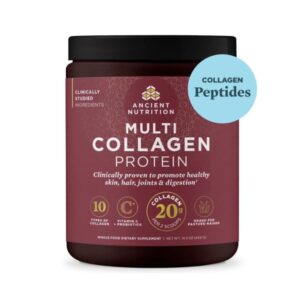
Ancient Nutrition Multi Collagen Protein
Ideal if
Key ingredients:
Think of this as the everything supplement. Ten collagen types from four different sources means it’s not just working on your skin. It’s covering your joints, gut lining, and connective tissue too. If you’re at a point where you want one powder doing a lot of heavy lifting, this is where you go.
One honest note on all three: collagen supplements work best when your vitamin C intake is consistent, because your body needs vitamin C to synthesise collagen from the amino acids. A supplement without dietary vitamin C is working at a disadvantage. Eat your berries. Take your supplement. Let them work together.
Start at the Table
Your skincare routine matters. Your SPF is guarding all the progress your skin has made. And what you eat, day after day, is what keeps the whole system working behind the scenes.
No one food is going to change your skin overnight. But if you build a habit of eating more vitamin C, good protein, zinc, and copper, and cut back on sugar and alcohol, you will see and feel the difference over time. It is all about patience and consistency, which is the most honest skincare advice there is.
Start with what is on your plate. Your skin really does notice.