
Is cortisol face real, or is TikTok just being TikTok again? Short answer: not really. But stick with me, because the real story matters way more for your skin than a rounder jawline ever could.
If your face has looked puffier than usual during a stressful week, you are not imagining it. You are just calling it the wrong thing. Cortisol face, moon face, stress bloat, whatever you want to call it. Here is what is actually going on, and what is actually worth doing about it.
What Is Cortisol Face, Really?
Cortisol face is a TikTok trend, not a medical term. It is that puffy, rounder look everyone blames on stress and the hormone cortisol.
The videos usually go the same way. A fuller face gets tagged “high cortisol.” A leaner one right after gets tagged “healed.” It makes a great before-and-after. It is just not really how cortisol works.
Is Cortisol Face Even Real?
Not quite the way TikTok says. Real cortisol-driven face changes do exist. Doctors call it moon face, and it is linked to a rare hormone disorder, not everyday stress. It also takes months to show up, alongside other clear signs, not just one puffy morning.
Doctors who study hormones for a living tend to agree on this. Everyday stress alone almost never changes your face shape overnight. If your face looks different lately, there is almost always a simpler explanation.
The Real Reason Your Face Looks Puffy (Hint: It’s Not Cortisol)
A puffy face in the morning is real. It is just almost never a cortisol story. Here is what usually causes it instead:
- Too much salt the night before
- A bad night’s sleep, or sleeping the wrong way
- Alcohol
- Allergies
- A sluggish lymphatic system
Any one of these can cause the exact same puffy look people are blaming on cortisol face. None of them have anything to do with your stress levels.
💭 Skin Insight
Cortisol actually has a bit of a bad reputation. It is not only a stress hormone, it naturally spikes every morning about 30 minutes after you wake up. That surge is what gets you out of bed, stress or not.
What Stress Actually Does to Your Skin (It’s Worse Than Puffiness)
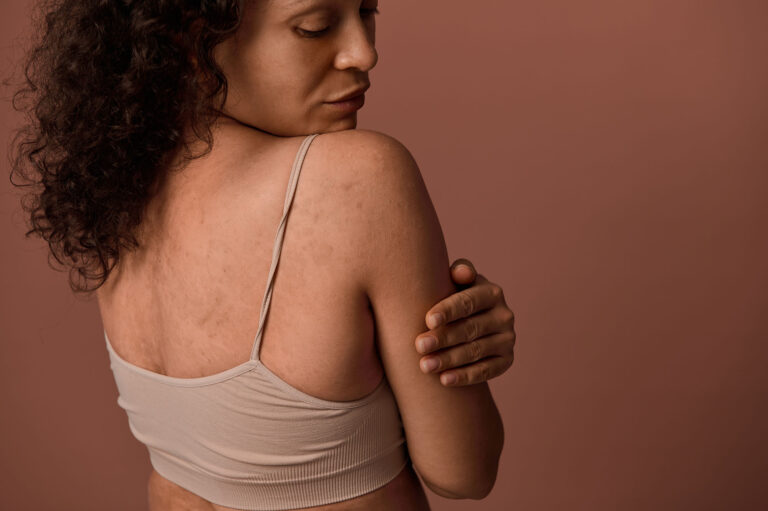
Your jawline is not changing overnight. But stress really does affect your skin in two bigger ways. It can mean more breakouts, and it can speed up how fast your skin ages.
Here is the acne part. Stress cranks up your oil production. Mix that with your regular hormone swings, and you get clogged pores, then breakouts, especially around your jaw and chin. If your skin acts up during a stressful week for no obvious reason, this is probably why. I go deeper on this in Why Your Cycle Is Causing Hormonal Breakouts.
Here is the aging part. Too much stress hormone messes with collagen, the stuff that keeps your skin firm and bouncy. Over time, that shows up as more visible fine lines and skin that just looks tired. Want to work on that side? The Best Foods for Collagen Production in Your 30s is a good next read.
💡 The Key to Calming Cortisol Skin
Stress will not undo a rounder jawline overnight. But real sleep, a gentle routine, and calmer food choices genuinely calm the breakouts and dullness stress leaves behind.
How to Actually Calm It
You cannot spot-treat cortisol, but a few simple habits genuinely help.

- Sleep matters most: aim for 7 to 9 hours, on a fairly regular schedule.
- Move, but don’t overdo it: a walk calms cortisol, an exhausting workout can actually raise it.
- Eat a little smarter: less sugar and salt, more omega-3s and colorful produce.
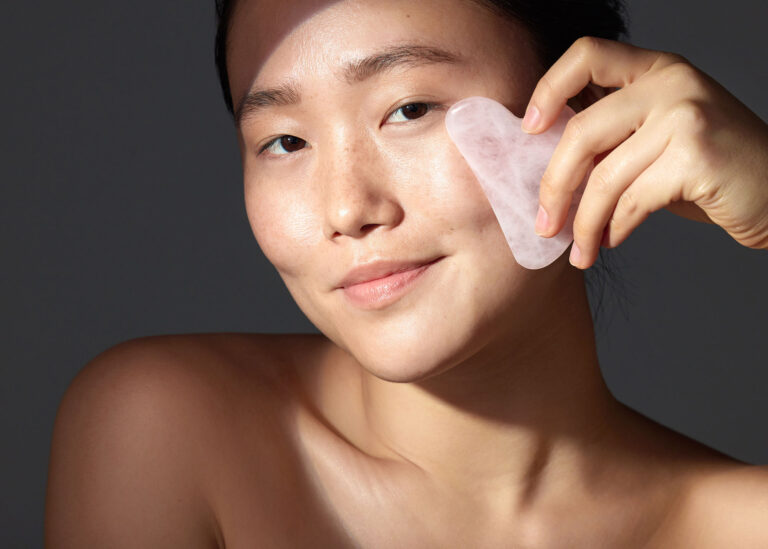
- Try gua sha for puffiness: I cover the technique in Gua Sha and Face Yoga for Sagging Skin.
- Need something right now: a cold jade roller or an ice cube wrapped in a soft cloth works in a pinch. It just will not fix what is actually causing the puffiness underneath.
When to Actually Worry
For most people, cortisol face is nothing to stress about (ironic, I know). But check in with a doctor if puffiness shows up alongside:
- Unexplained bruising
- Acne that will not go away no matter what
- High blood pressure
- Cuts or wounds that heal really slowly
Those are not “bad week” signs. Those are “let’s get this checked” signs.
What Your Face Is Really Trying to Tell You
Cortisol face makes a good TikTok caption. Your skin’s real story is quieter than that. Stress is not reshaping your jawline overnight. It is quietly pushing your oil production up. It is also wearing down your skin’s bounce. Both of those, you can actually do something about.
Sleep well, move gently, keep your routine calm, and skip the chase for a viral before-and-after. Your skin will thank you way more than any single product ever could.