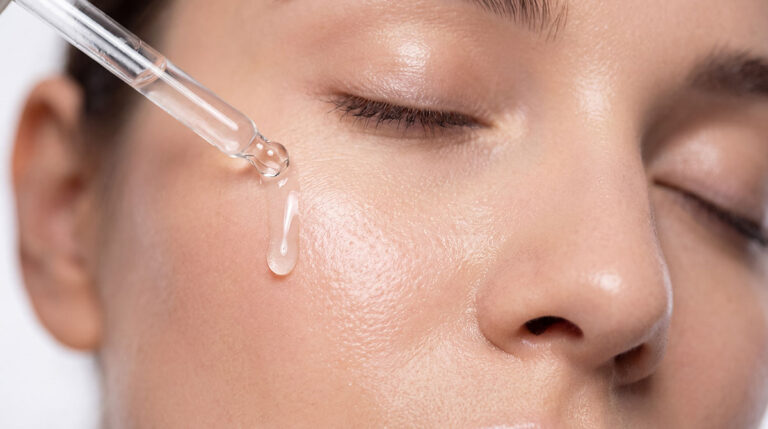
Have you noticed your skin behaving slightly differently than it did a couple of years ago? A fine line that was not quite there before. A breakout that takes longer to heal. A subtle loss of that natural bounce. It is not your imagination and it is not your routine failing you. It is collagen. Your skin is producing less of it, and it starts earlier than most people realise.
That is exactly where peptides in skincare come in. They are one of the most powerful ways to work with that process instead of just watching it happen. They are not a new ingredient. They have been in clinical research for decades. But the technology behind them has evolved so significantly in 2025 and 2026 that they are now doing things that were genuinely not possible before. And for skin in its 30s that is managing both early aging and hormonal acne at the same time, the timing has never been better.
What Do Peptides Actually Do for Your Skin?
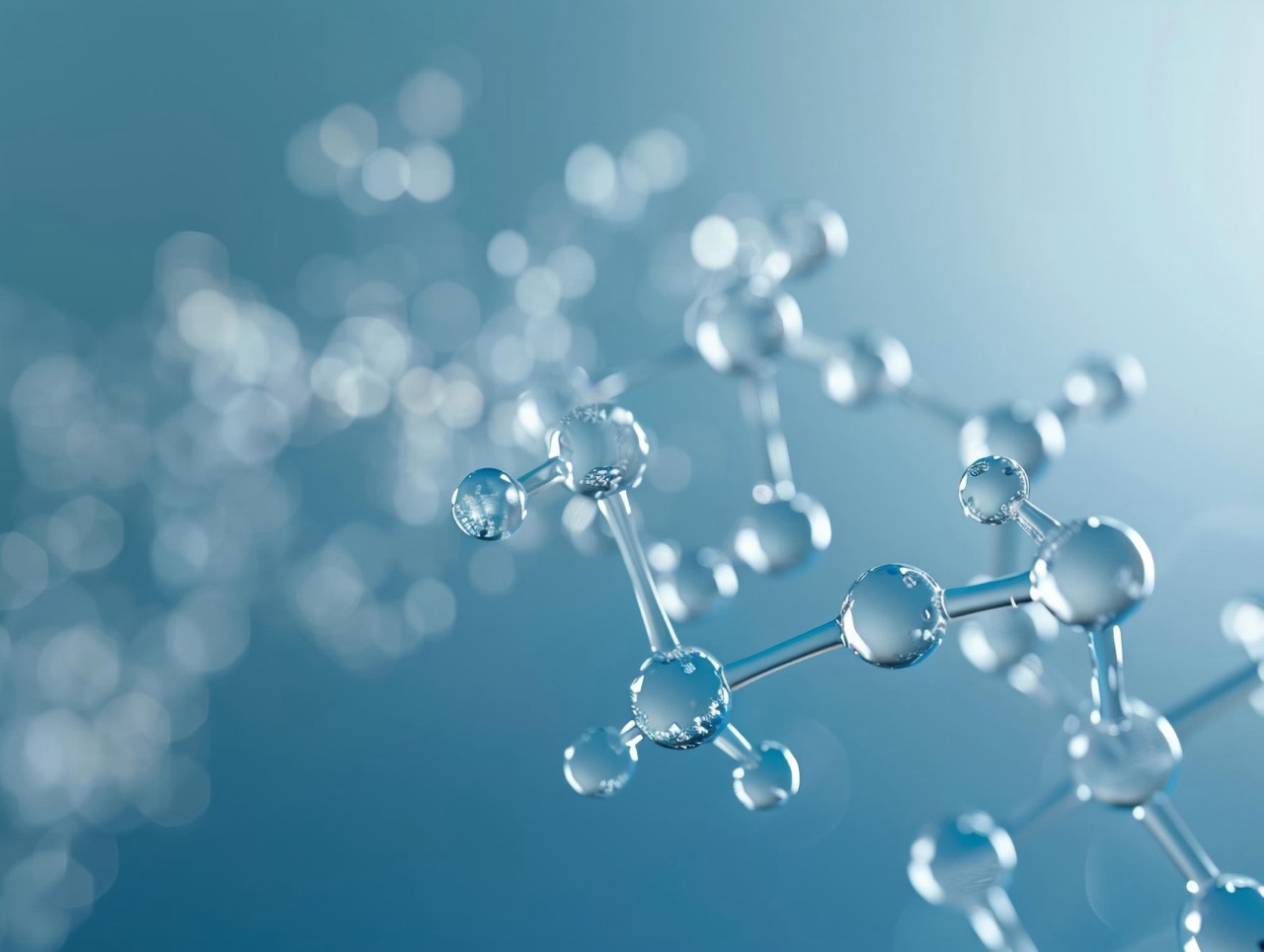
Peptides are short chains of amino acids. Amino acids are the building blocks of protein. And the proteins that matter most to your skin, collagen, elastin, keratin, are all made of them.
When peptides are applied to your skin, they act as signals. As Dr. Whitney Bowe, board-certified dermatologist, puts it: peptides are basically a text message to your skin cells that says make more collagen, now.
That is genuinely what peptides in skincare do. Different types send different messages, but the result is the same: your skin starts behaving more like it did when it was younger, rebuilding the proteins that give it structure, firmness and resilience.
Why Your 30s Is the Moment Peptides Start Mattering
Collagen declines at roughly 1% per year from your mid-20s. By your early 30s you are already feeling it, not dramatically, but in the way your skin recovers, the way it holds light, the way a breakout leaves a mark that stays longer than it used to.
For oily, reactive skin that cannot throw every anti-aging ingredient at itself at once, you need something that works with your skin rather than pushing it to its limits. That is exactly where peptides come in.
Peptides vs Retinol: Which Is Better for Your Skin?
Both ingredients support collagen. Both are backed by serious research. But they work in completely different ways, and understanding that difference changes how you use them.
Retinol works by accelerating cell turnover. It essentially speeds up the rate at which your skin sheds old cells and generates new ones. Over time, this increases collagen production and improves texture, pigmentation and pore appearance. The trade-off is that your skin needs time to adjust. Dryness, sensitivity and purging are common in the first weeks, which is particularly hard to manage when hormonal acne is already in the picture.
Peptides skip the disruption entirely. They signal your skin cells to produce more collagen directly, without triggering cell turnover or sensitivity. No adjustment period, no purging, no weeks of your skin looking worse before it gets better. You can use them from day one, every day, without your skin needing to earn it.
The important thing to know is that they are not competitors. Retinol and peptides work through different mechanisms and complement each other beautifully. Retinol handles the renewal, peptides handle the rebuilding. Used together, the results are stronger than either one alone. And because peptides help support the skin barrier, they actually reduce some of the irritation that retinol can cause.
For oily, reactive skin in its 30s, the smartest approach is often: peptides every day, retinol a few nights a week. Not one or the other. Both, working together.
The Three Types Worth Knowing About
Not all peptides do the same thing. Here is what each type actually does for your skin in plain terms.
Signal peptides tell your skin to make more collagen and elastin. Think of them as the anti-aging workhorses. If you want firmer, smoother skin over time, these are the ones doing it.
Copper peptides go deeper. They deliver minerals into the skin that speed up repair, calm inflammation, and support the healing process. Particularly useful if you are dealing with breakouts, post-acne marks, or skin that takes a long time to recover.
Neurotransmitter peptides relax the facial muscles that create expression lines. The forehead lines, the ones between your brows, the creases around your mouth. They do not work like Botox but with consistent use, they visibly soften those areas over time.
Do Peptides Actually Work?
Yes, but patience is the whole game. Here is what to realistically expect:
- Weeks 1 to 2: Skin feels more hydrated and softer
- Weeks 4 to 6: Texture starts to improve, redness settles
- Weeks 8 to 12: Visible difference in firmness and fine lines
Women who try a peptide serum for two weeks and declare it does not work have simply not given it enough time. This is an ingredient that builds results over months, not overnight.
🧠 WORTH KNOWING
Peptides and strong exfoliating acids do not mix well in the same step. Apply acids and peptides at different times of day to get the most out of both. Retinol, however, pairs perfectly with peptides.
This section contains affiliate links. As an Amazon Associate, I earn from qualifying purchases. If you purchase through one of these links, I may earn a commission at no additional cost to you. Learn more in Affiliate Disclosure.
Peptides in Skincare: Top 5 Picks
After going deep into ingredients, real-world results and what actually works for oily and acne-prone skin in the 30s, these five came out on top. No fragrance-heavy formulas, no comedogenic bases, and nothing that overpromises.
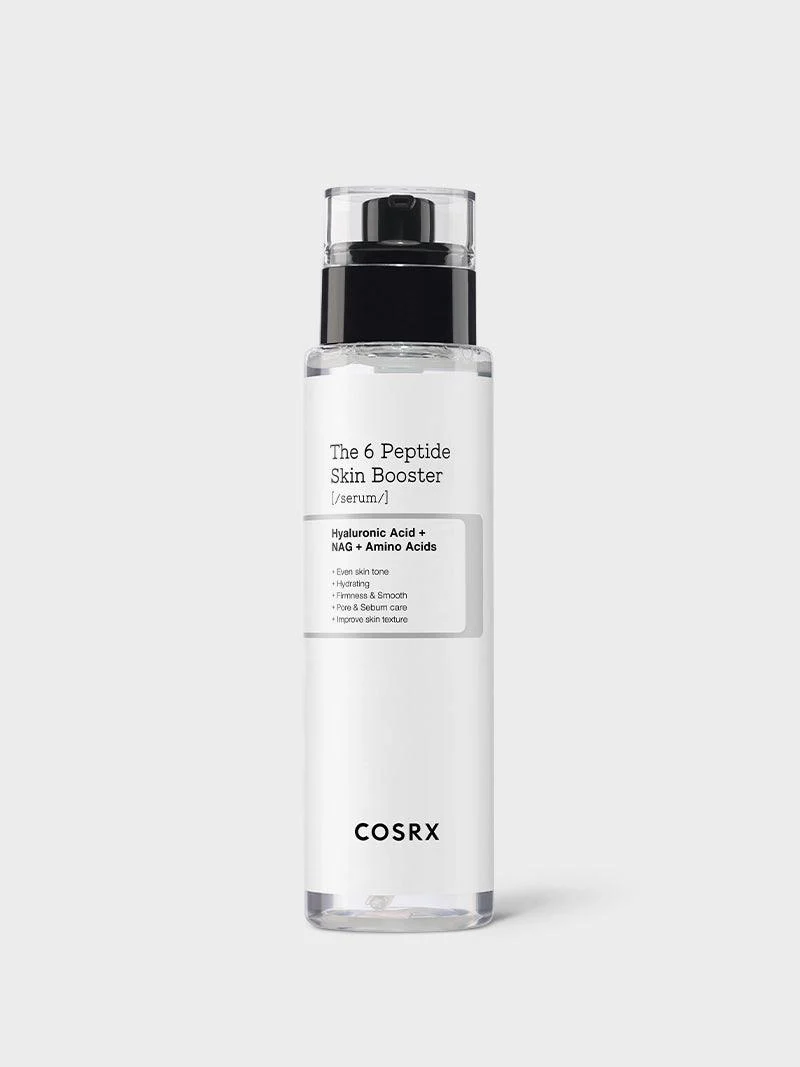
COSRX The 6 Peptide Skin Booster
Best for
Key InGREDIENTS
Think of this less like a traditional serum and more like a first step that supercharges everything that comes after it. The watery, essence-like texture absorbs in seconds and the six peptide types work together to improve elasticity, calm redness, and support skin renewal from the very first layer of your routine. Niacinamide keeps oil in check while the copper tripeptide-1 quietly handles repair. Women with oily, acne-prone skin consistently describe it as the first essence that hydrated without adding shine or causing new breakouts. Many are on their third or fourth bottle.
What I love:
150ml of genuinely effective formula at a price that makes daily use an easy commitment. Fragrance-free, no fragrant oils, and non-comedogenic. The value is extraordinary for what this formula delivers.
Worth knowing:
Contains a small amount of soybean oil low in the ingredient list. It is not a concern for most people but if your skin is very reactive to botanical oils, patch test first.
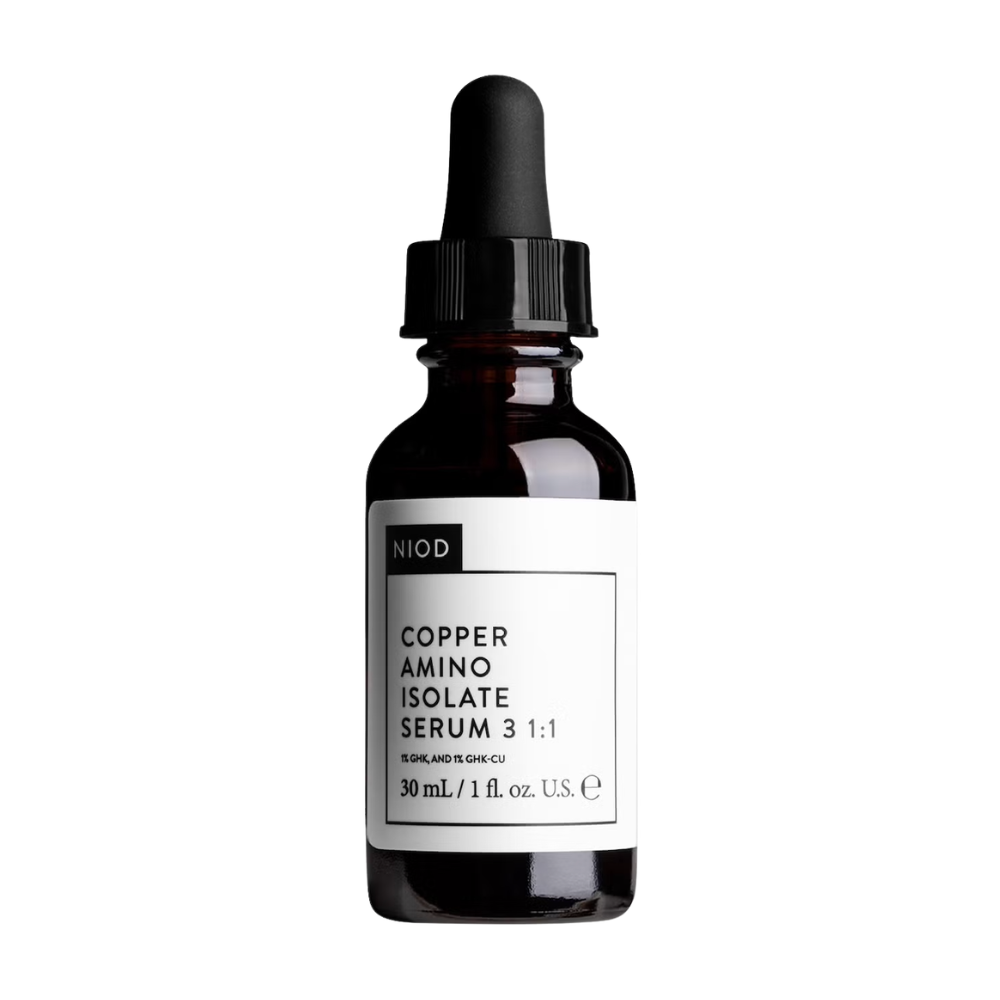
NIOD Copper Amino Isolate Serum 3 1:1
Best for
Key InGREDIENTS
NIOD was built by scientists specifically for skin that does not tolerate most serums well. This is their flagship copper peptide formula, and the 3:1:1 ratio means you are getting a genuinely meaningful concentration rather than a marketing trace. Copper tripeptide-1 at this level actively supports collagen synthesis, accelerates repair, and has documented anti-inflammatory benefits that are particularly useful for skin recovering from hormonal breakouts.
The texture is almost invisible on skin. It disappears within seconds and leaves nothing behind except the quiet sense that your skin is doing something useful. An aesthetician described it as the product that finally helped her acne scarring heal in a way nothing else had managed.
What I love:
Specifically and repeatedly recommended for breakout-prone skin by dermatologists and aestheticians. Fragrance-free, non-comedogenic, and the science behind it is serious rather than aspirational.
Worth knowing:
Do not use with direct vitamin C in the same routine step. Apply vitamin C in the morning and this serum at night for best results.
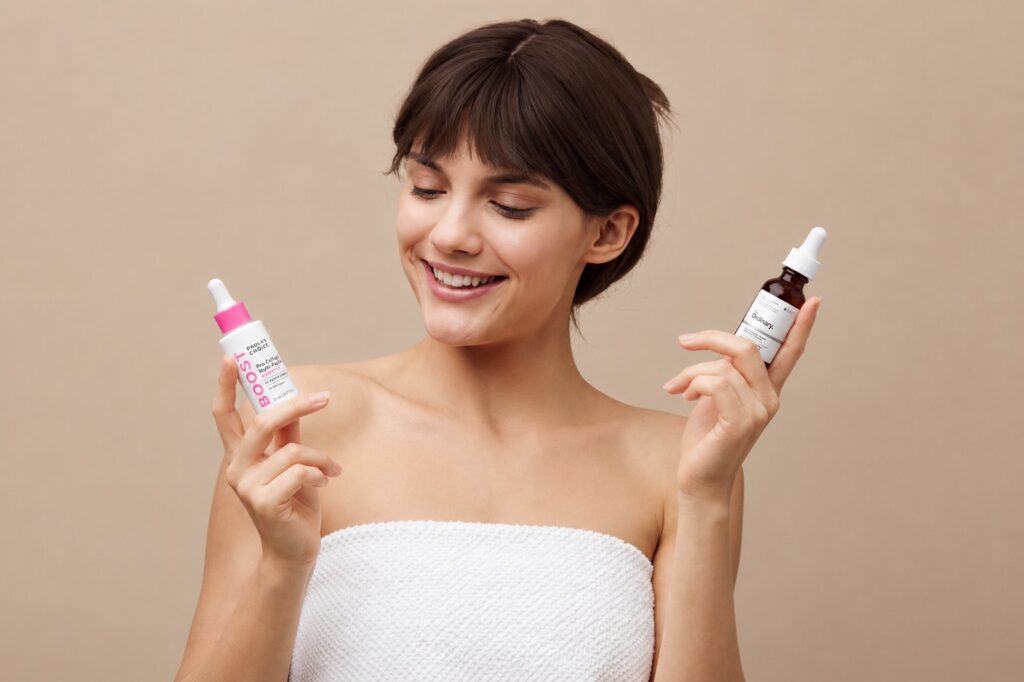
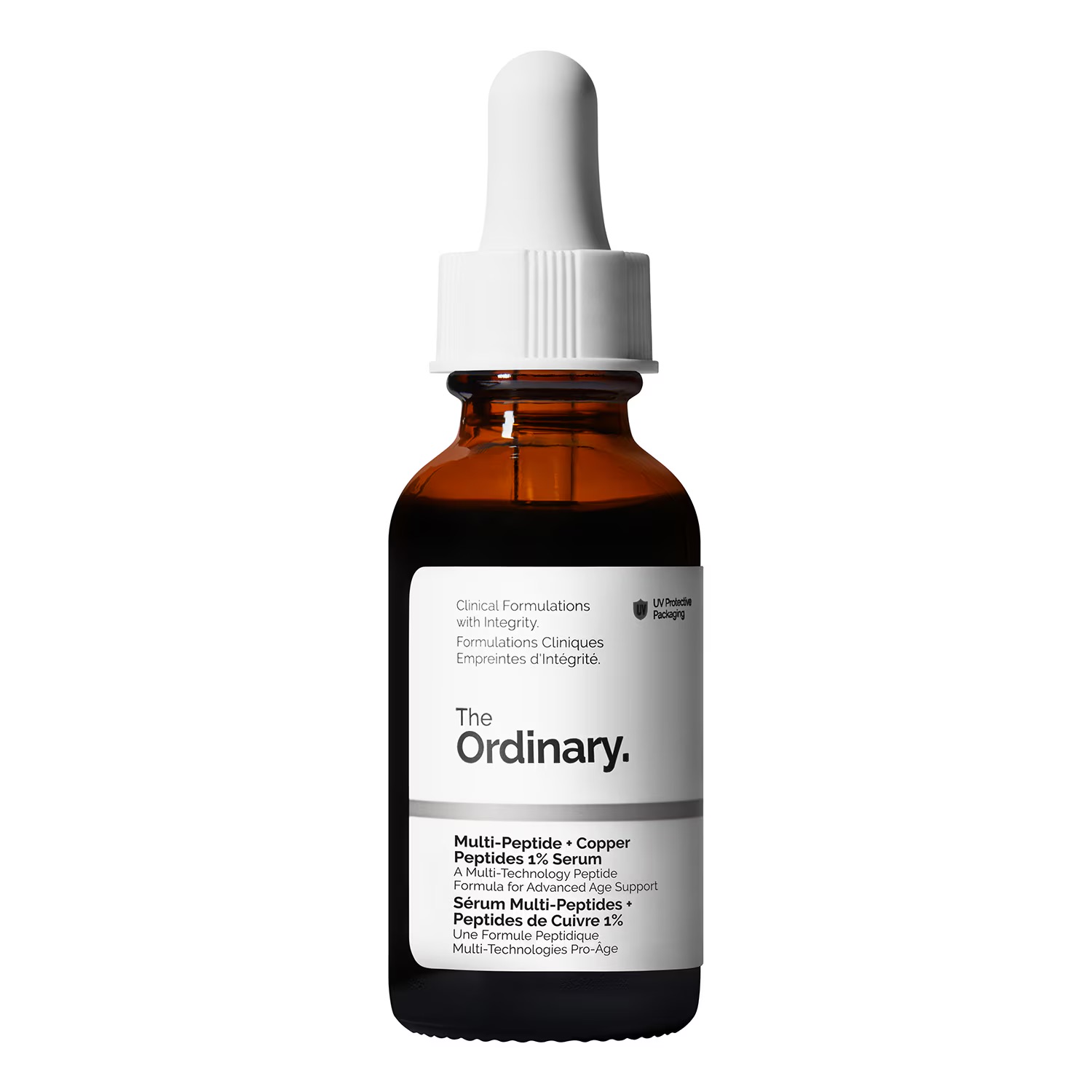
The Ordinary Multi-Peptide + Copper Peptides 1%
Best for
Key InGREDIENTS
Six peptide technologies in one bottle at a price that would cost four times as much from most brands. This is the most comprehensively stacked peptide formula available at this price point, covering signal peptides for collagen, neurotransmitter peptides for expression lines, and copper peptides for repair and protection. Every angle of the peptide story is addressed in a single, fragrance-free, water-based serum.
Women describe it as the serum that made them realise what peptides were actually capable of. The results take time, but after eight weeks the difference in skin texture and firmness is consistent. The reviews speak for themselves.
What I love:
The breadth of what it covers. Matrixyl 3000 targets collagen loss, Matrixyl synthe’6 targets six structural proteins, SYN-AKE softens expression lines, and GHK-Cu protects and repairs. Nothing else at this price point comes close.
Worth knowing:
Avoid using in the same routine as direct vitamin C, retinol, or exfoliating acids. Use it in the morning alongside SPF, or on alternate nights to retinol.
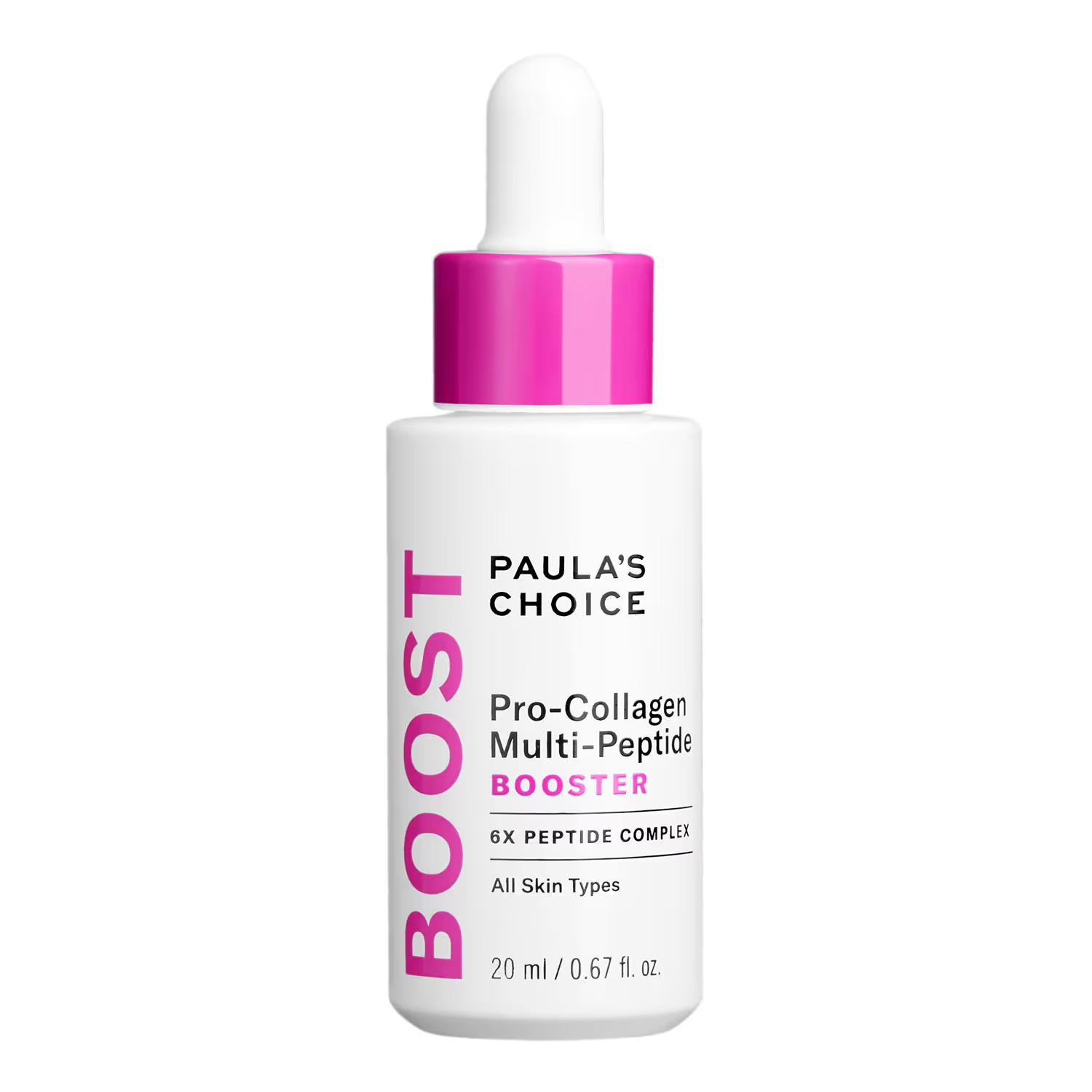
Paula’s Choice Pro-Collagen Multi-Peptide Booster
Best for
Key InGREDIENTS
Paula’s Choice has been doing evidence-based skincare longer than most brands in this space, and this booster is one of their most clinically impressive formulas. Six pro-collagen peptides working at multiple layers of the skin, with visible results on fine lines clinically proven in 15 minutes and measurable firming in four weeks. The silky gel texture absorbs instantly and layers under everything without pilling or disrupting makeup. Women who describe themselves as impatient with skincare say this is the one that finally made them feel like something was actually happening.
What I love:
The speed of visible results is rare in the peptide category, which usually asks for months of patience. The fact that it delivers both immediate and long-term improvement makes it feel genuinely worth the investment.
Worth knowing:
Contains a trace amount of synthetic fragrance, less than 1% of the formula. Most women tolerate it without any issue, but if your skin is particularly reactive to fragrance, patch test first.
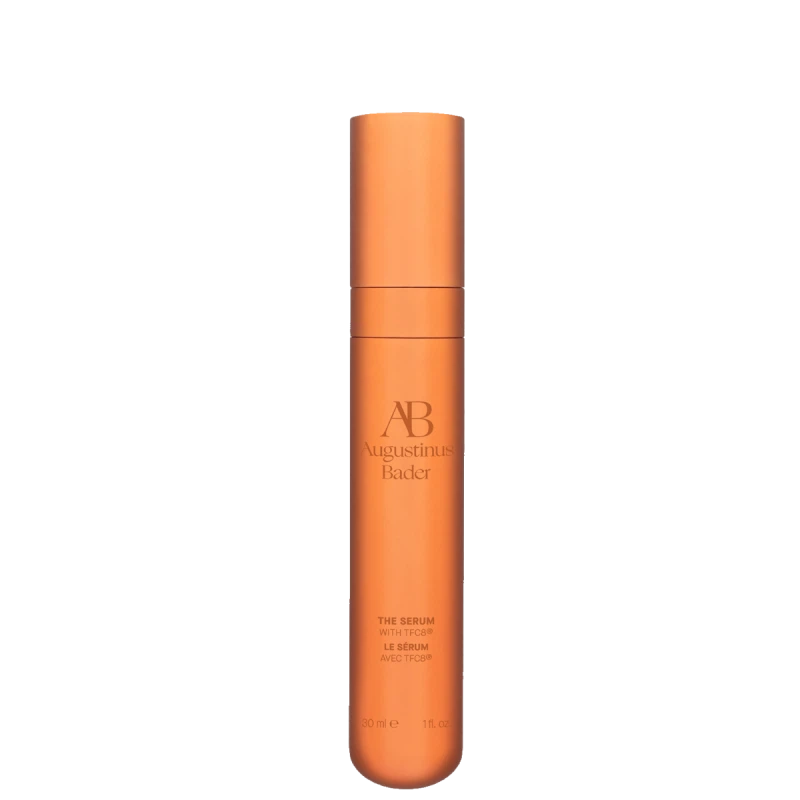
Augustinus Bader The Serum
Best for
Key InGREDIENTS
There are serums that work well. Then there are serums where you can feel the science working underneath your skin. Augustinus Bader built his career on wound healing and cellular regeneration, spending over 35 years researching how to help the body repair itself at the cellular level. The Serum is where that research meets daily skincare.
The TFC8 complex, his patented blend of high-grade vitamins, lipids and proprietary peptides, works not by depositing ingredients on the surface and hoping they penetrate, but by improving cell communication so your skin creates the optimal environment for its own renewal. Women who use it in hot, humid climates describe the finish as clarifying without being drying. One Space NK reviewer put it simply: the skin looks fresh, rested, clear and bright. It almost sparkles. Another said she noticed her forehead lines were nearly gone after a month and could not work out when it had happened.
It is an investment. But for oily and acne-prone skin in its 30s that has tried everything and found most high-end serums too heavy or too reactive, this is one of the very few built with the intelligence to know the difference.
What I love:
Fragrance-free, non-comedogenic, vegan, silicone-free and pregnancy safe. The brand story is extraordinary but the formula earns it. Results build over months and the skin simply gets better.
Worth knowing:
Available in 15ml, 30ml and 50ml. The 15ml is a smart way to test it before committing to the full size.
How to Use Peptides in Your Routine
Apply after cleansing and before moisturizer
Peptide serums sit best on clean skin before heavier products. Apply a few drops and let them absorb for 30 to 60 seconds before layering anything on top.
Use morning and evening
Unlike retinol, peptides have no sun sensitivity concerns. You can use them twice daily, which accelerates the results over time.
Layer with retinol at night
Apply your retinol first, let it settle, then follow with your peptide serum. The peptides support barrier repair after the retinol, which reduces irritation and helps the skin rebuild more efficiently overnight.
Do not mix with strong acids in the same step
Separate your exfoliating acids and peptides into different routines. Niacinamide, however, layers beautifully with peptides in the same routine. Read more about what niacinamide does for hormonal acne here.
Be consistent and give it time
Pick one peptide serum and use it consistently for at least eight weeks before judging the results. Switching products every few weeks is the single biggest reason people do not see what peptides can actually do.
💡 THE SWEET SPOT
Peptides work best when the rest of your routine is calm and simple. The more irritated or inflamed your skin is from strong actives, the less effectively peptides can do their job. Think of them as long-term builders. They need a stable environment to deliver real results.
Your Collagen Is Worth Protecting
Peptides in skincare are not a trend. They are one of the most well-researched, well-tolerated ways to support what your skin naturally starts losing in your 30s. And for oily, acne-prone skin that cannot use every anti-aging ingredient on the market, peptides in skincare fill a gap that almost nothing else does.
Start with one formula. Use it consistently. Give it time.
Your skin is doing something remarkable every single day. Peptides just help it do it better.