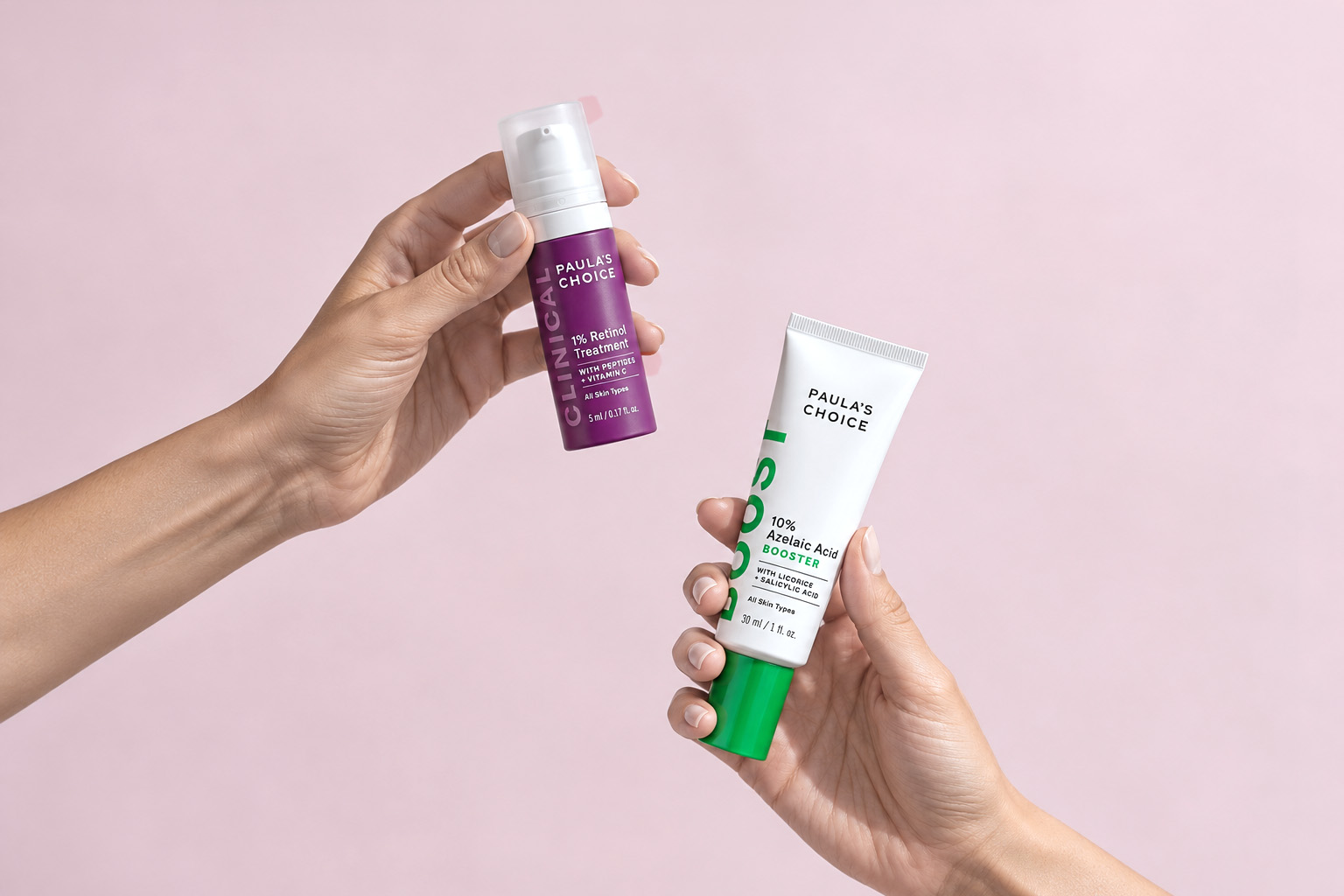
Azelaic acid calms the breakouts. Retinol smooths what they leave behind. The obvious question is whether your skin can take both, so can I use azelaic acid with retinol without paying for it later?
I have run this pairing for months on oily, breakout-prone skin, and it works. But only because of the order I did it in: azelaic acid first, then retinol far more slowly than I wanted to. I got that second part badly wrong the first time I tried retinol.
Can I Use Azelaic Acid With Retinol on Hormonal Acne?
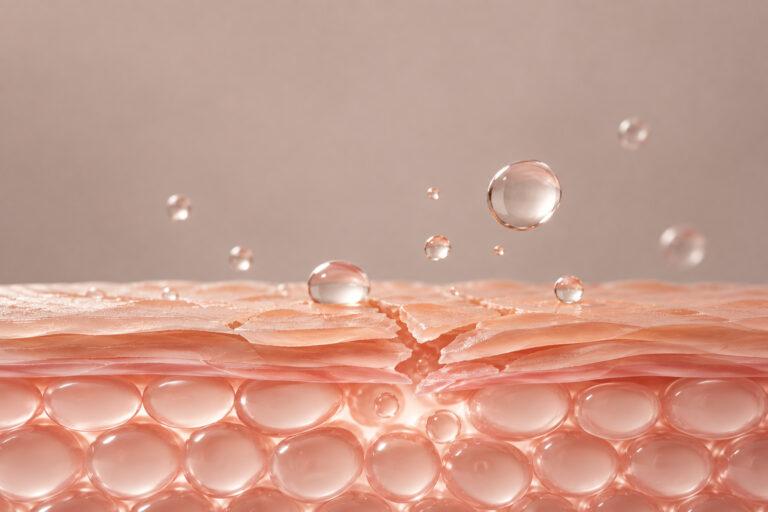
Yes, as long as you go gently. Used too often or too soon, retinol thins the outer layer of your skin, disrupts the fats that hold it together and lets water escape faster, which is the dryness and stinging everyone complains about. Azelaic acid is the milder of the two, but two actives in one week still adds up.
Here is the bit that actually matters for you. Most acne actives work by being tough on your skin, so stacking two of them usually ends in tears. Azelaic acid does not play by that rule. It calms while it clears, so it cushions the very irritation retinol tends to cause. Retinol is the accelerator, azelaic acid is the cushion, and that is why this pairing behaves so much better than it sounds like it should.
Nobody has run a big trial on exactly this combination, so I am telling you what the evidence for each ingredient shows, what dermatologists do in clinic, and what happened on my own face.
My Azelaic Acid and Retinol Routine For Hormonal Acne (Quick View + More Below)
BEST FOR WHEN YOUR SKIN IS READY FOR MORE

BEST FOR CALMING BREAKOUTS AND MARKS

BEST FOR PROTECTING YOUR BARRIER.
Why Azelaic Acid and Retinol Work So Well for Hormonal Breakouts
Hormonal acne in your thirties is really two problems wearing one coat.
There is the breakout itself, along your jaw and chin, arriving on schedule every month. Then there is the aftermath: the red or brown mark that sits there for weeks after the spot has gone, plus the texture and fine lines that were not part of the deal when you had this in your twenties.
Azelaic acid for hormonal acne handles the first half. It clears pores, calms the inflammation that makes a spot look furious, and fades the marks left behind. Retinol for oily skin handles the second. It keeps pores from clogging in the first place and smooths the texture and lines that start showing up around now.
That is why this pairing fits our exact situation. Most acne advice is written for teenagers, and most anti-aging advice pretends breakouts stop at 25. This combination refuses to make you choose.
Do I Use Azelaic Acid and Retinol on the Same Night?
I never use them on the same night, and I would suggest you do not either, at least to begin with.
You can layer them in one routine, and plenty of people do. But alternating gives you the same benefits with far less risk, and it makes troubleshooting simple. If something stings or flakes, you know exactly which product to blame.
My week looks roughly like this:
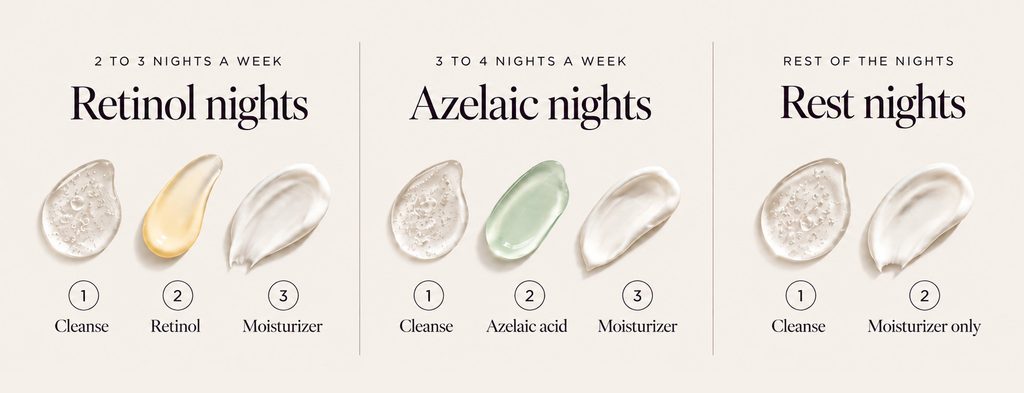
I want to be clear about something, because a lot of articles say the opposite: I do not use azelaic acid every day. It is gentle, but two actives in one week already asks a lot of your skin, and daily use is the quickest way to end up dry. Three or four nights of azelaic acid and two or three of retinol leaves a rest night or two, and those rest nights are doing real work. Nothing bad happens when you skip a night. Quite a lot happens when you push through.
Which One Goes On First, Azelaic Acid or Retinol?
If you do use both in one routine, go thinner product first, then thicker, and give each layer a minute. Most azelaic acid formulas are creamier, so retinol usually goes first.
When I moved up to a stronger 1% retinol, I started sandwiching: a layer of moisturizer, then the retinol, then more moisturizer on top. It sounds like something invented on TikTok, but it is a trick dermatologists use too. The moisturizer slows down how fast the retinol sinks in, so you get less irritation, which is the only reason a higher strength is wearable on skin that is already breaking out.
💡 The Key to Making This Work
Your barrier decides how much your skin can handle. Protect it and you can use stronger actives for longer. Ignore it and you are back to square one in a week.
How Do I Start Retinol Without Drying Out My Skin?
Slowly. Slower than you want to.
I started with a gentle 0.3% retinol buffered with bakuchiol, once or twice a week. Only when my skin was completely happy did I build up to two or three nights, and later move to a 1% retinol. That took months, not weeks.
Here is how I built it up, week by week:
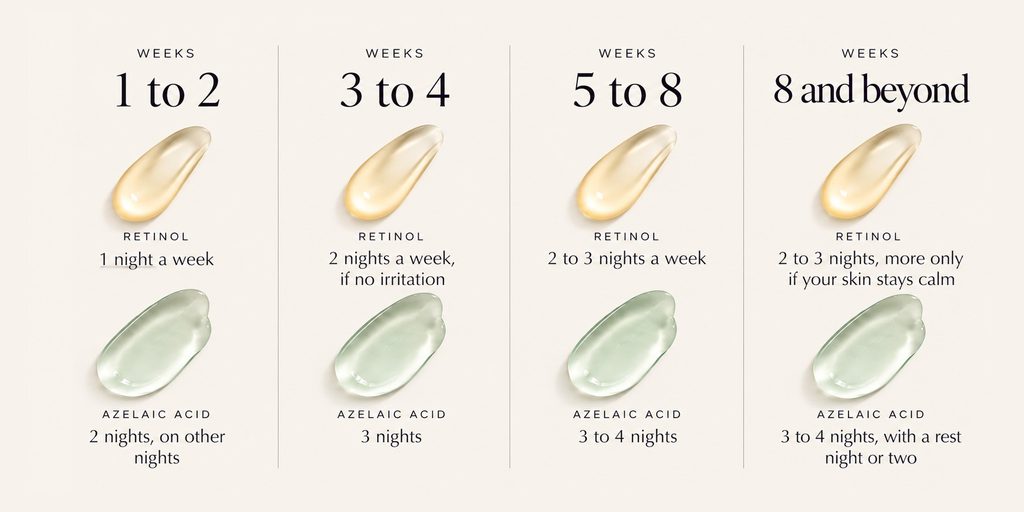
Two rules make this work. Add one new thing at a time, never both at once. And when your skin feels dry or tight, you go back a step rather than pushing on.
Oily skin makes this trickier than it sounds. When you are shiny by lunchtime it feels absurd that you could be dehydrated, but retinol dryness happens to oily skin too. Shiny and tight at once is real, and it is your signal to slow down.
What About Purging?
Some women hit a rough patch in the first few weeks, when retinol pushes everything to the surface faster. It shows up where you normally break out, and it tends to settle somewhere between two and eight weeks.
Here is my confession: I never purged. No flaking, no stinging, no miserable weeks, and I am not going to invent a hard month I did not have. I went slowly and kept my moisturizer on, and the stories I read from other women follow the same pattern: the ones describing a brutal six weeks almost always started three or four nights a week straight away.
The line to watch: spots in your usual places, clearing faster than normal, is purging. New spots in new places, burning, or raw patches is irritation. That one means stop and rebuild.
What I Got Wrong With Retinol
The first time I ever used retinol, years before this routine, I went straight to three nights a week because I was impatient. My skin dried out badly, and piling on a good moisturizer could not save it. I had to stop completely and start again from nothing.
That is the mistake nearly everyone makes, and it is why so many women decide retinol is not for them. It usually is. The schedule was wrong.
The second thing I would tell my past self: do not judge anything at week two. Azelaic acid calms redness fairly quickly, but the real change, the smoother texture and the marks fading, turns up around the two to three month mark. It is a slow burn, which is exactly why it keeps working.
Should I Change My Routine Around My Period?
Yes, and this is the part most layering advice skips entirely.
In the week before my period, when everything is oilier and more reactive, I pull back on retinol nights and lean on azelaic acid instead. Azelaic acid calms inflammation, which is precisely what breakout-prone skin needs right then. Once that week passes, I build the retinol nights back up.
If this is new to you, it is worth understanding how your cycle drives those breakouts in the first place. Once you see the pattern, timing your actives around it stops feeling complicated and starts feeling obvious.
Can I Use Niacinamide or Vitamin C With Azelaic Acid and Retinol?
Yes to both, with a little planning.
Niacinamide is the peacemaker, and it is the first thing I add when my barrier feels off. This is the trick I would most like you to steal: if your skin starts feeling tight, flaky or weirdly reactive, swap one active night for a niacinamide night rather than soldiering on.
It works whether your skin runs dry or oily, which is unusual. Studies show niacinamide increases the ceramides and other lipids that hold your barrier together, and separate research on 2% niacinamide found reduced sebum and less facial shine. So it steadies dry, stressed skin and takes the edge off oil, which is exactly the double problem this routine can create. If you are torn between niacinamide and azelaic acid for a particular concern, I compared them.
Vitamin C is easiest in the morning, with your actives at night. Not because they cancel each other out, that idea is outdated, but because it is less for your skin to handle at once.
What I would not do is pile exfoliating acids on top. Glycolic or salicylic acid on a retinol night is the fastest way to end up with the tight, stinging skin we have been trying to avoid. Azelaic acid is already doing that job for you, more gently.
This section contains affiliate links. As an Amazon Associate, I earn from qualifying purchases. If you purchase through one of these links, I may earn a commission at no additional cost to you. Learn more in Affiliate Disclosure.
The Azelaic Acid and Retinol Products I Use, and Two I Would Happily Swap In
Four of these live on my shelf. The other two are the ones I have read the ingredient lists of about six times and keep almost buying. Every one is fragrance-free and suited to oily, breakout-prone skin.
Best For: Starting Retinol
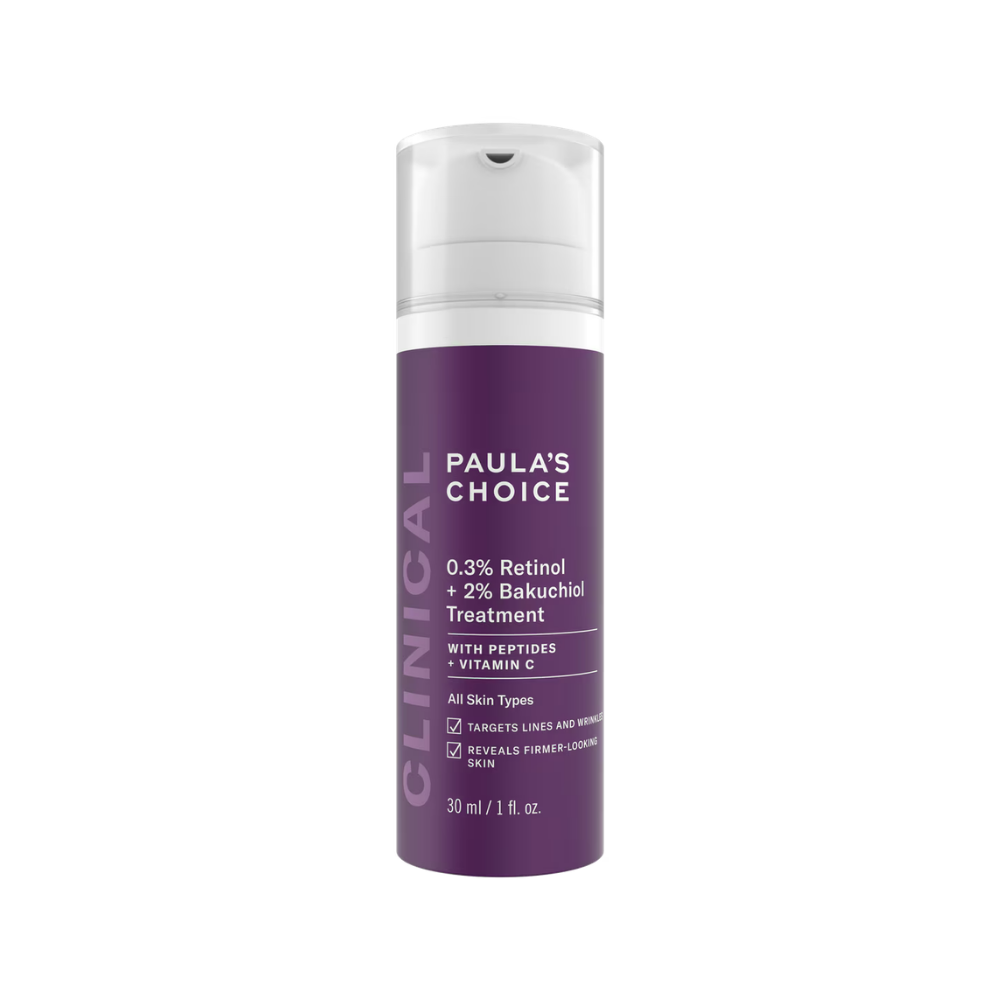
Paula’s Choice CLINICAL 0.3% Retinol + 2% Bakuchiol
Quick Look
- Oily, combination and breakout-prone skin
- Gentle 0.3% retinol
- Bakuchiol and ceramides
- Fragrance-free
This is where I started, and where I would send almost anyone with breakout-prone skin. The 0.3% strength is low enough to build on without drama, and the bakuchiol and ceramides take the edge off. I stayed on one or two nights a week with this for a long time before I moved up.
💜 What I love:
It is the rare retinol that lets you be patient, because your skin never gives you a reason to quit.
🧬 Worth knowing:
If you already use retinol happily, this will feel gentle. That is the point, and it is what makes it a starting strength rather than a destination.
Best For: Sensitive Skin, Serious Strength

Shani Darden Retinol Reform
Quick Look
- Reactive, breakout-prone skin
- 1% encapsulated retinol
- Lactic acid for texture
- Fragrance-free
If your skin flakes every time you try a retinol, this is the one to try instead. The 1% is encapsulated, meaning it is released slowly over the night instead of hitting all at once, which is the same problem my sandwich method solves, just handled inside the bottle. You get a serious strength without the week of regret.
💜 What I love:
It is the rare high-strength retinol that acne-prone skin tends to get along with, and the formula stays free of the oils that usually cause trouble.
🧬 Worth knowing:
The lactic acid in it is doing real work on texture, so skip your other exfoliants entirely on the nights you use it.
Best For: When Your Skin Is Ready for More
Paula’s Choice CLINICAL 1% Retinol Treatment
Quick Look
- Oily to combination skin that already gets on with retinol
- Stronger 1% retinol
- Peptides and ceramides
- Fragrance-free
Once my skin had gone months without a hint of irritation, I moved up to this, and it is what I use now. It is the strength that finally shifted my texture and the marks left by old breakouts. Still two to three nights a week, still never on an azelaic acid night, always sandwiched between moisturizer.
💜 What I love:
It gives proper retinol results without the raw, peeling stage I assumed came with the territory.
🧬 Worth knowing:
This is not a starting point. Give yourself several calm months at a lower strength first.
Best For: Calming Breakouts and Marks
Paula’s Choice 10% Azelaic Acid Booster
Quick Look
- Oily, combination and redness-prone skin
- True 10% azelaic acid
- Salicylic acid for clogged pores
- Fragrance-free
This is the workhorse of my routine. Real azelaic acid sits second on the ingredient list, with a little salicylic acid for pores and liquorice root for marks. It is a creamy gel rather than a runny serum, and a pea-sized amount covers my whole face on the nights between retinol.
💜 What I love:
This is the one I credit for my skin looking calm rather than just clear, which is a different thing entirely.
🧬 Worth knowing:
The texture is thicker than most serums, so give it a minute before your moisturizer goes on.
Best For: A Lighter Azelaic Texture
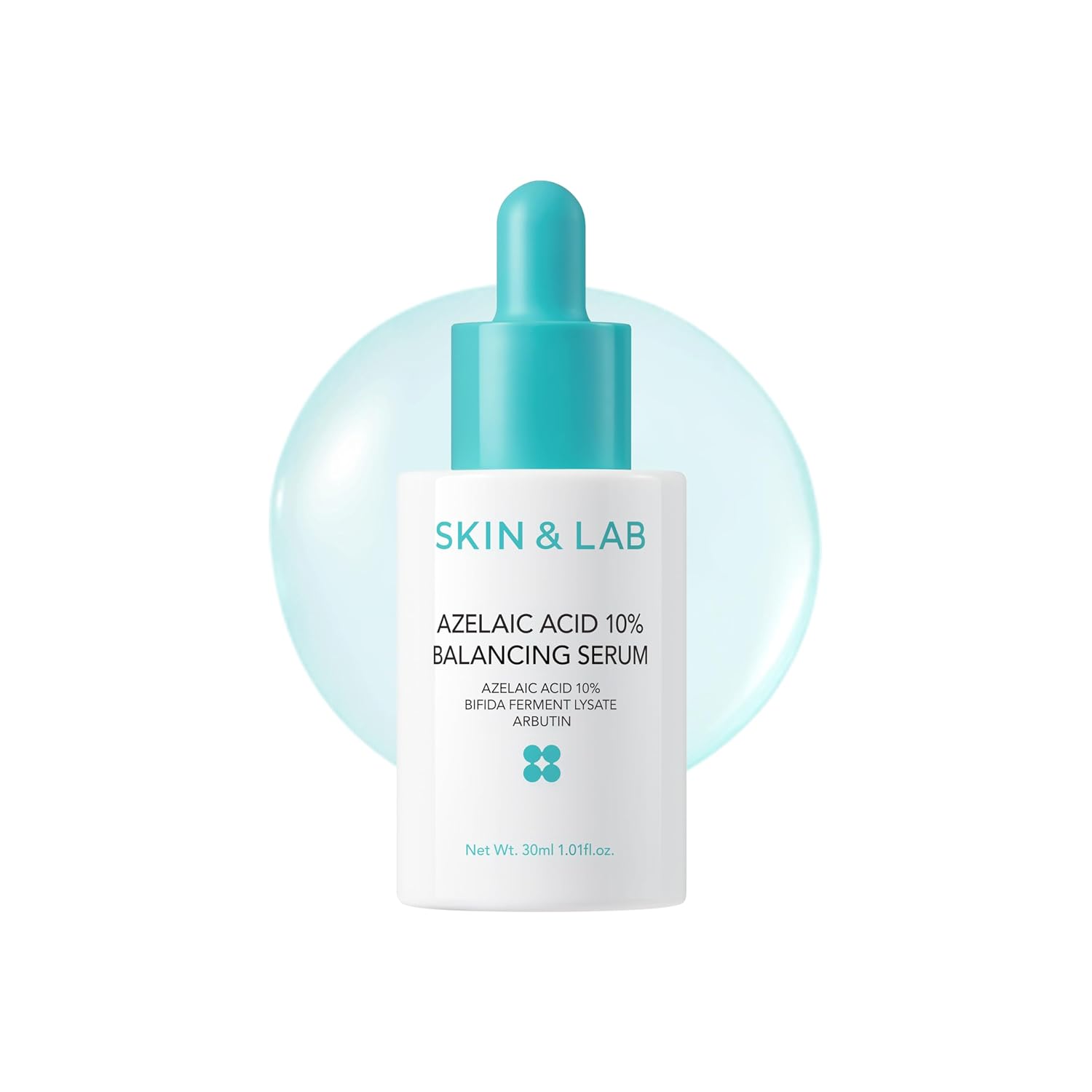
SKIN&LAB Azelaic Acid 10% Balancing Serum
Quick Look
- Oily skin that dislikes thick textures
- True 10% azelaic acid
- Niacinamide and centella
- Fragrance-free
Same strength as the azelaic acid I use, but a thin serum instead of a gel-cream. If you have ever given up on azelaic acid because it felt heavy under moisturizer, texture was probably the problem rather than the ingredient, and this is the version I would hand you.
💜 What I love:
The azelaic acid sits second on the ingredient list, with niacinamide and centella doing the calming alongside it.
🧬 Worth knowing:
A thinner texture means it sinks in fast, but it also gives you less slip, so apply it to slightly damp skin.
Best For: Protecting Your Barrier
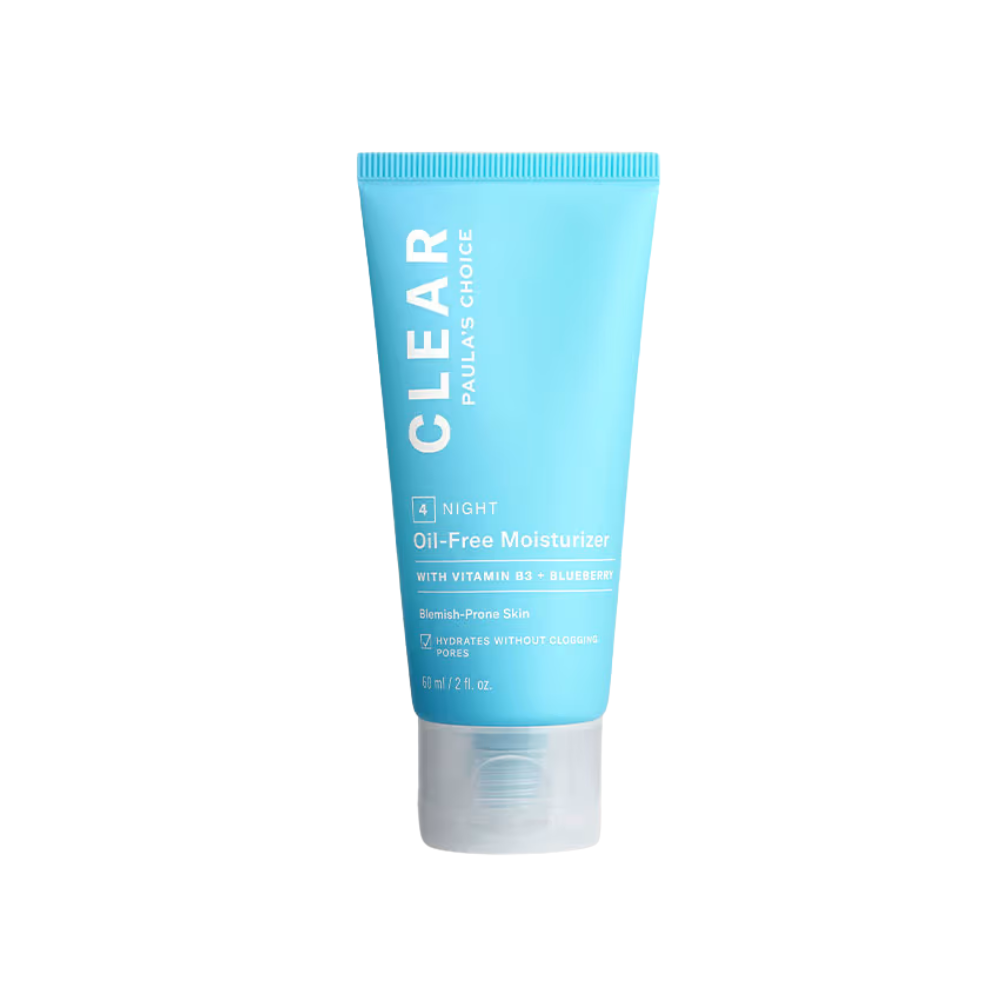
Paula’s Choice CLEAR Oil-Free Moisturizer
Quick Look
- Oily and acne-prone skin
- Oil-free and lightweight
- Niacinamide for oil and redness
- Fragrance-free
The unglamorous hero. A routine with two actives lives or dies on your moisturizer, and this one is built for acne-prone skin, so it hydrates without the heaviness that starts a fresh crop of breakouts.
💜 What I love:
It is properly hydrating without ever feeling heavy, which is the combination oily skin almost never gets.
🧬 Worth knowing:
A little goes further than it looks, so start with one pump. On sandwich nights you will use a touch more, and it still sinks in without any heaviness.
Slow Is the Whole Secret
If you take one thing from my experience, make it this: the combination is not the clever part. Going slowly enough that your skin never has a reason to rebel is, and so is skipping a night when it asks.
Give it three months. Alternate your nights, moisturize like it is a rule rather than a suggestion, and ease off in the week before your period. That is the whole method, and it is the closest thing to a reliable answer I have found for skin that is breaking out and aging at the same time.
Azelaic Acid and Retinol FAQ
Can I use azelaic acid and retinol at the same time?
You can, but alternating nights is gentler and easier to troubleshoot. If you do layer them, apply the thinner product first.
Can I use azelaic acid every day if I use retinol twice a week?
You can, but I do not. Three or four nights of azelaic acid alongside two or three of retinol leaves your skin a rest night, and that is what keeps it from drying out.
How long until I see results?
Redness settles within a few weeks. Texture and dark marks take two to three months, so judge it then rather than at week two.
Can I use azelaic acid and retinol while pregnant?
Azelaic acid is often considered acceptable in pregnancy, but retinol is not. Speak to your doctor before changing anything.