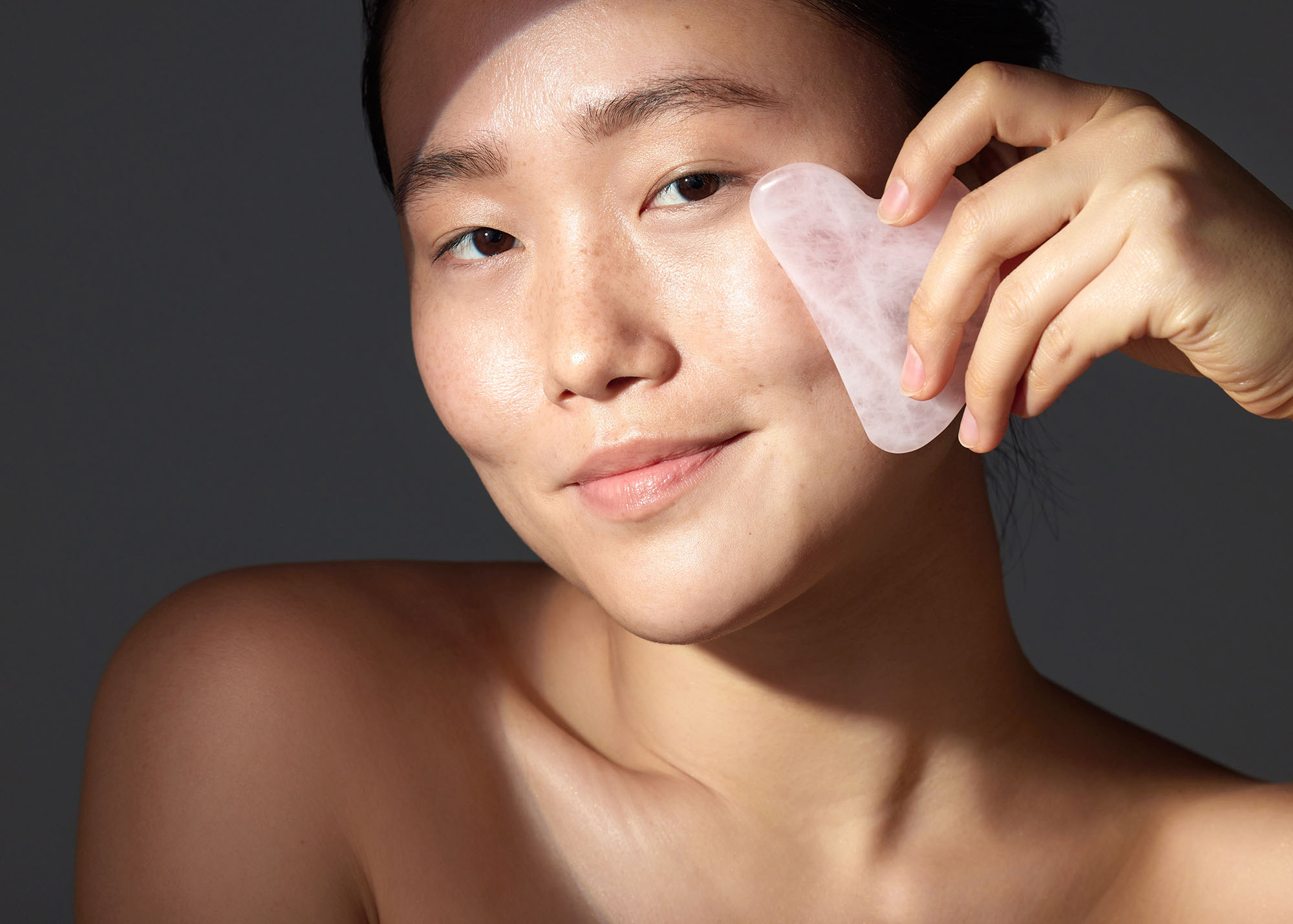
Do gua sha and face yoga actually work for sagging skin? Both give you something real in the moment, but neither is proven to permanently lift or firm your skin. That does not mean they are worthless, it means they are doing something different than most people think.
Key Takeaways
- Gua sha has a 2,000 year history in Chinese medicine, but no proof it permanently firms skin.
- A 2018 study found face yoga gave women fuller, younger-looking cheeks after 20 weeks.
- Even a clean gua sha tool can spread bacteria if used on active breakouts.
- SPF and proven actives still do more for long-term firmness than either tool.
Does Gua Sha Actually Work for Sagging Skin?
Gua sha is not a modern beauty trend borrowed out of context. It comes from traditional Chinese medicine, with a history stretching back roughly 2,000 years. Practitioners used it to release blocked qi, or energy. This was believed to show up in the body as tightness, tenderness, or swelling.
That traditional use still shapes how it is practiced today. Acupuncturists still use gua sha today for real reasons, like easing headaches and jaw tension. On the cosmetic side, dragging a smooth tool across your skin genuinely boosts blood flow and helps drain built-up fluid. That can reduce morning puffiness and give your face a tighter, more radiant look. The effect usually lasts a few hours.
But there is no solid research showing gua sha creates permanent changes to facial structure, collagen production, or skin tightness. The tightening you see in the mirror right after a session is real. But it comes from fluid shifts, not from rebuilding the collagen and elastin that hold skin firm long term.
👁️ Skin Insight
The slow, calming ritual of gua sha is not just relaxing, it is doing your skin a favor too. Stress raises cortisol, and cortisol is one of the biggest triggers behind hormonal breakouts.
Is Gua Sha Safe for Hormonal Acne or Oily Skin?
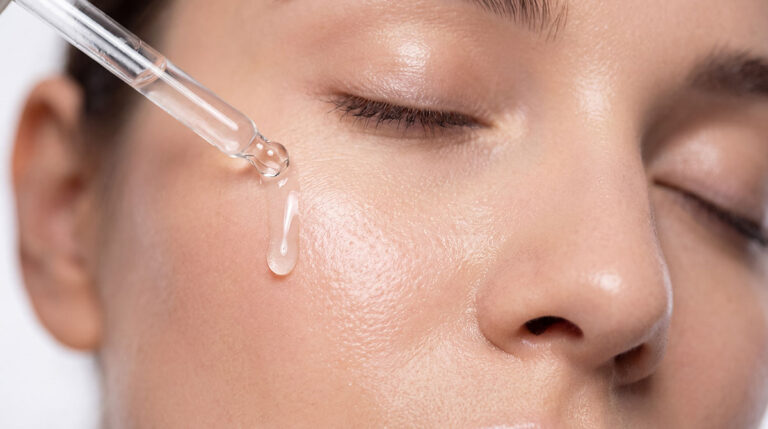
Yes, with a few adjustments. Gua sha involves a tool pressed against your skin with oil for glide. That raises real questions if you deal with breakouts.
Cleaning your tool helps, but it is not the whole story. The oil you use matters just as much. Reach for something labeled non-comedogenic. The wrong oil can clog pores on its own, no matter how clean your tool is. Cleanse your face afterward too, so the oil is not sitting on your skin all day.
Pressure and placement matter too. Dragging a tool directly over an active, inflamed breakout can spread bacteria. It can irritate it further, even with a spotless tool. The safer approach is light pressure. Skip any active blemishes entirely and glide around them instead of over them. Everywhere else on your face, gua sha is generally fine for oily, acne-prone skin.
Does Face Yoga Really Firm Sagging Skin?

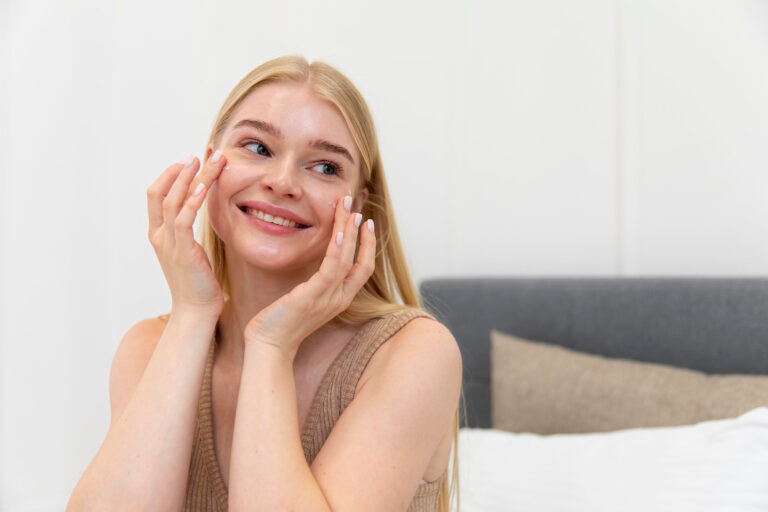
The theory behind face yoga is not far-fetched. Your facial muscles sit right under your skin and fat pads. The idea is that exercising them, like any other muscle, can rebuild volume and firmness lost with age.
There is actually a small study behind this one. A 2018 JAMA Dermatology study followed women between 40 and 65. They did facial exercises daily or every other day for 20 weeks. Their cheeks looked measurably fuller, and they appeared younger in before-and-after photos. It is a small study, but it is a real, published, positive result, not just anecdote.
But getting a result like that takes real commitment. Think daily or near-daily practice for months, not a five-minute video once a week. One dermatologist also cautioned that overdoing certain repetitive expressions could deepen lines like crow’s feet or forehead wrinkles. How you do it matters as much as whether you do it. Face yoga means a lot of hands-on-face contact. Wash your hands first and keep pressure light around any active breakouts. The same logic applies to touching your face at all.
I used to do gua sha myself, but eventually switched over to face yoga instead. There is no tool to clean or oil to buy, just five minutes and my own hands. I will admit, it can feel overwhelming with all the videos out there. My advice is to pick one that feels right for you and stick with it. Once you have learned the movements, staying consistent gets a lot easier.
What Else Actually Helps?
If lasting firmness is the goal, a few things have far more evidence behind them than any tool or exercise. Daily SPF is the single biggest lever, since UV exposure is what breaks down collagen fastest.
Retinoids and peptides both have real research behind them for rebuilding firmness over months, not hours. I go much deeper on the exact ingredients in Peptides in Skincare and Anti-Aging Ingredients for Acne-Prone Skin. Both cover picks that are safe alongside active breakouts.
💡 The Key to Real, Lasting Firmness
It is not one ritual or trick. Daily SPF and proven actives are what actually rebuild collagen over time.
Gua Sha and Face Yoga Are Neither a Gimmick nor a Miracle
Gua sha and face yoga both do something real: better circulation and less puffiness. Face yoga can also bring a small but genuine improvement in fullness. What neither can do is replace the ingredients and habits that actually rebuild collagen.
Truth be told, I struggle to stay consistent with face yoga myself. But I still think of it as a nice addition to the skin, alongside the right products. Use gua sha for its real, immediate perks. Give face yoga the months of consistency it actually needs, even if that is easier said than done. Let SPF and proven actives handle the long game either way.