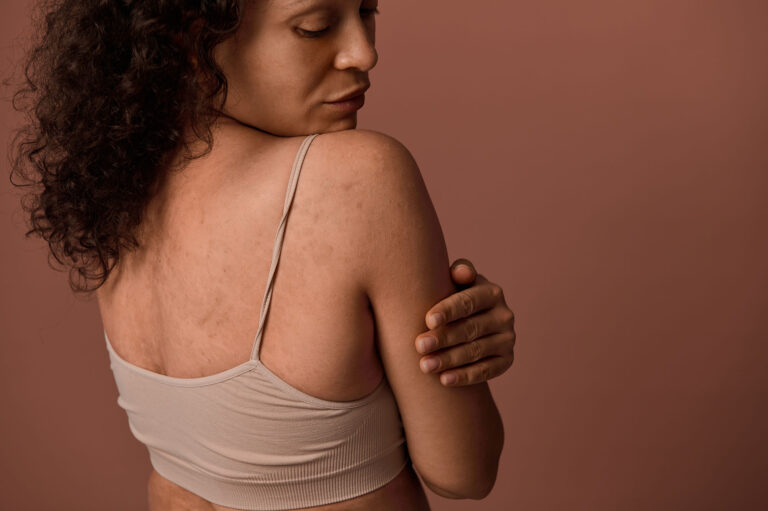
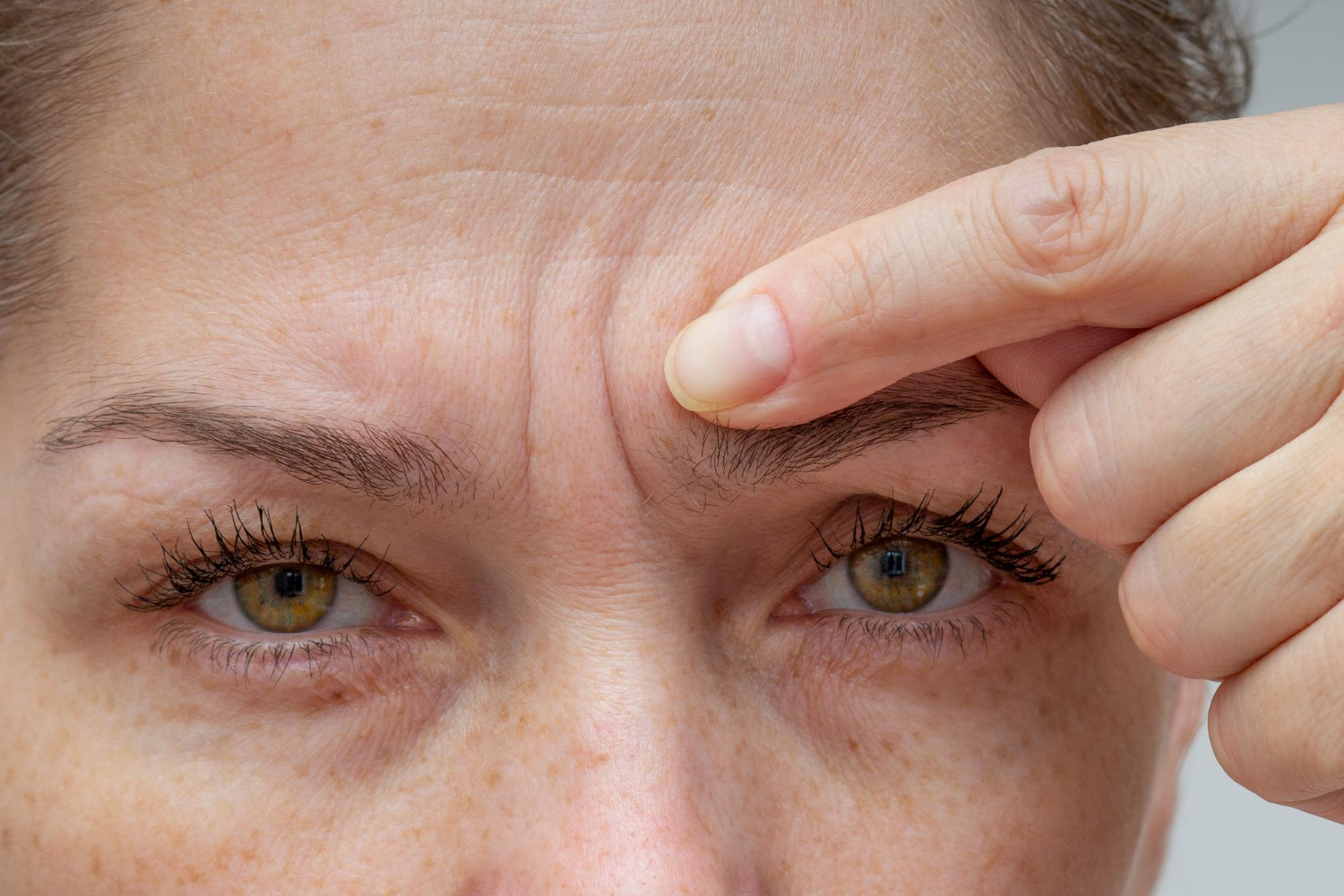
Dealing with acne was one thing. You made peace with it, you found what worked, you got through it. Then one morning you lean into the mirror, spot a fine line that was not there yesterday, and notice it is sitting directly above a fresh breakout. You have got to be kidding me.
Welcome to one of the most confusing moments in skincare: too young for the wrinkles, too old for the breakouts, and somehow dealing with both before your morning coffee. Every product seems built for teenagers or for your mum, nothing seems made for you, and the harder you try to fix one thing the worse the other seems to get.
Here is the good news. There is a real reason this is happening, it is more common than anyone tells you, and once you understand it, it becomes genuinely manageable. Let’s break it down.
Why You Get Acne and Wrinkles at the Same Time
Here is the short version: your hormones are shifting, and your skin is caught in the middle.
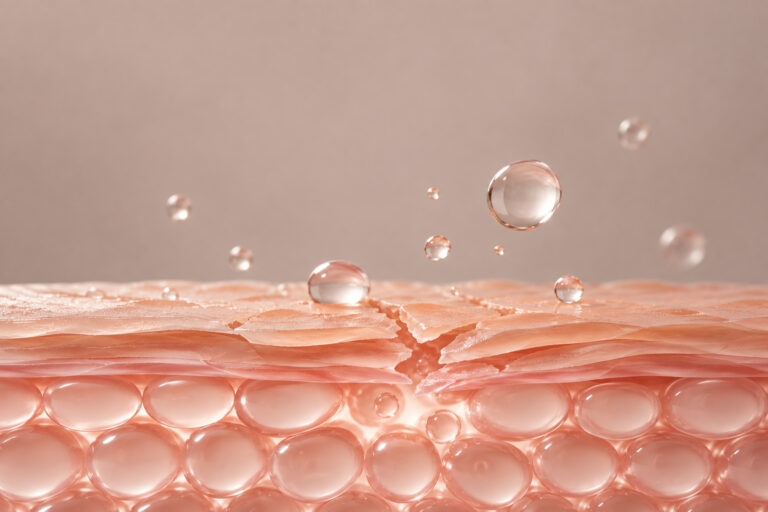
In your 30s, estrogen levels gradually begin to decline. Estrogen is the hormone that keeps your skin firm, hydrated and calm, so as it drops, your skin starts losing collagen and struggles to hold onto moisture. That is where the fine lines and loss of bounce come from.
At the same time, as estrogen falls, the relative influence of androgens (often called male hormones, though everyone has them) goes up. Androgens stimulate your oil glands. More oil, combined with the slower skin cell turnover that also comes with age, means clogged pores and breakouts. Usually along the jaw, chin and lower face.
So you end up with both at once. Drier, thinner skin showing early lines, and oilier pores triggering breakouts. It sounds contradictory, but it is happening for the exact same reason: the hormonal shift of your 30s.
As dermatologist Dr. Amy Wechsler told Fox News, women in this stage often feel “too young for their wrinkles and too old for their pimples.” You are not imagining it, and you are very much not alone.
👁️ Skin Insight
Acne and aging are not actually opposites. Research has shown that people who had acne tend to develop visible signs of aging more slowly, because the same oil that clogs pores also helps keep skin hydrated and protected over time. So while it does not feel like it right now, your acne-prone skin has a quiet long-term advantage.
Why It Feels Impossible to Treat Both
This is the part nobody explains properly, and it is the reason so many women feel stuck.
The problem is that treating one tends to make the other worse.
Go in hard on your acne with strong, drying products and you strip your skin, which makes fine lines look deeper and your skin more irritated. Reach for rich anti-aging creams to plump those lines and you clog your pores and trigger fresh breakouts. It becomes a frustrating loop where every fix creates a new problem.
The way out is not to fight harder on either side. It is to stop treating them as two separate battles and start working with ingredients and habits that support both at once. That shift in approach changes everything.
What to Stop Using
Before adding anything new, this is the part most people skip. Sometimes the fastest way to better skin is simply removing what is working against you.
Harsh, foaming acne cleansers
The stripping cleansers that worked in your teens are too aggressive now. They damage your barrier, which worsens both dryness and breakouts. Swap for a gentle, hydrating cleanser.
Heavy, rich anti-aging creams
Thick creams designed for dry, mature skin will clog acne-prone pores fast. You can absolutely use anti-aging ingredients, just not in heavy, occlusive formulas.
Anything with added fragrance
Fragrance inflames skin that is already reactive, making both redness and breakouts worse. For this skin type, fragrance-free is non-negotiable.
Over-exfoliation
Scrubbing daily or layering multiple acids feels productive but wrecks your barrier. Twice a week is plenty. More than that and you trigger the exact irritation you are trying to avoid.
Drying spot treatments on every blemish
Harsh benzoyl peroxide or alcohol-based spot treatments dry out the surrounding skin and emphasise fine lines. Use them sparingly and only where you truly need them.
What Actually Works for Both at Once
Here is the good news. Some of the best anti-aging ingredients also happen to fight acne. The trick is choosing the ones that do double duty and introducing them gently.
Retinol
The single best ingredient for this situation. Retinol speeds up cell turnover, which clears pores AND boosts collagen to soften fine lines. Start two nights a week and build up slowly. If your skin finds it too much, retinal or a gentler retinoid may suit better.
Niacinamide
A genuine multitasker. It controls oil, calms redness, fades post-acne marks and supports the barrier, all without irritation. One of the few ingredients that helps every part of this puzzle at once. Here is how niacinamide works on hormonal acne.
Peptides
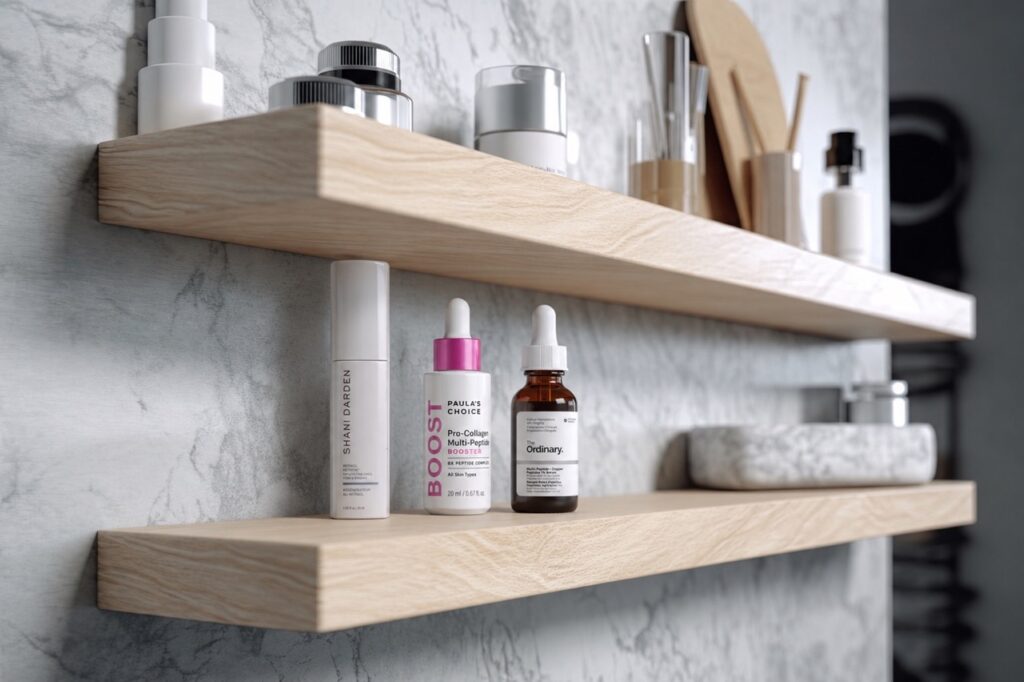
They signal your skin to build collagen without the irritation of stronger actives, which makes them ideal when your skin is already dealing with breakouts. More on peptides and what they do here.
Azelaic acid
Quietly brilliant for this skin type. It clears breakouts, calms redness and fades dark marks, all while being gentle enough for reactive skin. Read more about azelaic acid for hormonal acne.
A lightweight, non-comedogenic moisturizer
This is the step that quietly makes everything else work better. When your skin is properly hydrated, it stops overproducing oil to compensate, which means fewer breakouts over time. And plump, well-hydrated skin naturally makes fine lines far less visible. One simple step, working both problems at once.
Daily SPF
The most powerful anti-aging step there is, full stop. It prevents collagen breakdown and stops post-acne marks from darkening. Never skip it.
🧠 WORTH KNOWING
You do not need a ten-step routine to treat both acne and wrinkles. In fact, a shorter routine usually works better. A gentle cleanser, one or two targeted actives, a light moisturizer and SPF will outperform a cabinet full of products fighting each other. Simplicity is the strategy, not the compromise.
Habits Worth Changing
Products are only half of it. A few small shifts make a real difference at this stage.
Introduce one product at a time
When your skin is reactive, adding several new things at once makes it impossible to know what helped and what hurt. Go slow and give each new product a few weeks.
Think barrier first
Almost every problem at this stage traces back to a damaged skin barrier. Protect it, and both your acne and your fine lines improve. A calm, hydrated barrier is the foundation everything else builds on.
Be patient with results
Skin changes take time. Most ingredients need eight to twelve weeks to show their full effect. Switching products every two weeks is the single biggest reason people feel nothing is working.
Pay attention to the rest of your life
Sleep, stress and what you eat genuinely show up on your skin in your 30s more than they did in your 20s. The connection between your gut, stress and skin is real and worth understanding.
💡 START HERE
If you do just one thing after reading this, simplify. Strip your routine back to a gentle cleanser, one active, a light moisturizer and SPF for two weeks. Let your skin calm down and reset. From that stable base, you can build back up slowly and actually see what your skin needs.
Your Skin Is Not Broken
Getting acne and wrinkles at the same time is not a sign that something is wrong with you or that your routine has failed. It is a normal, predictable response to the hormonal shift of your 30s, and once you understand it, it becomes far easier to manage.
Stop the products working against you. Choose ingredients that pull double duty. Protect your barrier, simplify your routine and give it time. Your skin is not fighting you, it is just asking for a different approach than the one that worked ten years ago.
You have got this. And your skin, breakouts, fine lines and all, is doing far better than you think.
Acne and Wrinkles at the Same Time: Your Questions Answered
Can I use retinol if I have acne and wrinkles?
Yes, and it is one of the best ingredients for exactly this situation. Retinol clears pores and boosts collagen at the same time. Start slowly, two nights a week, and build up as your skin adjusts.
Should I treat acne or wrinkles first?
You do not have to choose. The smartest approach treats both at once using ingredients that do double duty, like retinol, niacinamide and peptides, rather than tackling them separately.
Why am I getting acne and wrinkles at the same time in my 30s?
It comes down to hormones. As estrogen declines, your skin loses collagen and moisture, causing fine lines, while the relative rise in androgens increases oil and breakouts. Both happen for the same underlying reason.
Can anti-aging products cause breakouts?
They can. Rich, heavy creams designed for dry skin often clog acne-prone pores. The fix is not to skip anti-aging ingredients, but to choose lightweight, non-comedogenic, fragrance-free formulas instead.
What ingredients treat both acne and wrinkles?
Retinol, niacinamide, peptides and azelaic acid all support both concerns at once, alongside a lightweight moisturizer and daily SPF.